I’m tired of seeing “budget gurus” tell you that saving money requires clipping physical coupons or spending three hours a day scouring weekly circulars. It’s nonsense. That kind of manual labor isn’t a strategy; it’s a second job, and most of us don’t have the bandwidth for it. If you’re looking for a way to master how to save on groceries without turning your kitchen into a frantic command center, you’re looking in the wrong places. Real efficiency isn’t about deprivation or chasing pennies; it’s about building systems that work while you sleep.
I’m not here to give you a list of generic, half-baked tips you could find in a lifestyle magazine. Instead, I’m going to show you how to apply a bit of operational logic to your pantry. I’ll walk you through the specific, high-utility frameworks I use to automate my food spending and eliminate the decision fatigue that leads to expensive impulse buys. My goal is simple: we are going to strip away the friction and create a repeatable process so you can stop worrying about the receipt and get back to your life.
Table of Contents
Mastering Meal Planning for Beginners Without the Stress
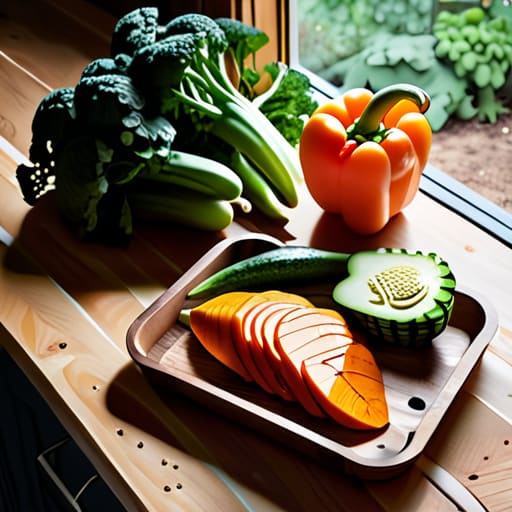
Most people approach meal planning like a high-stakes project management task, and that’s why they quit by Tuesday. They try to plan twenty-one perfect, gourmet meals, realize they don’t have the bandwidth, and end up ordering takeout. That is a failure of the system, not the person. If you want to succeed with meal planning for beginners, you need to stop aiming for perfection and start aiming for predictability. Pick three core proteins and five versatile vegetables. Build your week around those anchors. It’s not about culinary creativity; it’s about reducing the number of decisions you have to make when you’re tired after work.
Once you have a loose framework, start looking at your inventory before you even touch a shopping list. This is the most effective way of reducing food waste, which is essentially just throwing your hard-earned money directly into the trash. I always keep a running list in my pocket notebook of what’s nearing its expiration date. If you know you have half a bag of spinach and some heavy cream, your “plan” for Wednesday just became a pasta dish. By aligning your meals with what you already own, you turn a chaotic chore into a streamlined process that actually saves you time.
Unit Price Comparison the Only Metric That Actually Matters
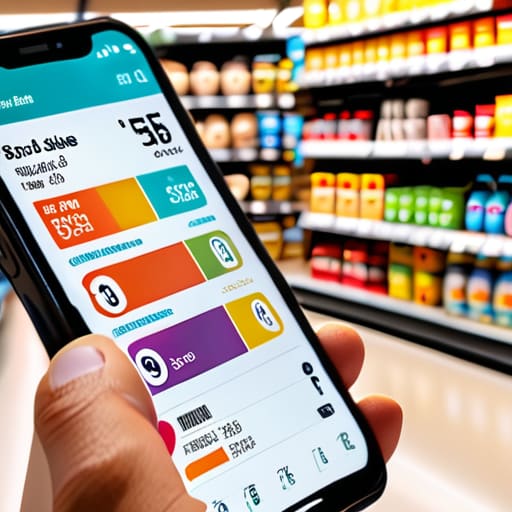
Most people walk into a store and fall for the marketing trap. You see a bright, oversized box of cereal or a “Value Pack” of chicken breasts and assume you’re getting a deal. You aren’t. Retailers are masters of psychological pricing, designed to make you feel like you’re winning while they quietly erode your margins. To stop the bleed, you need to stop looking at the total price on the sticker and start looking at the unit price.
I always tell my clients to treat their grocery run like an operations audit. Whether it’s price per ounce, per gram, or per sheet, that tiny number on the shelf tag is the only metric that provides the truth. It’s the most efficient way to navigate bulk buying benefits without actually overspending. Sometimes, the larger container is actually more expensive per unit than the standard size—a classic case of “convenience tax.”
If you want to automate your savings, make this a non-negotiable habit. When you compare the math instead of the packaging, you eliminate the guesswork. It’s a small mental shift, but it’s one of the highest-leverage moves you can make for reducing food waste and keeping your budget predictable. Stop guessing and start measuring.
High-Utility Tactics to Stop the Bleeding
- Audit your pantry before you leave the house. Most people buy duplicates of things they already own because they haven’t bothered to look behind the pasta sauce. A five-minute inventory prevents wasted capital and unnecessary clutter.
- Stick to the perimeter of the store. The middle aisles are a graveyard of high-margin, processed junk designed to hijack your impulse control. If it doesn’t come from the ground or an animal, it’s likely driving your bill up without adding real nutritional value.
- Leverage frozen produce for your staples. Fresh berries and spinach go bad the second you look away. Frozen versions are flash-frozen at peak ripeness, cost significantly less, and eliminate the “waste tax” of throwing wilted produce in the trash.
- Stop buying pre-cut or pre-packaged convenience items. You are paying a massive premium for someone else to do thirty seconds of labor. Buy the whole head of lettuce and the block of cheese; the ten minutes you spend prepping is a small price to pay for the savings.
- Use a digital list with strict constraints. If it’s not on the list, it doesn’t go in the cart. I keep a running note on my phone to avoid the “emergency” grocery run, which is usually just an excuse to wander the aisles and spend money you hadn’t planned on.
## The Philosophy of Frictionless Spending
“Saving money on groceries isn’t about hunting for coupons or obsessing over every cent; it’s about building a system that prevents impulse buys from happening in the first place. If you control the process, you control the cost.”
Marcus Holloway
Cutting the Friction
At the end of the day, saving money on groceries isn’t about deprivation or spending hours scouring flyers for a nickel’s worth of savings. It’s about building a repeatable system. We’ve covered how to master meal planning to stop the impulse buys, and why the unit price is the only metric that actually matters when you’re standing in that aisle. When you combine these two habits, you aren’t just saving money; you are eliminating decision fatigue. You stop wandering the aisles aimlessly and start executing a plan. That is the difference between being a passive consumer and an active manager of your own resources.
I know it feels like one more thing on an already overflowing plate, but I promise you, the upfront effort pays dividends in mental bandwidth. Once these systems are in place, they become second nature—much like the muscle memory required to tune an old analog synth. You’ll find that you aren’t just seeing more numbers stay in your bank account; you’re gaining back the time you used to waste on grocery store stress. Stop letting the mundane complexities of food shopping drain your energy. Build the system, automate the habit, and get back to the things that actually deserve your attention.
Frequently Asked Questions
How do I manage a grocery budget if my income fluctuates from month to month?
When your income is a moving target, stop trying to hit a fixed number. Instead, build a tiered system. Identify your “survival baseline”—the bare minimum for nutrition—and use that as your floor. In high-earning months, don’t splurge on luxury aisles; use the surplus to buy staples in bulk or stock your freezer. In lean months, you simply drop to the baseline. It’s about managing the average, not the month.
Is it actually worth the time to meal prep, or am I just trading one kind of stress for another?
It’s a fair question. If you’re spending six hours every Sunday hunched over a cutting board, you aren’t saving time—you’re just shifting the labor. That’s not a system; that’s a second job. Real meal prepping isn’t about gourmet containers; it’s about component cooking. Prep the proteins and grains, then assemble on the fly. Aim for high-utility prep that reduces daily decision fatigue without turning your weekend into a kitchen marathon.
Which grocery delivery services are actually cost-effective versus those that just add convenience fees?
Most delivery services are just convenience traps designed to bleed your margins. If you’re using Instacart or DoorDash, you’re paying a premium for someone else’s time—and you’re likely getting marked-up item prices. To make this cost-effective, stick to store-specific apps like Walmart+ or Kroger. They offer more predictable pricing and lower service fees. Use delivery to automate the heavy lifting, but only if you’re buying in bulk to offset those unavoidable fees.
How do I keep my pantry stocked with essentials without overbuying and letting things expire?
Stop treating your pantry like a warehouse. You don’t need a surplus; you need a system. Start with a “low-stock trigger” list: when you open your last box of pasta or jar of oats, it goes straight into your notebook. I also recommend a “First In, First Out” rotation—move older cans to the front. It’s basic inventory management, but it stops the cycle of buying duplicates and throwing money in the trash.