Most “expert” advice on how to shop smarter is nothing more than a collection of marketing gimmicks designed to keep you clicking and spending. They want you to download five different coupon apps, join three more loyalty programs, and spend your Saturday mornings hunting for obscure clearance aisles. It’s exhausting, and frankly, it’s a massive waste of mental bandwidth. I spent two decades in corporate operations, and if there is one thing I learned, it’s that complexity is usually just a mask for inefficiency. You shouldn’t need a PhD in consumer psychology just to buy a decent pair of boots or a week’s worth of groceries without feeling like you’ve been played.
I’m not here to sell you on a new lifestyle hack or a complicated spreadsheet. My goal is to give you a frictionless system built on logic and automation, not impulse and clutter. I’m going to show you how to strip away the decision fatigue and build a repeatable process that saves your money and your time. We’re going to cut the fluff and focus on the utility, turning your shopping from a chaotic chore into a streamlined operation.
Table of Contents
Automating Your Budgeting for Groceries
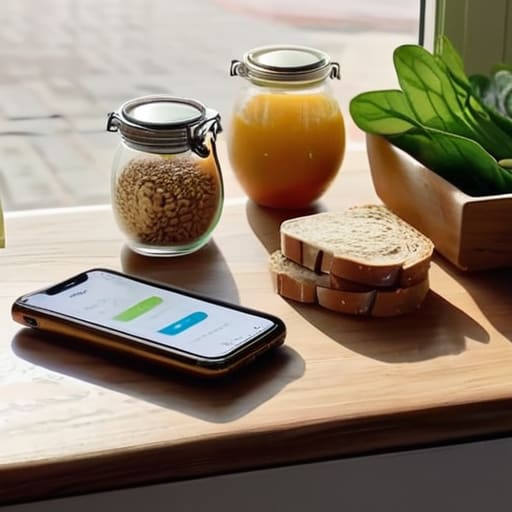
Most people treat grocery shopping like a weekly scavenger hunt, wandering aimlessly through aisles and hoping they don’t blow their limit. That’s a recipe for decision fatigue. To stop the leak in your bank account, you need to move away from “shopping” and toward a system. I start by building a recurring digital list based on my staples—the things I actually eat, not the things that look good in a commercial. By setting a fixed amount for budgeting for groceries at the start of the month, you turn a vague expense into a controlled variable.
Once the list is set, the goal is to eliminate the friction of choice. I use a simple rule: if it isn’t on the list, it doesn’t enter the cart. This is the most effective way of avoiding impulse buys that pad the total without adding real value to your pantry. I also make it a habit to check the unit price on the shelf tag rather than the flashy “sale” sticker. Often, the larger bulk option is a trap, while the smaller item actually offers better value per ounce. It’s a small mental shift, but it’s the difference between guessing your way through a budget and actually mastering it.
Mastering Comparison Shopping Techniques
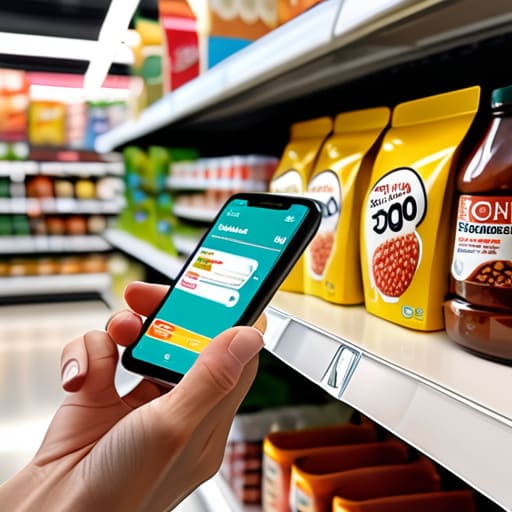
Most people approach comparison shopping like a scavenger hunt, wandering aimlessly through aisles hoping to stumble upon a deal. That’s a massive waste of mental bandwidth. If you want to actually win, you need to treat it like an operations problem. The most effective comparison shopping techniques don’t involve scanning every single shelf; they involve knowing exactly what you’re looking for before you even walk through the door. I always tell my clients to stop looking at the sticker price and start looking at the unit price. That small number on the shelf tag—the cost per ounce or per gram—is the only metric that matters. It’s the only way to see through the marketing smoke and mirrors used to make oversized packaging look like a bargain.
Beyond the math, you need a strategy for timing. I’ve found that integrating seasonal shopping strategies into your routine is the easiest way to lower your baseline costs without constantly hunting for scraps. When produce is in season, it’s cheaper and better; when it isn’t, you’re paying a premium for logistics. Don’t fight the cycle—lean into it. By aligning your staples with the natural rhythm of the market, you remove the friction of decision fatigue and ensure you aren’t overpaying for mediocrity.
Five Ways to Stop Overthinking Your Purchases
- Build a “Uniform” Shopping List. Stop reinventing the wheel every Sunday. Identify the ten staples your household actually consumes and create a recurring digital list. When you stop deciding what to buy from scratch, you eliminate the decision fatigue that leads to impulse spending.
- The 48-Hour Rule for Non-Essentials. If it isn’t food or a household necessity, it doesn’t go in the cart immediately. Put it in your digital basket and walk away. If you still feel the need for it after two days, then you can consider it. Most of the time, the impulse fades, and so does the unnecessary expense.
- Audit Your Subscriptions Like a Pro. We often “shop” via recurring payments without realizing it. Once a quarter, go through your bank statement with my favorite fountain pen and circle every recurring charge. If you haven’t used the service in the last thirty days, kill it. It’s low-hanging fruit for reclaiming your cash flow.
- Shop the Perimeter and the Bulk Aisles. Most processed, high-margin junk lives in the center aisles of the grocery store. Stick to the edges for fresh goods and use bulk bins for dry staples like grains or nuts. It’s more efficient, better for your health, and significantly cheaper per unit.
- Leverage Price Tracking Tools. Don’t guess if a “sale” is actually a good deal. Use browser extensions or price tracking sites to see the historical cost of an item. If the “discount” is just the standard retail price, ignore it. Don’t let marketing tactics dictate your spending.
The Real Cost of Decision Fatigue
Smart shopping isn’t about hunting for every single cent; it’s about building systems that stop you from making expensive, impulsive decisions when your willpower is low.
Marcus Holloway
The Bottom Line

At the end of the day, shopping smarter isn’t about obsessing over every single cent or spending your entire Sunday clipping coupons. It’s about building a system that works so you don’t have to. We’ve covered how to automate your grocery budget to remove the guesswork, and how to use disciplined comparison techniques to stop overpaying for the basics. When you combine these tactics, you aren’t just saving money; you are reclaiming your mental bandwidth. You are turning a chaotic, high-friction chore into a streamlined process that runs in the background of your life.
My advice is simple: don’t try to overhaul your entire lifestyle overnight. Pick one area—maybe it’s your grocery list or your online subscription audit—and get it under control first. Once that friction is gone, move to the next. The goal isn’t to become a professional shopper; the goal is to automate the mundane so you can get back to the things that actually matter. Life is far too short to spend it fighting with your bank statement or wandering aimlessly through aisles. Get your systems in place, cut the fluff, and go live your life.
Frequently Asked Questions
How do I handle unexpected price spikes in my automated grocery list without breaking my budget?
When the price of eggs or olive oil suddenly jumps, don’t abandon the system; adjust the variables. I keep a “substitution list” in my notebook for every core staple. If the price spikes, you swap the brand or the ingredient entirely. If the spike is across the board, you trim the non-essentials for that week. The goal isn’t to hunt for deals every single time—it’s to have a pre-planned pivot so you don’t have to think.
Is it worth the time investment to use price-comparison tools for small, everyday items?
If you’re spending twenty minutes hunting for a fifty-cent saving on a box of pasta, you’re losing. That’s a bad trade. Your time is your most finite resource; don’t bankrupt it for pennies. Use comparison tools for high-ticket items or recurring bulk orders where the delta actually matters. For the small stuff? Pick a reliable retailer, automate the reorder, and move on. Stop optimizing for cents and start optimizing for bandwidth.
How can I keep my shopping habits consistent when I'm traveling or away from my routine?
Travel is the ultimate friction point for any system. When you’re out of your routine, your discipline usually takes a hit. My rule is simple: don’t try to replicate your home life; just replicate your constraints. Stick to a pre-set “travel budget” in a separate digital wallet to prevent leakage. If you can’t control the environment, control the access. Keep your decision-making minimal by choosing a few reliable, healthy options in advance. Don’t overthink it.
At what point does "optimizing" my shopping start to become a waste of my actual time?
If you’re spending forty minutes hunting for a coupon to save fifty cents, you’ve lost the plot. That’s not optimization; it’s a bad trade. I look at it through the lens of opportunity cost. Your time has a fixed value. If the effort required to shave a few dollars off a purchase exceeds the mental bandwidth it costs you, stop. Automate the routine, accept the standard price for the mundane, and save your energy for things that actually move the needle.