I remember sitting in a glass-walled conference room a decade ago, staring at a spreadsheet so complex it looked like a piece of modern art. My boss was preaching about “granular fiscal optimization,” but all I felt was a mounting sense of dread. Most financial gurus will tell you that learning how to build a starter budget requires expensive software, complex categories, and hours of weekly data entry. They want to sell you a system that is just as exhausting as the problem it’s supposed to solve. Personally, I think that’s complete nonsense. If a system requires a PhD and a dedicated workstation to manage your grocery money, it’s not a tool—it’s a second job.
I’m not here to sell you on a lifestyle of deprivation or a complicated math project. My goal is to show you how to strip away the noise and build a framework that actually works with your life, not against it. I’m going to walk you through a method to automate the mundane so you can stop wondering where your paycheck went and start making it work for you. We’re going to keep this simple, structured, and functional. Let’s get to work.
Table of Contents
Mastering Monthly Expense Tracking Without the Headache

Most people fail at money because they treat expense tracking like a second job. They try to log every single coffee purchase in a complex spreadsheet, burn out after three days, and then abandon the whole idea. That’s unnecessary friction. If you want to succeed at monthly expense tracking, you need to stop obsessing over the pennies and start looking at the patterns. I’ve found that the most sustainable way to approach this is to categorize your spending into broad buckets rather than granular line items.
If you’re feeling overwhelmed, don’t reinvent the wheel. Use a framework like the 50/30/20 budgeting rule to give your money immediate structure: 50% for needs, 30% for wants, and 20% for savings or debt repayment. This isn’t about restriction; it’s about setting boundaries so your brain can stop running the math in the background. Once those guardrails are in place, you aren’t constantly questioning every transaction. You’re simply checking to see if you’re still within the lines. It’s much easier to manage your life when you aren’t fighting your own data every single night.
The Zero Based Budgeting Method for Total Control
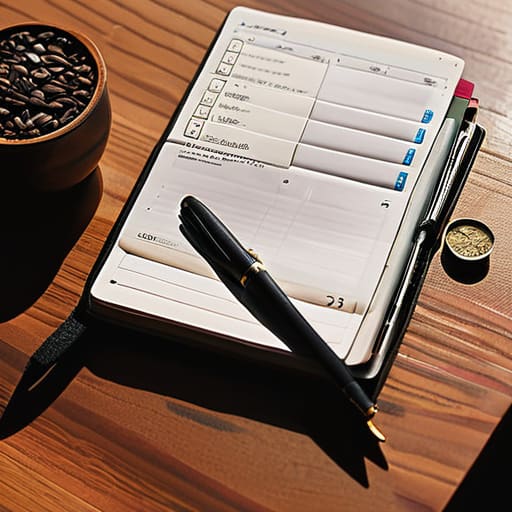
If you’re tired of seeing money vanish from your account without knowing where it went, you need to move past passive observation and start being intentional. This is where the zero-based budgeting method comes in. The concept is deceptively simple: every single dollar you earn gets assigned a specific job before the month even begins. If you bring home $4,000, your expenses, savings, and debt payments must total exactly $4,000. You aren’t just “tracking” what happened; you are commanding your capital to work for you.
I know what you’re thinking—this sounds like a lot of math. It isn’t. You aren’t trying to balance a complex ledger; you’re just ensuring that no dollar is left “homeless.” While some people swear by the 50/30/20 budgeting rule to keep things broad, zero-based budgeting is for those who want to eliminate the guesswork entirely. By giving every cent a destination—whether that’s your rent, your grocery fund, or that vintage synth part you’ve been eyeing—you remove the mental friction of deciding if you can afford something mid-month. It turns your finances from a source of anxiety into a structured system that runs on autopilot.
Five Ways to Strip the Friction Out of Your Finances
- Automate your savings first. Don’t wait until the end of the month to see what’s left over—that’s a recipe for failure. Set up a recurring transfer to your savings account the day your paycheck hits. If you don’t see it, you won’t miss it.
- Categorize by necessity, not granularity. You don’t need twenty different buckets for every type of snack or coffee. Group things into broad strokes: Fixed Costs (rent, utilities), Variable Essentials (groceries, transport), and Lifestyle (everything else). Keep it simple so you actually stick to it.
- Build in a “buffer” for the unexpected. Life isn’t a spreadsheet. Something will break, a car will need a repair, or a subscription you forgot about will renew. Give yourself a small, dedicated “oops” fund within your monthly budget to prevent a single hiccup from derailing your entire plan.
- Use tools that do the heavy lifting. If you enjoy manual entry, fine—but for most people, manual tracking is where the discipline dies. Use an app or a bank tool that categorizes your transactions automatically. The goal is to spend your time reviewing your progress, not performing data entry.
- Review, don’t obsess. You don’t need to check your balances every hour. Set aside fifteen minutes once a week—maybe Sunday morning with a coffee—to look over your numbers. This keeps you aware without turning your financial life into a source of constant anxiety.
## The Philosophy of the Frictionless Budget
“A budget isn’t a cage designed to restrict your freedom; it’s a blueprint designed to protect your time. Stop treating it like a math problem to be solved and start treating it like an automated system that buys you back your peace of mind.”
Marcus Holloway
Cutting the Cord on Financial Stress

We’ve covered a lot of ground, from the granular details of tracking every dollar to the high-level strategy of zero-based budgeting. The goal here wasn’t to turn you into an amateur accountant, but to help you build a system that actually works. By tracking your expenses without the usual headache and assigning every cent a specific job, you’ve effectively removed the guesswork from your monthly survival. You aren’t just managing numbers on a spreadsheet; you are building a framework that automates your financial decisions so they don’t require your constant mental energy.
Look, I know setting this up feels like just another chore on an already overflowing plate. But remember why we do this: we automate the mundane so we can reclaim our lives. A budget isn’t a cage; it’s a tool that gives you the permission to spend without guilt and the clarity to save without anxiety. Stop treating your finances like a mystery to be solved and start treating them like an operation to be optimized. Get the system running, let it do the heavy lifting, and then get back to the things that actually make life worth living.
Frequently Asked Questions
What happens if my actual expenses don't match my budget halfway through the month?
Don’t panic. This isn’t a failure; it’s just data. When the numbers drift, stop trying to force the old plan to work. Grab your notebook, look at where the leak is, and reallocate. If you overspent on groceries, take it out of your “fun money” or dining out category. A budget is a living document, not a stone tablet. Adjust the remaining categories to match reality, and keep moving.
Should I be tracking every single coffee purchase, or is that overkill?
Look, if you’re spending three hours a week logging every espresso shot, you’ve already lost the battle. That’s not productivity; it’s micromanagement. I’m a fan of the 80/20 rule: 80% of your results come from 20% of your habits. Track your big wins—rent, utilities, groceries—and group the small stuff into a “discretionary” bucket. If that bucket runs dry, you stop buying coffee. Otherwise, stop sweating the cents and focus on the big picture.
How much should I actually be setting aside for "unexpected" costs versus long-term savings?
Think of it like a buffer versus a destination. For “unexpected” costs—the leaky faucet or the sudden car repair—aim for a starter emergency fund of one month’s expenses. Once that’s solid, shift your focus to long-term savings. I generally suggest a 70/30 split: 70% toward your long-term goals and 30% toward that liquid safety net. Don’t let the pursuit of retirement leave you one flat tire away from a crisis.
Is it better to use a dedicated budgeting app or just stick to a simple spreadsheet?
It depends on how much friction you can tolerate. If you want hands-off automation, go with an app; they pull data from your bank so you don’t have to manually enter every coffee purchase. But if you find yourself blindly trusting “magic” numbers, use a spreadsheet. A spreadsheet forces you to actually look at your spending. Personally? I prefer the spreadsheet. It keeps me engaged without the subscription fee or the data privacy headache.