I spent years watching people in the corporate world drown in “productivity hacks,” buying $50 planners and downloading every habit-tracking app on the market, only to end up more exhausted than when they started. It’s a joke. Most of this advice treats building good habits like a massive, heroic undertaking that requires superhuman willpower, but that’s exactly why most of it fails by Tuesday. You don’t need more discipline; you need less friction. If your system requires you to be a saint every single morning, your system is broken.
I’m not here to sell you on a lifestyle overhaul or some magical morning routine that requires waking up at 4:00 AM. My approach is much more boring—and much more effective. I’m going to show you how to strip away the fluff and use simple, structural changes to make your desired behaviors the path of least resistance. We’re going to focus on automation and small, tactical adjustments that protect your mental bandwidth. Let’s stop fighting ourselves and start building systems that actually work.
Table of Contents
Decoding the Behavioral Psychology of Habits
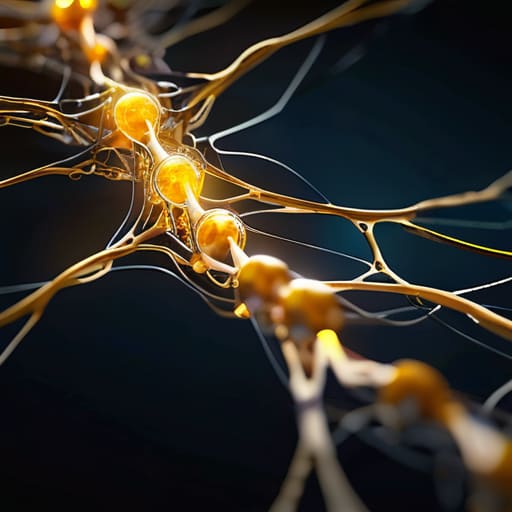
To understand why you keep falling off the wagon, you have to stop looking at willpower as a finite resource and start looking at your brain as a machine. We aren’t failing because we’re lazy; we’re failing because we’re fighting against the cue-routine-reward loop that’s hardwired into our biology. Every habit you have, from checking your email the second you wake up to grabbing a sugary snack during a mid-afternoon slump, follows this exact three-step cycle. Your brain is essentially looking for the path of least resistance to get a hit of dopamine.
The good news is that we can leverage neuroplasticity and habit change to rewire these circuits. It isn’t about brute-forcing your way through a new routine with sheer grit; that’s a recipe for burnout. Instead, you need to manipulate the environment to make the “good” cue impossible to miss and the “bad” cue difficult to access. If you want to change how you operate, you have to stop treating your brain like an adversary and start treating it like a system that needs better programming. Once you grasp the mechanics of the loop, you stop fighting yourself and start engineering your environment for success.
Leveraging Neuroplasticity and Habit Change for Speed
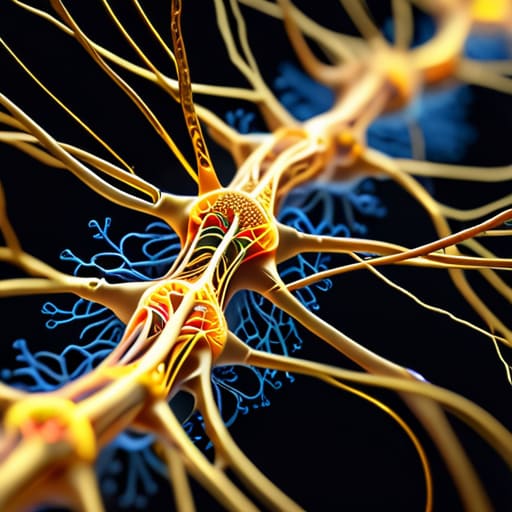
Most people treat habit formation like a test of willpower, as if they can just muscle their way into a new lifestyle. That’s a losing game. If you want actual speed, you have to stop fighting your biology and start working with it. This is where neuroplasticity and habit change come into play. Your brain is essentially a series of high-speed rail lines; the more you travel a specific path, the deeper that groove becomes. To change direction, you aren’t just “trying harder”—you are physically re-wiring the neural pathways that dictate your automatic responses.
The trick to accelerating this process is to minimize the friction between your intention and the action. I’ve found that the most efficient way to do this is through habit stacking techniques. Instead of trying to summon discipline out of thin air, anchor your new behavior to something you already do without thinking. If you want to start a daily review of your finances, do it immediately after your morning coffee. You’re piggybacking on an existing neural circuit, which drastically reduces the cognitive load required to get started. Don’t wait for motivation to strike; build the structure so that action becomes the path of least resistance.
Five Ways to Cut the Friction and Make Habits Stick
- Stop aiming for perfection and start with micro-wins. If you want to start running, don’t commit to a 5k; commit to putting on your shoes. The goal isn’t the workout; it’s the act of showing up without making it a mental battle.
- Use “Habit Stacking” to anchor new behaviors to existing ones. Don’t try to manufacture a new slot in your schedule from scratch. Instead, tell yourself: “After I pour my first cup of coffee, I will write down my three most important tasks for the day.” Attach the new to the old.
- Optimize your environment to remove the “decision tax.” If you want to eat better, prep the vegetables on Sunday so they are the easiest thing to grab. If you want to work more deeply, put your phone in another room. Make the good habits easy and the bad ones a chore.
- Automate the mundane so you don’t have to rely on willpower. Willpower is a finite resource, and mine usually runs out by 4:00 PM. Set up automatic transfers to your savings or recurring grocery deliveries. If a habit requires a constant stream of discipline, it’s designed to fail.
- Audit your progress with a physical tracker. I know, I know—we live in a digital age. But there is something about the tactile sensation of crossing a task off in a notebook that creates a feedback loop your brain actually respects. It turns a vague intention into a visible win.
The Frictionless Life
“Stop treating habits like moral victories and start treating them like systems design. You don’t need more willpower; you need to engineer your environment so that doing the right thing is the path of least resistance.”
Marcus Holloway
The Bottom Line

We’ve covered a lot of ground, from the neurological loops that keep you stuck to the ways you can actually hijack your brain’s biology to work in your favor. The takeaway is simple: stop trying to rely on sheer willpower. Willpower is a finite resource, and frankly, it’s a terrible way to run a life. Instead, focus on understanding the cues that trigger your old patterns and use that knowledge to engineer your environment. By leveraging neuroplasticity and reducing the friction between you and your goals, you aren’t just changing what you do; you are reprogramming your default settings.
At the end of the day, my goal isn’t to turn you into a productivity robot. I want you to build these systems so they eventually run in the background, leaving you with the mental bandwidth to actually enjoy your life. Don’t aim for a perfect transformation by Monday morning. Just pick one small, repeatable action, automate the decision-making process around it, and let the momentum do the heavy lifting. Stop fighting yourself and start building a life that runs on autopilot where it matters most. Now, put the phone down and go get started.
Frequently Asked Questions
How do I actually stay consistent when my schedule gets chaotic or a crisis hits?
When things hit the fan, your “perfect” routine is the first thing to go. Don’t fight it. Instead, use a “Minimum Viable Habit.” If your goal is a 45-minute workout but you’re in crisis mode, do ten pushups. That’s it. The goal isn’t the intensity; it’s maintaining the neurological pathway. Never break the chain, even if the link is tiny. Consistency is about showing up, not performing perfectly under pressure.
At what point does a habit stop being a conscious effort and start becoming automatic?
It happens when the cognitive load drops to near zero. In my consulting work, I call it the “autopilot threshold.” You’ll know you’ve hit it when you can perform the task while simultaneously holding a conversation or planning your next meeting. You aren’t “deciding” to do the thing anymore; you’re just executing a script. Once the neural pathway is paved, the friction vanishes, and the action becomes part of your baseline operating system.
How can I tell if I'm building a truly useful habit or just performing "productive procrastination"?
Ask yourself one question: Does this action move the needle on my actual goals, or am I just tidying my desk to avoid a difficult project? Productive procrastination feels like progress because you’re “doing something,” but it’s usually just a way to dodge friction. A real habit reduces long-term effort; procrastination just creates a temporary sense of order. If it doesn’t simplify your life or solve a core problem, it’s just busywork.
What’s the best way to break a bad habit that’s already deeply wired into my daily routine?
You don’t “break” a deep habit; you outmaneuver it. Trying to rely on willpower is a losing game—it’s a finite resource that fails the moment you’re tired or stressed. Instead, identify the specific trigger—the cue—that starts the loop. Once you find it, you have to disrupt the pattern by substituting the action with something lower friction. Don’t aim for perfection; aim for friction. Make the bad habit harder to do and the new one easier.