I was staring at a bag of wilted, slimy spinach last Tuesday—another twenty dollars down the drain—and I realized I was falling for the same trap as everyone else. We’ve been sold this lie that we need a kitchen full of specialized, high-tech vacuum sealers and expensive, color-coded gadgetry just to keep a head of lettuce alive for more than three days. It’s a massive waste of both money and mental energy. Most people overcomplicate the simple science of how to store food properly, turning a basic survival skill into a cluttered, expensive hobby.
I’m not here to sell you a subscription to a premium container system or a lifestyle blog’s version of “aesthetic” pantry organization. My goal is to give you a frictionless system that actually works in a real, busy kitchen. I’m going to show you the pragmatic, low-maintenance methods I use to stop the rot and reclaim my grocery budget. We’re going to cut through the kitchen clutter and focus on the utility of preservation so you can stop throwing money in the trash.
Table of Contents
Mastering Refrigerator Temperature Settings
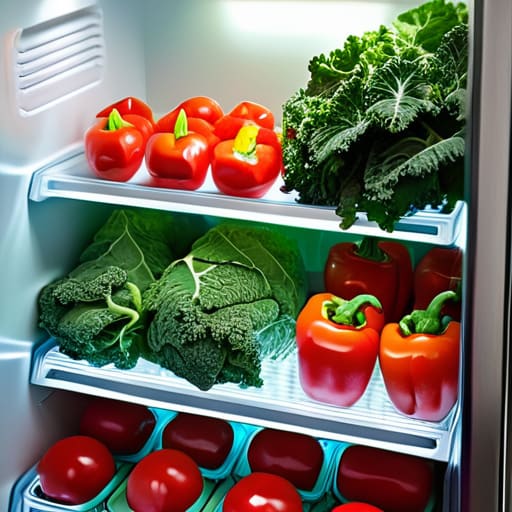
Most people treat their refrigerator like a black box—you shove things in, close the door, and hope for the best. That’s a recipe for wasted money and constant trips to the grocery store. To actually automate your kitchen efficiency, you need to stop guessing and start monitoring. For optimal preventing food spoilage, your fridge needs to sit between 35°F and 38°F (1.6°C to 3.3°C). Anything higher and you’re inviting bacteria to a party; anything lower and you’re turning your produce into an ice block.
I’ve found that relying on the built-in dial is a mistake. Those things are notoriously imprecise. If you want to get serious about the shelf life of perishables, buy a cheap, standalone digital thermometer. Place it in a glass of water in the center of the middle shelf to get an accurate reading of the actual ambient temperature.
Once you’ve dialed in the temperature, keep the door closed. Every time you stand there staring into the light, searching for the mustard, you’re causing a temperature spike that compromises your food. It’s a small friction point, but over time, it’s the difference between a crisp head of lettuce and a slimy mess.
Preventing Food Spoilage Without the Effort
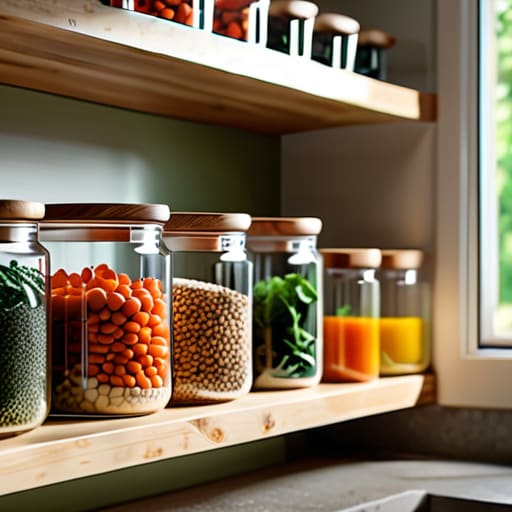
If you’re still relying on the original plastic packaging your groceries came in, you’re essentially asking for waste. Those flimsy wraps and flimsy grocery bags aren’t designed for long-term preservation; they’re designed for shipping. To actually succeed at preventing food spoilage, you need to invest in a uniform set of high-quality glass or BPA-free containers. The airtight container benefits are non-negotiable: they create a controlled environment that halts the oxidation process and keeps moisture where it belongs. It’s a one-time setup that pays for itself in saved grocery bills within a few months.
I also recommend a “First In, First Out” (FIFO) approach for your pantry and fridge. It sounds like corporate jargon, but it’s just basic logistics. When you bring home new supplies, move the older items to the front. This simple habit, combined with some basic pantry organization tips, ensures you aren’t constantly discovering “science experiments” tucked in the back of a dark cupboard. Stop treating your kitchen like a graveyard for forgotten ingredients and start treating it like a streamlined supply chain. Efficiency isn’t about doing more; it’s about reducing the friction of your daily routine.
Five Low-Friction Rules for a More Efficient Kitchen
- Group your perishables by “shelf life” rather than food type. I keep a small bin in the fridge for “eat now” items—things like opened yogurt or half-used veggies—so I don’t have to dig through the crisper drawer to realize something is about to die.
- Invest in glass, not plastic. Plastic containers stain, retain odors, and eventually degrade. Glass is easier to clean, lasts forever, and lets you see exactly what you have at a glance, which stops the “mystery container” syndrome.
- Stop washing your berries right away. Moisture is the enemy of longevity. Keep them dry in the fridge and only wash them right before you actually intend to eat them; it’s a small habit that can add three or four days to their lifespan.
- Use your freezer as a buffer, not a graveyard. If you realize you won’t get to that steak or that bag of spinach by Thursday, move it to the freezer immediately. Don’t wait for the expiration date to pass; automate the decision to save it before it’s too late.
- Master the art of the “First In, First Out” (FIFO) method. It’s a simple logistics principle I used in operations that works perfectly for groceries. When you get home from the store, move the older items to the front and put the new stuff in the back. It takes thirty seconds and prevents unnecessary waste.
The Cost of Chaos
“A disorganized fridge isn’t just a mess; it’s a leak in your budget and a drain on your mental bandwidth. Stop treating food storage like an afterthought and start treating it like an operational system.”
Marcus Holloway
The Bottom Line
At the end of the day, proper food storage isn’t about becoming a gourmet chef or a professional organizer; it’s about eliminating systemic waste. We’ve covered the essentials: dialing in your refrigerator temperature, understanding the nuances of moisture control, and setting up a workflow that prevents spoilage before it starts. When you treat your kitchen like a well-oiled operation rather than a chaotic dumping ground, you stop throwing money into the trash bin every single week. It’s a simple matter of applying a bit of logic to your grocery routine to ensure that what you buy actually ends up on your plate.
My goal isn’t to give you more chores; it’s to help you build a system that works so you don’t have to think about it. Every minute you spend perfecting these small habits is time reclaimed from the cycle of constant grocery runs and mid-week mealtime panic. Once you automate these basic protocols, you free up the mental bandwidth to focus on the things that actually matter—like enjoying a good meal or finally getting around to that hobby you’ve been neglecting. Stop fighting the friction and start building a kitchen that supports your life instead of draining it.
Frequently Asked Questions
How do I know if a food item is actually still safe to eat, or if I'm just being overly cautious?
Look, I get it. The “sniff test” feels unreliable, and the fear of food poisoning is a massive mental drain. Here’s my rule of thumb: trust your senses, but prioritize data. If it smells off, looks slimy, or the packaging is bloated, toss it. Don’t negotiate with mold. If you’re unsure about something that’s past its “best by” date, check the texture and scent. If it’s suspicious, the cost of a replacement is lower than the cost of a sick day.
Is it worth the extra time and money to invest in high-end vacuum sealers and specialized containers?
If you’re running a high-volume kitchen or buying in bulk to save money, a vacuum sealer is a non-negotiable tool for your efficiency stack. It eliminates the guesswork of spoilage and maximizes your ROI on groceries. However, if you’re just meal prepping a few days at a time, don’t overcomplicate it. Good glass containers do the job fine. Invest in the tech only if it actually buys you back time and reduces waste.
What’s the most efficient way to organize my pantry so I don't end up buying duplicates of things I already have?
Stop the duplicate buying cycle with a “First-In, First-Out” (FIFO) system. It’s a simple logistics principle: when you buy new supplies, move the older items to the front. Use clear, uniform containers for staples like flour or pasta; if you can’t see it, you’ll forget it exists. Finally, keep a running list on a magnetic notepad on the pantry door. Check it before you hit the store. Don’t guess. Just track.
Which specific fruits and vegetables should never be stored near each other to prevent premature rotting?
Keep your ethylene producers away from the sensitive stuff. If you store apples, avocados, or tomatoes right next to leafy greens or cucumbers, those gases will turn your produce into mush overnight. It’s a simple chemical reaction that creates unnecessary friction in your kitchen. Group your gas-emitters together and keep your greens separate. It’s a small adjustment that automates freshness and stops you from throwing money in the trash.