I’ve spent two decades watching people burn themselves out before they even finish their first cup of coffee. We’ve been conditioned to believe that a productive day requires a complex, multi-step morning ritual, but that’s a lie that creates nothing but unnecessary friction. Most of the time, you aren’t failing at your career; you’re just losing the battle against your own schedule because you haven’t built a reliable system for a quick breakfast for busy mornings. When you’re operating on empty, your decision fatigue sets in by 10:00 AM, and that’s when the real mistakes happen.
I don’t care about gourmet plating or trendy superfood bowls that take twenty minutes to assemble. I care about utility and efficiency. In this list, I’m breaking down eight high-leverage breakfast options designed to get you fed and out the door without draining your mental bandwidth. These aren’t just recipes; they are plug-and-play systems meant to automate your nutrition so you can reclaim your time. Let’s cut the fluff and get to the fuel.
Table of Contents
- The Overnight Oats System
- The High-Protein Smoothie Hack
- Hard-Boiled Egg Batching
- Greek Yogurt and Nut Clusters
- The Savory Avocado Toast Upgrade
- Nut Butter and Fruit Slices
- Breakfast Burritos in Bulk
- Chia Seed Pudding Prep
- The Philosophy of Morning Efficiency
- Cutting the Morning Friction
- Frequently Asked Questions
The Overnight Oats System
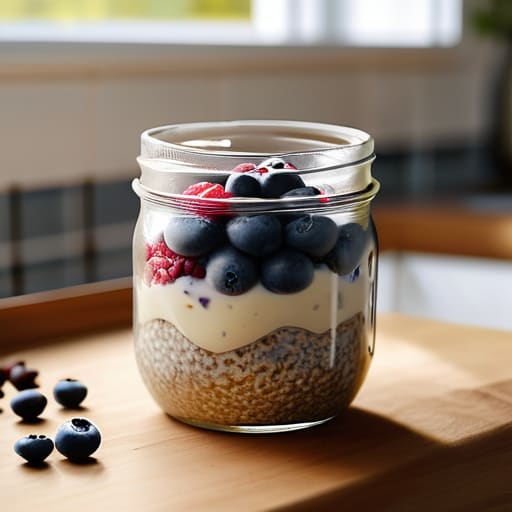
If you’re still standing in front of the pantry every morning wondering what to eat, you’ve already lost the battle. I treat my breakfast like an operations problem: you need to front-load the effort. By preparing overnight oats in a mason jar the night before, you eliminate the decision fatigue that plagues most people before they’ve even had their coffee.
The High-Protein Smoothie Hack
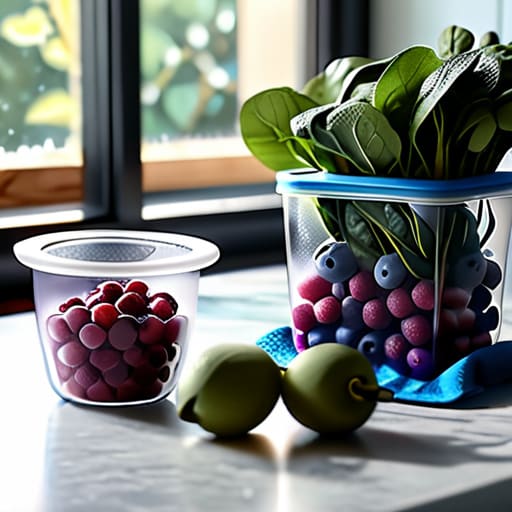
Smoothies often get a bad rap for being “sugar bombs,” but if you approach them with a bit of structural discipline, they are a powerhouse. The key is to stop improvising every morning. I keep a dedicated bin in my freezer filled with pre-portioned smoothie packs—think spinach, frozen berries, and half a banana—so there is zero prep work required when the alarm goes off.
Hard-Boiled Egg Batching

Eggs are arguably the most efficient fuel source on the planet, but boiling them one by one is a waste of your limited time. My rule is simple: if you are boiling eggs, you boil a dozen. I spend ten minutes on a Sunday afternoon creating a sturdy supply that lasts me through the better part of the week.
Greek Yogurt and Nut Clusters
Most people treat yogurt as a dessert, which is a mistake. If you want it to work as a functional breakfast, you need to focus on the macro profile. I opt for plain, unsweetened Greek yogurt to avoid the unnecessary sugar spikes that lead to a mid-morning slump.
The Savory Avocado Toast Upgrade
Toast is often seen as a “lazy” breakfast, but it can be a highly effective tool if you optimize the ingredients. Instead of just spreading butter on bread, I use a high-fiber sprouted grain toast as my base. It provides a steady release of energy rather than a quick spike and crash.
Nut Butter and Fruit Slices
Sometimes, the best system is the one that requires no equipment at all. If you are traveling or dealing with a particularly chaotic morning, the combination of nut butter and fruit is your best fallback. It is a classic for a reason: it works.
Breakfast Burritos in Bulk
Breakfast Burritos in Bulk
If you have an extra thirty minutes on a Sunday, you can solve your breakfast problem for the entire work week. I make a large batch of breakfast burritos—eggs, black beans, cheese, and perhaps a little chorizo—and wrap them individually in foil.
Chia Seed Pudding Prep
For those who prefer something lighter but still want to avoid the mid-morning hunger pangs, chia pudding is an underrated tool. Like the overnight oats, this is a set-it-and-forget-it solution. Chia seeds are incredibly efficient at absorbing liquid, turning a simple mixture into a satisfying, gel-like pudding overnight.
The Philosophy of Morning Efficiency
“A breakfast shouldn’t be a project; it should be a fuel source. If your morning routine requires more cognitive load than your first meeting of the day, you haven’t built a meal—you’ve built a friction point.”
Marcus Holloway
Cutting the Morning Friction
At the end of the day, breakfast shouldn’t be a source of decision fatigue. Whether you’re opting for the zero-effort route of overnight oats or the high-protein efficiency of a pre-prepped egg bite, the goal remains the same: eliminate the friction between waking up and starting your work. You don’t need a gourmet spread to be productive; you just need a reliable system that requires minimal cognitive load. Pick one or two of these methods that actually fit your current workflow and test them for a week. If a system feels like a chore, scrap it and try another. The point isn’t perfection; it’s utility.
We often spend our mornings reacting to the chaos of the day instead of setting the pace ourselves. By automating this one small, repetitive task, you aren’t just saving ten minutes of cooking time—you are reclaiming your mental bandwidth for the things that actually move the needle. Stop treating your morning routine like an obstacle course and start treating it like an operational advantage. Once you master the mundane, you free yourself to focus on the meaningful. Now, close this tab, go prep something for tomorrow, and get your time back.
Frequently Asked Questions
How can I meal prep these options on a Sunday without spending my entire weekend in the kitchen?
Don’t fall into the trap of “cooking for the week.” That’s how you end up with a fridge full of soggy leftovers by Wednesday. Instead, prep components, not meals. Roast a massive tray of vegetables, boil a dozen eggs, and cook a large batch of grains all at once. Use these building blocks to assemble your breakfast in under two minutes each morning. Efficiency isn’t about doing everything once; it’s about reducing the number of decisions you make.
Are there ways to make these quick options more satiating if I have a long stretch of meetings without a break?
If you’re staring down a four-hour gauntlet of back-to-back meetings, “quick” isn’t enough; you need staying power. The secret is adding a structural anchor: protein and healthy fats. Don’t just eat oats; stir in some chia seeds or a scoop of Greek yogurt. Don’t just grab toast; add an avocado or a hard-boiled egg. It’s about slowing down digestion so your blood sugar doesn’t crater mid-presentation. Build for stability, not just speed.
What’s the best way to manage the cleanup so I’m not staring at a sink full of dishes before my workday even starts?
The secret isn’t a better sponge; it’s a better system. Apply the “Clean as You Go” rule with religious intensity. While the coffee brews or the toast pops, clear the counter. Never leave a kitchen with a “to-do” list hanging over your head. If it takes less than sixty seconds—rinsing a bowl, wiping a crumb—do it immediately. Eliminate the pile before it forms, and you’ll start your workday with a clear mind, not a chore.
Can I adapt these systems for a commute if I'm not eating at my desk or at home?
You can, but you have to change your hardware. If you aren’t at a desk, “grab-and-go” becomes your primary metric. Think spill-proof and one-handed. Switch from bowls to mason jars or insulated thermoses for overnight oats. Swap a fork for a high-quality travel mug for smoothies. The goal remains the same: minimize the mess and the mental load. If it requires a napkin and a seated position, it’s not a commute-friendly system.