I spent years in corporate operations watching people lose hours to “optimization” meetings that achieved nothing, and I see the same mistake happening in the kitchen. Most recipe sites treat how to make a stir fry like a chemistry experiment, demanding exotic sauces you’ll never use again and a dozen specialized tools you don’t need. They make a ten-minute meal feel like a grueling three-hour project. It’s unnecessary friction, and frankly, it’s a waste of your evening.
I’m not here to give you a culinary lecture or a shopping list that costs more than your utility bill. My goal is to show you how to strip this process down to its most efficient parts. I’ll walk you through a system for prep, heat management, and flavor balancing that works every single time, regardless of what’s left in your crisper drawer. We’re going to focus on maximum utility and minimum cleanup so you can get fed and get back to your life. Let’s get to work.
Table of Contents
Mastering Vegetable Prep for Stir Fry Without the Mess
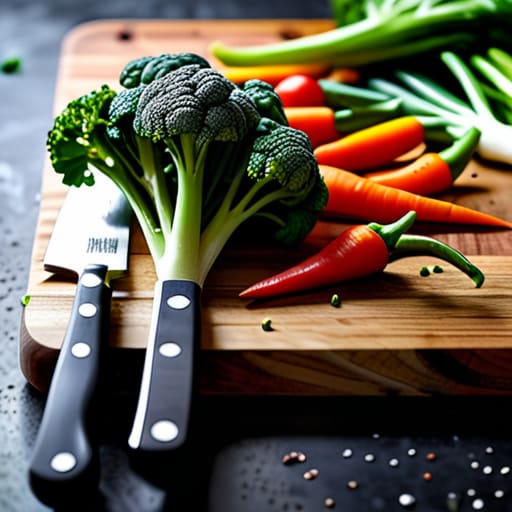
If you’re still chopping vegetables while your pan is already smoking, you’ve already lost the battle. In my experience, the biggest friction point in any quick weeknight meal isn’t the cooking itself—it’s the disorganized prep. I keep a single, sharp chef’s knife and a large cutting board ready to go. The secret to efficient vegetable prep for stir fry is uniformity. If your broccoli florets are massive and your carrots are paper-thin, you’ll end up with a plate of mush and raw crunch. Aim for bite-sized, consistent pieces so they cook at the same rate.
I also swear by the “mise en place” approach, even if that sounds a bit pretentious. I line up my prepared vegetables in small bowls or even just piles on the board before I even touch the stove. This allows me to focus entirely on the high heat cooking methods required to get that perfect sear without panicking about a knife slip. Once the heat is on, you don’t have time to hunt for the ginger or the garlic. Get everything in its place, clear your workspace, and you’ll find the whole process becomes much more meditative and significantly less chaotic.
Essential Protein Seasoning for Stir Fry to Boost Flavor
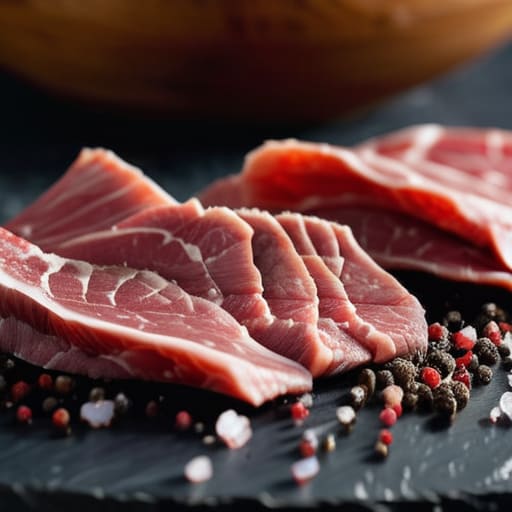
Most people treat protein as an afterthought, tossing raw meat into a pan and hoping for the best. That’s a mistake. If you want to avoid that bland, boiled texture, you need to treat seasoning as a foundational step, not a final flourish. Before anything touches the heat, I recommend a simple dry rub: salt, pepper, and a touch of cornstarch. The cornstarch is my secret weapon; it creates a thin barrier that helps the meat retain moisture while ensuring it picks up the protein seasoning for stir fry more effectively once the liquids hit the pan.
Once your protein is prepped, don’t rush the sear. You aren’t just heating food; you are building layers of flavor. If you’re using beef or chicken, let the seasoning sit for ten minutes while you finish your vegetable prep. This allows the salt to penetrate the fibers. When you finally move to the stove, you’ll notice the meat browns much faster and more evenly. This isn’t just about taste—it’s about efficiency in the kitchen. By mastering this small step, you ensure your quick weeknight meals actually taste like they came from a professional kitchen rather than a rushed assembly line.
Five Rules for a High-Efficiency Stir Fry
- Heat is your best friend. If your pan isn’t smoking slightly before the food hits, you’re not stir-frying; you’re steaming. High heat ensures that sear happens fast, keeping the vegetables crisp instead of mushy.
- Order matters. Start with the “hard” stuff—carrots, broccoli, or peppers—and move to the “soft” stuff like spinach or scallions last. If you throw everything in at once, you’ll end up with a pile of grey sludge.
- Don’t crowd the pan. I know it’s tempting to dump the whole grocery bag in, but if you overload the surface, the temperature drops instantly. Work in batches if you have to. It’s better to cook twice than to eat mediocre food once.
- Prep the sauce before you turn on the stove. Once that heat is up, you don’t have time to hunt for the soy sauce or cornstarch. Mix your liquid components in a small bowl beforehand so you can pour and move on.
- Use a high-smoke point oil. Forget the extra virgin olive oil; it’ll burn and taste bitter before the meal is even halfway done. Stick to avocado, peanut, or grapeseed oil. They handle the heat without the drama.
The Philosophy of the Wok
“A stir fry isn’t a recipe you follow; it’s a system you manage. If you’ve prepped your components and mastered your heat, the cooking part is just high-speed execution. Don’t let the process slow you down.”
Marcus Holloway
Streamline Your System
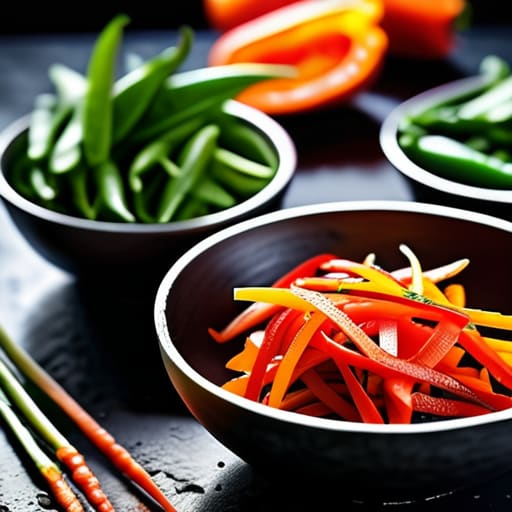
At this point, you have the blueprint. We’ve covered how to prep your vegetables with precision to avoid a kitchen disaster and how to season your proteins so they actually taste like something. The secret isn’t in a complex recipe; it’s in the logistics of the prep. When you have your components organized and your seasoning dialed in before the heat even touches the pan, you eliminate the frantic, mid-cook scrambling that turns a quick meal into a stressful chore. Stick to these fundamentals, keep your heat high, and treat your kitchen like a well-oiled machine.
Cooking shouldn’t be another item on your to-do list that drains your mental battery. It should be a high-utility ritual that fuels you without stealing your evening. By mastering these small, repeatable processes, you aren’t just making a better meal—you are reclaiming your time. Once the wok is clean and the dishes are done, you can get back to what actually matters, whether that’s a project, a book, or just some quiet downtime. Now, stop reading, get to the stove, and get it done.
Frequently Asked Questions
What's the best way to prevent my vegetables from turning into mush?
The secret is heat management and timing. Don’t dump everything in at once. Start with your hard vegetables—carrots or broccoli—first. Once they lose their raw edge, add the softer stuff like peppers or snap peas. Most importantly, keep the pan screaming hot and don’t overcrowd it; if you pile too much in, the temperature drops, moisture builds up, and you end up steaming mush instead of searing crispness. Keep it fast.
Can I use a regular non-stick skillet if I don't own a wok?
You can, but you need to adjust your workflow. A wok’s shape is designed for heat distribution and easy tossing; a flat skillet isn’t. To avoid crowding the pan and steaming your ingredients, cook in smaller batches. If you pile everything in at once, the temperature drops, your veggies get mushy, and you’ve lost the very efficiency we’re aiming for. Keep the heat high, work in stages, and keep moving.
How do I get that restaurant-style thick sauce without it being a greasy mess?
The secret isn’t more oil; it’s a slurry. Most people make the mistake of adding sauce too early or using too much fat. Here’s the fix: whisk a teaspoon of cornstarch into a small amount of cold liquid—water or broth—before adding it to the pan. Pour it in at the very end once your proteins and veggies are cooked. It thickens instantly, coating everything in a glossy sheen without the grease.
Is there a way to prep this entire meal in under ten minutes so I'm not stuck in the kitchen all night?
Ten minutes is tight, but doable if you stop treating cooking like a hobby and start treating it like an operation. Skip the knife work: buy pre-washed bagged slaw or frozen stir-fry blends. Use a high-quality bottled sauce instead of measuring out individual spices. If you’re using protein, grab pre-sliced strips from the butcher. Minimize the variables, reduce the prep, and you’ll be eating in no time. Efficiency is everything.