I spent most of my twenties eating sad, wilted piles of iceberg lettuce that tasted like nothing but water and regret. I used to think that if I wanted to fix it, I needed to buy expensive, pre-packaged “superfood” kits or spend forty minutes prepping some complicated vinaigrette that ended up tasting like vinegar and sadness. Most of the advice you find online about how to make salad interesting is just marketing fluff designed to make you spend more money at the grocery store. You don’t need a boutique organic market to have a decent meal; you just need to understand the basic mechanics of flavor.
I’m not here to give you a recipe for a complicated seasonal masterpiece that takes an hour to prep. Instead, I’m going to give you a high-utility framework for building a bowl that actually satisfies. We are going to focus on the fundamental pillars of texture, acid, and fat so you can stop treating lunch like a chore. My goal is to help you automate your nutrition without sacrificing your sanity or your palate. Let’s get to the utility.
Table of Contents
Mastering Flavor Balancing in Salads Without the Fluff
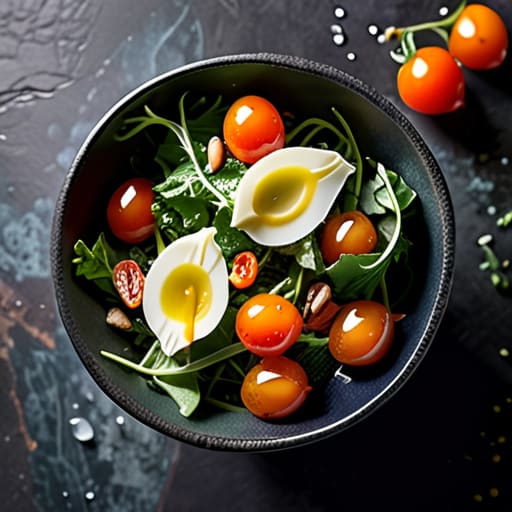
Most people treat a salad like a chore—a pile of wilted greens they eat because they feel they “should.” If you want to stop viewing lunch as a task to be completed, you need to understand flavor balancing in salads. It isn’t about magic; it’s about chemistry. You need a baseline of fat (oil or avocado), an acid (lemon or vinegar) to cut through that fat, and a hit of salt to wake up the vegetables. If your salad tastes flat, you didn’t fail at cooking; you just forgot the acid.
Once you have the liquid foundation down, stop relying on store-bought bottles that are mostly sugar and preservatives. I prefer keeping three basic salad dressing recipes in my fridge at all times—usually a vinaigrette, a creamy tahini base, and a citrus-heavy option. This gives you a modular system. From there, you layer in your components. Don’t just throw things in a bowl; think about salad ingredient combinations that offer contrast. If you have soft goat cheese, you need something sharp like pickled onions. If you have bitter arugula, you need something sweet like sliced pears or dried cranberries. It’s about creating a system that works every single time.
Efficient Salad Ingredient Combinations for Maximum Impact
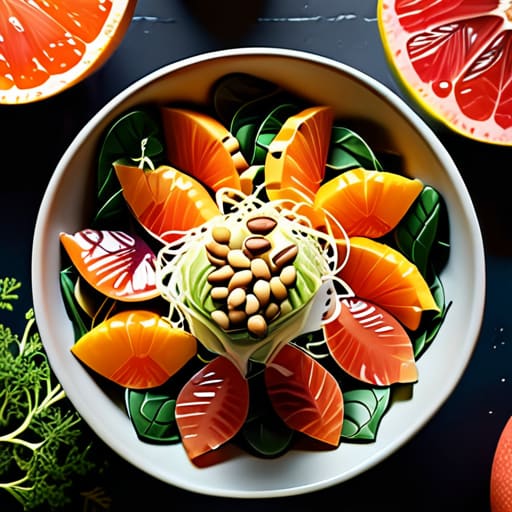
If you’re tired of staring at a wilted pile of arugula, stop treating your greens like an afterthought and start treating them like an assembly line. The secret to high-impact salad ingredient combinations isn’t about finding exotic superfoods; it’s about the strategic deployment of contrast. I like to follow a simple three-part framework: a sturdy base, a high-impact protein or fat, and a “disruptor.” Think shaved fennel and citrus for brightness, or roasted chickpeas and toasted pumpkin seeds for adding texture to salads. If every bite feels the same, you’re going to abandon the bowl halfway through.
Efficiency is the name of the game here, especially if you’re doing any kind of nutritious salad meal prep for the work week. Don’t overcomplicate it. Pick one heavy hitter—like a creamy goat cheese or a handful of candied walnuts—and pair it with something acidic, like pickled red onions or a sharp vinaigrette. This creates a repeatable system. You aren’t just tossing food in a bowl; you are engineering a repeatable sensory experience that requires minimal cognitive load. Once you master these basic ratios, you can swap ingredients in and out without ever having to consult a recipe again.
The Five-Point Checklist for Salad Utility
- Texture is non-negotiable. If your salad is just a pile of soft leaves, you’re basically eating wet paper. You need a mechanical element—toasted seeds, crushed nuts, or even sourdough croutons—to provide resistance when you bite. It keeps the brain engaged.
- Don’t ignore the acid. A heavy, oily dressing is a mistake; it coats the tongue and kills your palate. You need a sharp hit of lemon juice, apple cider vinegar, or pickled onions to cut through the fat and reset your taste buds between bites.
- Use the “Salt and Fat” rule. If a salad tastes “flat,” it’s usually because you’ve neglected the seasoning. A sprinkle of flaky sea salt and a high-quality fat—like feta, avocado, or even a bit of shaved parmesan—transforms a side dish into a meal.
- Build with seasonal efficiency. Don’t waste time hunting for out-of-season produce that tastes like nothing. If it’s autumn, use roasted squash; if it’s summer, use stone fruit. Seasonal ingredients carry more natural flavor, which means you spend less time trying to fix them with heavy dressings.
- Stop overcomplicating the prep. You don’t need fifteen ingredients to make a great salad. Pick one base (greens), one crunch (nuts/seeds), one creamy element (cheese/avocado), one acid (vinegar/citrus), and one savory hit (protein/salt). That’s the framework. Everything else is just noise.
The Philosophy of the Bowl
A salad shouldn’t be a chore you endure to check a nutrition box; it should be a deliberate assembly of texture and acid that actually justifies the time you spent making it.
Marcus Holloway
The Bottom Line on Salad Utility
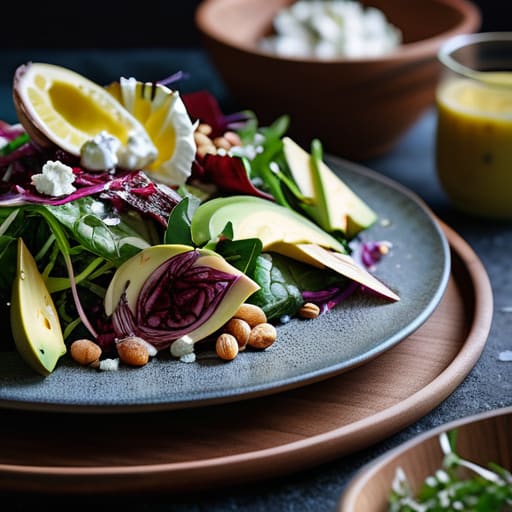
At the end of the day, making a salad interesting isn’t about following a complex recipe or buying expensive, niche ingredients from a specialty grocer. It’s about applying a logical framework: balance your acid and fat, layer your textures, and ensure you have enough salt to pull the whole thing together. Stop treating your greens like an afterthought or a chore you have to endure to meet a nutritional quota. Once you understand the mechanics of flavor, you can stop searching for inspiration and start building meals that actually satisfy. It is a simple matter of systematic optimization rather than culinary guesswork.
I spent years in corporate environments where lunch was nothing more than a way to refuel between meetings—usually something bland, soggy, and utterly forgettable. I realized that if I didn’t take control of my midday meal, I was essentially wasting a significant portion of my day on something that provided zero joy. Don’t let your nutrition become another source of friction in your schedule. Use these frameworks to automate your meal prep so that you can spend less time thinking about what to eat and more time focusing on the work that actually matters. Now, go grab your notebook, write down your favorite combinations, and get to it.
Frequently Asked Questions
How do I prevent my salads from turning into a soggy mess by lunchtime?
Stop treating your salad like a pre-mixed bowl of disappointment. If you want crunch at noon, you need a tiered assembly strategy. Pack your heavy, moisture-resistant items—think chickpeas, cucumbers, or hearty grains—at the bottom. Keep your delicate greens and any sliced tomatoes at the very top, far away from the moisture. Most importantly: leave the dressing for the moment you actually sit down to eat. Use a small, separate container. No exceptions.
Is there a way to make these salads more filling so I'm not reaching for snacks an hour later?
The problem isn’t your salad; it’s your satiety strategy. If you’re hungry an hour later, you’ve built a side dish, not a meal. You need to integrate high-utility fuel: complex carbohydrates and clean proteins. Add a half-cup of quinoa, some chickpeas, or a handful of roasted nuts. Don’t skimp on healthy fats, either—avocado or olive oil provides the long-burning energy your brain needs to stay focused. Stop snacking; start fueling.
What are the best low-effort dressings for when I don't have time to prep from scratch?
When you’re short on time, stop overthinking it. Grab a high-quality, extra virgin olive oil and a bottle of aged balsamic or apple cider vinegar. That’s your base. If you want more depth without the work, keep a jar of good Dijon mustard and some flaky sea salt in the fridge. Whisk them together with the oil and vinegar in a small jar. It takes thirty seconds, and it beats a mediocre bottled dressing every time.
How do I scale these combinations for meal prepping an entire week without losing the quality?
Don’t prep the whole salad at once; that’s a recipe for soggy, depressing leaves. Instead, treat it like an assembly line. Prep your “hard” components—grains, roasted proteins, and hearty vegetables—in bulk on Sunday. Keep your greens and dressings separate in airtight containers. When lunch rolls around, grab your pre-portioned base, toss in the fresh stuff, and dress it right before eating. It takes thirty seconds, but it preserves the texture that makes the meal worth eating.