I’ve spent a good portion of my career optimizing workflows for massive corporations, but I’ve realized the most critical system you’ll ever manage is your own daily routine. Most people treat dinner like a high-stakes project management crisis, staring blankly at a fridge full of ingredients and feeling the mental weight of a thousand decisions. It’s a massive drain on your cognitive bandwidth. If you’re looking for easy meals for beginners, you shouldn’t be searching for gourmet recipes that require a culinary degree; you should be looking for low-friction solutions that get you fed without the headache.
I’m not here to teach you how to make a soufflé or master French mother sauces. My goal is to help you strip away the unnecessary complexity of cooking so you can reclaim your evening. In the following list, I’ve broken down eight high-utility options that prioritize efficiency and minimal cleanup. These are the foundational builds of a functional kitchen—meals that are reliable, nutritious, and, most importantly, designed to get you back to your life with zero wasted effort.
Table of Contents
The Sheet Pan Standard
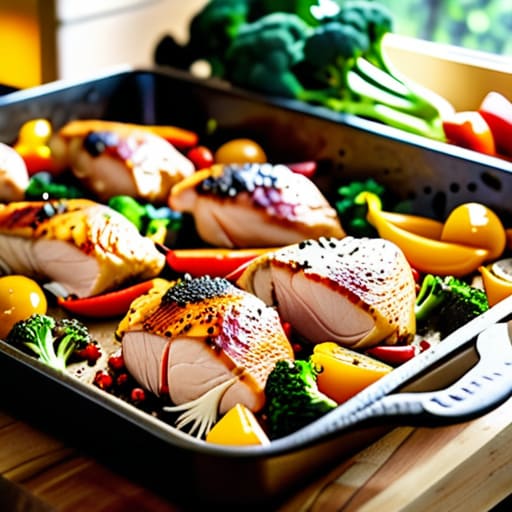
If you want to minimize cleanup, the sheet pan is your best friend. You essentially toss a protein—think chicken thighs or salmon fillets—onto a tray with some chopped vegetables like broccoli or bell peppers, drizzle with olive oil and salt, and let the oven do the heavy lifting. It’s a low-friction approach to cooking that removes the need to stand over a hot stove monitoring multiple pans.
One-Pot Pasta Logic
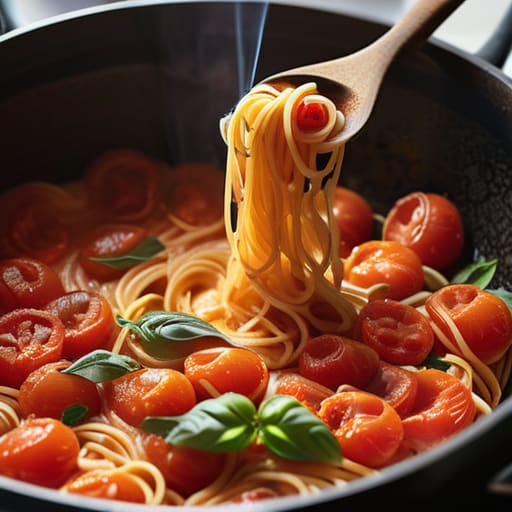
I’ve always been a proponent of systems that reduce the number of moving parts. One-pot pasta is exactly that. Instead of boiling water in one pot and simmering sauce in another, you throw your dry pasta, aromatics, canned tomatoes, and broth into a single vessel. As the pasta cooks, it releases starch that naturally thickens the sauce, creating a cohesive meal with minimal effort.
The Rotisserie Shortcut
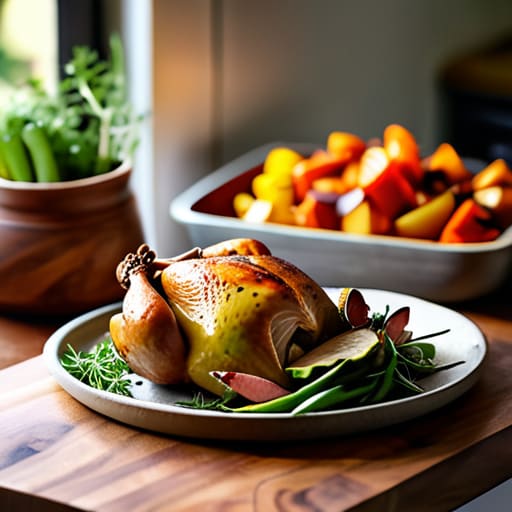
There is no shame in utilizing existing infrastructure to save your own time. A store-bought rotisserie chicken is perhaps the most underrated tool in a busy professional’s arsenal. It is pre-cooked, seasoned, and requires zero preparation. I often pick one up on my way home to serve as the foundation for several different meals throughout the week.
Elevated Breakfast for Dinner
Eggs are the ultimate high-utility food. They are inexpensive, store for a long time, and cook in under five minutes. If you find yourself too drained to tackle a “real” recipe after a long day of consulting, a sophisticated omelet or a couple of fried eggs over toast is a perfectly acceptable solution. It’s nutritiously dense and requires almost no cognitive load to execute.
The Grain Bowl Strategy
Think of a grain bowl as a customizable assembly line. You start with a base of a pre-cooked grain—quinoa or brown rice works well—and then layer on a protein, a healthy fat like avocado, and some raw or roasted vegetables. It’s a structured framework that allows you to use whatever ingredients you currently have on hand without needing a formal recipe.
Slow Cooker Staples
The slow cooker is essentially an automated kitchen assistant. You spend fifteen minutes in the morning loading it with raw ingredients—beef stew chunks, potatoes, carrots, and broth—and then you simply walk away. By the time you’ve finished your workday, the heavy lifting is done, and a hot meal is waiting for you.
Loaded Sandwiches and Wraps
Sometimes, the most efficient path is the one that requires no heat at all. A high-quality sandwich or wrap is often overlooked as a “real” meal, but it doesn’t have to be. Use hearty whole-grain bread, a solid protein like deli turkey or chickpeas, and plenty of texture from cucumbers or sprouts. It’s a frictionless way to eat well when you’re short on time.
The Stir-Fry Method
Stir-frying is the fastest way to turn a collection of random ingredients into a cohesive meal. The high heat cooks everything quickly, which preserves the texture of the vegetables and keeps the process moving. It’s a dynamic way to cook that rewards you with a massive amount of flavor in a very short window of time.
The Philosophy of the Plate
Cooking shouldn’t be a second job; it’s just fuel for the life you’re actually trying to live. If a recipe requires more mental bandwidth than you have left at 6:00 PM, it’s a bad recipe. Focus on high-utility ingredients, minimize the cleanup, and stop treating every Tuesday like a culinary exam.
Marcus Holloway
Streamline Your Kitchen
At the end of the day, cooking shouldn’t feel like a second job. Whether you’re leaning on the efficiency of a sheet-pan roast or the sheer simplicity of a high-quality grain bowl, the goal remains the same: eliminate the decision fatigue that comes with hungry evenings. You don’t need a pantry full of exotic spices or a kitchen that looks like a professional studio to eat well. By mastering these eight foundational methods, you aren’t just making food; you are building a repeatable system that protects your most valuable resource—your time. Stick to the basics, keep your ingredients accessible, and stop overcomplicating the process.
I spent years in the corporate world thinking that more complexity meant more value, but I was wrong. The real luxury is found in the things that work seamlessly without constant intervention. Apply that same logic to your kitchen. Don’t aim for culinary perfection; aim for functional consistency. Once you automate these simple meal patterns, you’ll find you have more mental bandwidth for the things that actually move the needle in your life. Now, put down the phone, grab your notebook, and start with just one of these recipes this week. The friction is gone; all that’s left is the utility.
Frequently Asked Questions
How do I avoid the "decision fatigue" of deciding what to cook every single night?
The secret isn’t finding better recipes; it’s reducing the number of choices you have to make. Stop treating every Tuesday like a culinary experiment. I use a “template” system: Monday is always grain bowls, Wednesday is always stir-fry, Friday is always something thrown in the oven. When you pre-decide the framework, you eliminate the mental friction. Automate the structure, and you’ll find you actually have the energy to enjoy the food.
What’s the most efficient way to prep these ingredients without spending my entire Sunday in the kitchen?
Don’t fall into the “meal prep marathon” trap. You don’t need a dedicated Sunday session to stay efficient. Instead, use the “component method.” When you’re already cooking one thing, double the batch. Chop all your aromatics—onions, garlic, peppers—in one single session and store them in airtight containers. It takes ten minutes once, and it saves you ten minutes every single night. Prep the components, not the meals. Minimize the friction.
Are there specific kitchen tools I actually need, or am I just buying more clutter?
Most kitchen gadgets are just expensive clutter designed to solve problems you don’t actually have. You don’t need a specialized avocado slicer or a garlic press that takes ten minutes to clean. Stick to the fundamentals: one high-quality chef’s knife, a heavy cast-iron skillet, a reliable Dutch oven, and a solid wooden cutting board. If a tool doesn’t serve at least three different functions, leave it on the shelf. Keep your counters clear and your workflow simple.
How can I keep these meals nutritious without adding a dozen extra steps to the process?
Don’t overthink it. Nutrition shouldn’t require a chemistry degree or an hour of prep. My rule of thumb is the “add, don’t subtract” method. Instead of cooking complex new dishes, just toss a handful of pre-washed baby spinach into your pasta or add a scoop of canned chickpeas to your grain bowl. It’s about layering simple, whole foods into the framework you’ve already built. Minimal effort, maximum utility.