I spent most of my twenties in corporate boardrooms, learning that the most expensive mistakes are usually just a series of small, unoptimized inefficiencies. I see the same thing happening in kitchens. People think they need a $500 Japanese chef’s knife or a dozen specialized gadgets just to figure out how to prep vegetables without losing their minds. They buy pre-cut, overpriced plastic containers that end up in the trash by Wednesday, or they spend forty minutes dicing onions after a ten-hour workday. It’s unnecessary friction, and frankly, it’s a waste of your most valuable resource: time.
I’m not here to teach you how to become a Michelin-starred sous chef. My goal is to help you build a system that works so you can stop viewing cooking as a chore and start seeing it as a way to fuel your life. I’m going to show you a few straightforward, repeatable methods to get your prep done once, efficiently, and with minimal cleanup. We’re going to strip away the fluff and focus on the utility, so you can get the food on the table and get back to your actual life.
Table of Contents
Sharpen Your Edge Essential Knife Skills for Cooking
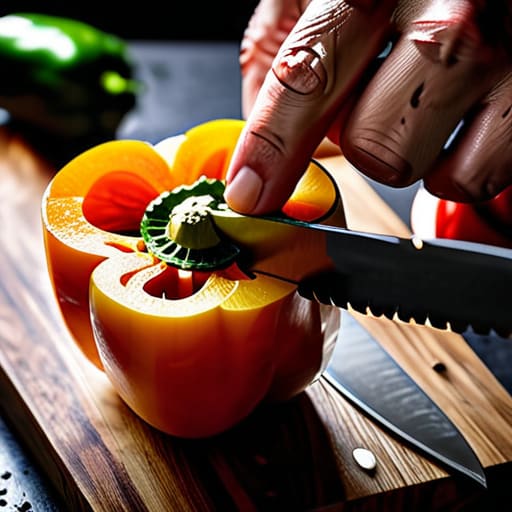
If you’re still hacking away at a bell pepper like you’re trying to chop wood, you’re doing it wrong. It’s not just about speed; it’s about safety and consistency. Most people approach chopping with a dull blade and a lot of tension, which is a recipe for a trip to the ER. To master knife skills for cooking, you need to start with a sharp, high-quality chef’s knife and learn the “claw grip.” Tuck your fingertips in and use your knuckles to guide the blade. This keeps your skin away from the edge and ensures every dice is uniform. Uniformity matters because if your carrots are different sizes, some will be mush while others are still crunchy.
Once you have the grip down, focus on your workflow. I’ve found that the most efficient kitchen prep techniques involve setting up a dedicated station. Don’t jump back and forth between the sink and the cutting board. Start by thorough washing and drying produce in one go, then move to a stable, non-slip surface to begin your work. If your cutting board slides around, put a damp paper towel underneath it. It’s a small, low-tech fix that removes a massive amount of unnecessary friction. Keep it simple, keep it sharp, and stop fighting your tools.
Washing and Drying Produce Without Wasting Time
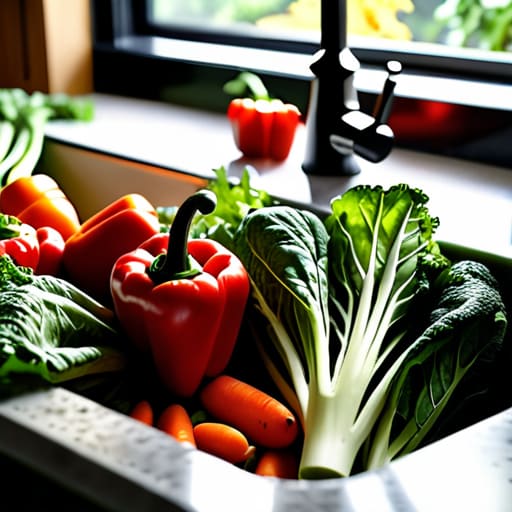
Most people treat washing produce as an afterthought, a frantic rinse right before the pan hits the heat. That’s a mistake. If you want to master efficient kitchen prep techniques, you need to treat washing as its own distinct phase. I’ve learned that the secret to staying organized is to wash everything in one go. Don’t pull out a single head of lettuce, wash it, and then realize you need more space for the peppers. Clear a spot in the sink, gather your haul, and handle the bulk of the cleaning upfront. It’s about creating a flow that prevents you from constantly stopping and starting.
Once they’re clean, the real friction begins: moisture. If you toss wet greens straight into a container, they’ll turn into a slimy mess by Tuesday. This is where most meal prep for beginners falls apart. I use a salad spinner for the leafy stuff, no exceptions, and lay heavier items out on a clean lint-free towel. The goal is to get them as dry as possible before they hit a storage container. Proper washing and drying produce is the difference between a crisp, usable ingredient and something you end up scraping into the compost bin because you were too rushed to do it right the first time.
The Efficiency Protocol: Five Ways to Cut the Chaos
- Batch your work. Don’t chop one carrot for a salad and then another for a stir-fry three days later. When you pull the knife out, commit to the task. Chop everything you need for the week in one focused session, then put the tools away.
- Organize by “use-by” priority. I keep my prepped greens and delicate aromatics in one container and my hardy root vegetables in another. Don’t let a beautiful pile of chopped bell peppers turn into a soggy mess in the back of your fridge because you didn’t prioritize the order of operations.
- Invest in decent containers. Stop using mismatched plastic tubs that leak or lose their seal. Get a set of uniform, high-quality glass containers. They stack perfectly, they don’t hold onto smells, and they make your fridge look like a managed system rather than a junk drawer.
- Use the “Mise en Place” mindset even for prep. Before you even touch a vegetable, get your cutting board, knife, and waste bowl ready. Fumbling around for a trash can halfway through a task is unnecessary friction that breaks your momentum.
- Don’t over-prep the fragile stuff. It’s tempting to chop everything at once, but leave your herbs and soft leafy greens for the moment you actually need them. There’s no point in automating a process only to end up throwing half of it in the compost bin on Thursday.
The Philosophy of Preparation
Most people treat vegetable prep like a chore to be endured, but if you view it as a system to be optimized, you aren’t just cutting carrots—you’re buying back your evening.
Marcus Holloway
The Bottom Line
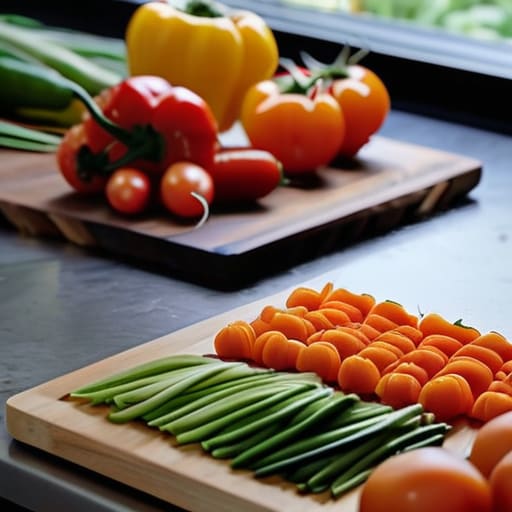
At the end of the day, efficient vegetable prep isn’t about becoming a professional chef; it’s about eliminating the friction between your intention to eat well and the actual act of cooking. We’ve covered the essentials: keeping your knives sharp so you aren’t fighting your food, washing your produce in batches to save time later, and organizing your workspace to maintain a steady rhythm. When you master these small, mechanical details, you stop viewing mealtime as a chore and start seeing it as a managed process. Stop hacking away at individual ingredients every single night and start building a system that works for you, not against you.
I’ve spent a lot of my career looking for ways to optimize workflows, and I can tell you that the biggest gains always come from these tiny, repetitive adjustments. By automating the mundane parts of your kitchen routine, you aren’t just saving minutes; you are reclaiming your mental bandwidth. You’re making space to actually enjoy the meal, or perhaps just to sit in silence for ten minutes after a long day. Don’t let the complexity of a recipe intimidate you. Master the prep, own your time, and let the rest fall into place.
Frequently Asked Questions
How long can I actually keep prepped vegetables in the fridge before they start losing quality?
Here’s the reality: freshness has an expiration date. Most chopped hardy vegetables—think carrots, celery, or peppers—will hold up well for three to five days if stored in airtight containers. Leafy greens are more temperamental; they’ll likely wilt within two. If you’re prepping for a long week, I suggest a staggered approach. Prep the tough stuff on Sunday, but leave the delicate items for mid-week. Don’t let your efficiency efforts turn into food waste.
Is it worth investing in a food processor, or am I better off sticking to manual prep to save space?
Look, if you’re cooking for one or two and value counter space, stick to your knife. But if you’re prepping large batches of mirepoix or making pesto for the week, a food processor is a force multiplier. It’s not about being lazy; it’s about reclaiming the twenty minutes you’d spend dicing onions. Buy a mid-range model, use it for the heavy lifting, and then get it back in the cupboard. Efficiency wins.
How do I organize my workspace so I'm not constantly fighting with scraps and mess?
Stop treating your cutting board like a battlefield. The mess isn’t the problem; it’s the lack of a system. Get a dedicated “scrap bowl”—a simple stainless steel bowl—and keep it right next to your prep area. As you peel or trim, everything goes straight into the bowl, not the board. It keeps your workspace clear and your focus sharp. Minimize the micro-movements, clear the clutter, and get back to the cooking.
What are the best ways to store different types of produce to prevent them from getting mushy?
Stop treating your crisper drawer like a junk bin. If you want to stop throwing money in the trash, you need a system. Leafy greens belong in a container with a paper towel to manage moisture. Berries? Keep them dry and out of the fridge until you’re ready to eat. Most root vegetables actually prefer a cool, dark pantry over the humidity of a fridge. Organize by shelf life, not just by type.