I spent two decades in corporate operations, where I learned one universal truth: if you don’t design your own systems, someone else’s chaos will design them for you. Most people approach their nutrition like a series of emergency meetings—reactive, stressful, and usually resulting in a subpar outcome. We hit a wall at 6:00 PM, the mental bandwidth is gone, and suddenly we’re settling for takeout because we lack a plan. Implementing consistent healthy meal prep ideas isn’t about becoming a gourmet chef or spending your entire Sunday in the kitchen; it’s about reducing friction so that eating well becomes the path of least resistance.
In this guide, I’m stripping away the fluff and the overly complicated recipes that require a degree in chemistry to execute. I’ve distilled my approach into eight practical, scalable strategies designed to automate your nutrition without draining your soul. You’re going to learn how to build a repeatable framework that works for your schedule, not against it. By the end of this, you won’t just have a list of meals; you’ll have a system for reclaiming your time and your health. Let’s get to work.
Table of Contents
The Grain Bowl Blueprint
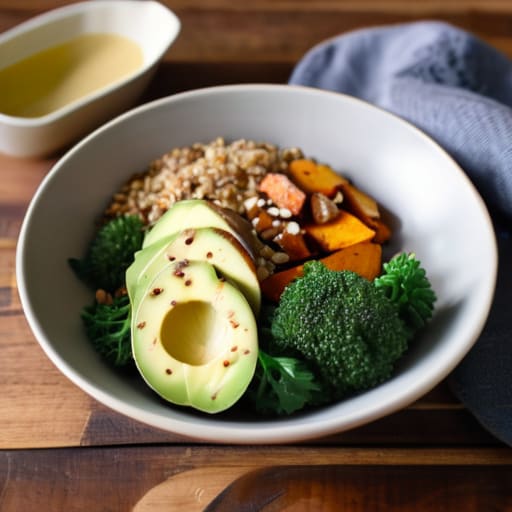
Stop trying to reinvent the wheel every Tuesday night. The most efficient way to handle lunch is to master the grain bowl architecture: a base of complex carbs, a lean protein, a heavy dose of vegetables, and a fat-based dressing. I keep a large batch of quinoa or farro in the fridge at all times because they hold their texture far better than rice when reheated.
Sheet Pan Efficiency
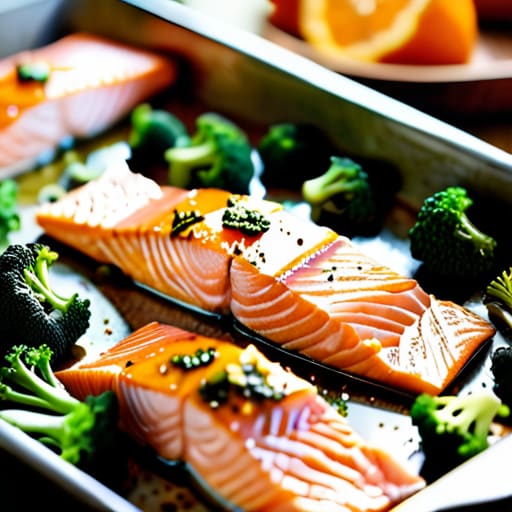
If you aren’t using your oven to its full potential, you’re wasting precious time. Sheet pan meals are the ultimate hack for anyone who hates washing a mountain of pots and pans after a long day. I usually toss salmon fillets, broccoli florets, and halved sweet potatoes in olive oil and sea salt, then let the oven do the heavy lifting.
Batch-Cooked Protein Bases
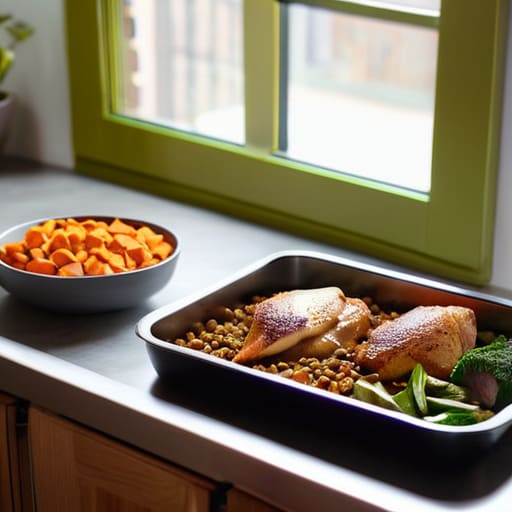
Most people fail at meal prepping because they try to prep complete meals that get boring by day three. Instead, I recommend prepping versatile protein components. Spend an hour on Sunday roasting two pounds of chicken thighs or simmering a large pot of seasoned lentils.
The Mason Jar Salad Method
We’ve all been there: you open your Tupperware at work, and your salad is a soggy, unappetizing mess. To avoid this, use the layering technique in glass jars. Put your dressing at the very bottom, followed by hard vegetables like cucumbers or carrots, then your proteins, and finally your leafy greens at the top.
Slow Cooker Stews and Soups
There is something deeply pragmatic about a slow cooker. You can set it in the morning before you head into the office, and by the time you’re winding down in the evening, a nutritious meal is waiting for you. I lean heavily on hearty lentil soups or turkey chili because they actually improve with age.
Roasted Vegetable Bulk Prep
Vegetables are the most important part of your diet, but they are also the most tedious to prepare daily. My solution is to dedicate one tray to a “rainbow” of roasted vegetables—think bell peppers, zucchini, red onion, and cauliflower. Once they are roasted and cooled, they become a highly functional tool for any meal.
The Breakfast Egg Bake
Morning chaos is the enemy of a healthy diet. If you’re scrambling to find something to eat while checking emails, you’re going to grab something processed and sugary. An egg bake or “frittata” is the perfect solution for automating your morning nutrition.
Smart Snack Stations
Hunger doesn’t follow a schedule, and that’s usually when we make our worst dietary choices. To prevent the mid-afternoon slump from turning into a vending machine run, you need to prep your snacks with the same discipline you apply to your meals.
The Philosophy of Prep
Meal prepping isn’t about obsessing over macros or spending your entire Sunday in a kitchen; it’s about building a system that eliminates the decision fatigue of a Tuesday night. Automate your nutrition so you can spend your mental energy on things that actually move the needle.
Marcus Holloway
The Bottom Line
At the end of the day, meal prepping isn’t about becoming a gourmet chef or spending your entire Sunday in a flour-dusted kitchen. It’s about building a repeatable system. Whether you’re batch-cooking grains, prepping versatile proteins, or simply portioning out roasted vegetables, the goal is the same: to remove the decision fatigue that usually hits you at 6:00 PM when you’re tired and hungry. By implementing even two or three of these strategies, you transition from being a reactive consumer to an intentional operator of your own health. You stop reacting to cravings and start executing a plan.
I’ve spent years optimizing workflows for corporations, but the most significant ROI I’ve ever seen came from optimizing my own kitchen. When you automate the mundane task of feeding yourself, you stop leaking mental energy on trivialities. You gain back those quiet evening hours that used to be lost to takeout apps and mindless scrolling. Don’t try to overhaul your entire life overnight; just pick one method from this list and start small. The objective isn’t perfection—it’s reclaiming your time so you can focus on the things that actually move the needle in your life.
Frequently Asked Questions
How do I keep these meals from tasting like cardboard by Thursday?
The mistake most people make is treating meal prep like a static event rather than a system. If you’re eating soggy leftovers, you’re likely overcooking everything on Sunday. Stop that. Under-cook your proteins and grains slightly; they’ll finish during the reheat. More importantly, keep your sauces separate. Don’t drown the meal in dressing on day one. Add fresh acidity—a squeeze of lime or a dash of hot sauce—right before you eat. Texture is everything.
Is it worth the upfront time investment if I only have an hour on Sundays?
An hour is plenty, provided you stop trying to be a Michelin-star chef. Don’t aim for gourmet; aim for efficiency. Use that hour to chop vegetables, cook one large batch of grains, and roast two proteins. It’s about building a modular system, not a buffet. If you spend forty minutes prepping components rather than full recipes, you’ve already won. The ROI on sixty minutes of Sunday effort is massive when measured against your weekday sanity.
What’s the best way to store everything without letting my fridge become a science experiment?
The biggest mistake people make is treating their fridge like a junk drawer. If you want to avoid the “science experiment” phase, you need a system. Invest in a set of uniform, clear glass containers—plastic is a headache and obscures visibility. Label them with a piece of masking tape and a pen. If you can’t see it, you won’t eat it, and if you can’t see it, it’s going to rot. Clear sightlines prevent waste.
How do I scale these portions if my schedule changes or I have guests over?
Don’t overthink it. Treat your meal prep as a modular system, not a rigid contract. If you have guests, don’t cook a new meal; just double the protein and grains from your base components. If you’re traveling, freeze half your portions immediately. I keep a small stack of airtight containers specifically for this reason. Scale the volume, keep the ingredients the same, and you won’t lose the efficiency you worked so hard to build.