I remember standing in my first tiny apartment kitchen after a decade of corporate grind, staring at a pile of unevenly diced onions and feeling a genuine sense of defeat. I had all the expensive gadgets a man could want, but I was still spending forty minutes on prep work that should have taken ten. Most people think you need a $500 Japanese steel blade or a culinary degree to stop struggling, but that’s just more unnecessary friction. Learning how to master basic knife skills isn’t about the gear you buy; it’s about the mechanics of your hands and the efficiency of your movement.
Once you’ve got the mechanics down, the next hurdle is usually just finding the time to actually practice these skills without feeling like you’re performing a solo chore. I’ve found that the best way to bridge the gap between theory and real-world application is to turn cooking into a social endeavor rather than a solitary task. If you’re looking to sharpen your skills alongside others, finding ways for meeting people in East Midlands through local cooking workshops or community kitchen groups can be a massive force multiplier for your progress. It turns a repetitive drill into a meaningful way to reclaim your evenings while building a community that shares your interests.
I’m not here to give you a lecture on the history of cutlery or sell you a subscription to a gourmet cooking club. My goal is simple: I want to help you reclaim your evening by making your kitchen time more productive and significantly less stressful. I’m going to show you the few, essential techniques that actually matter so you can cut through the noise and get to the eating. We’re going to focus on precision, safety, and speed—no fluff, just pure utility.
The Proper Knife Grip for Beginners to Maximize Control
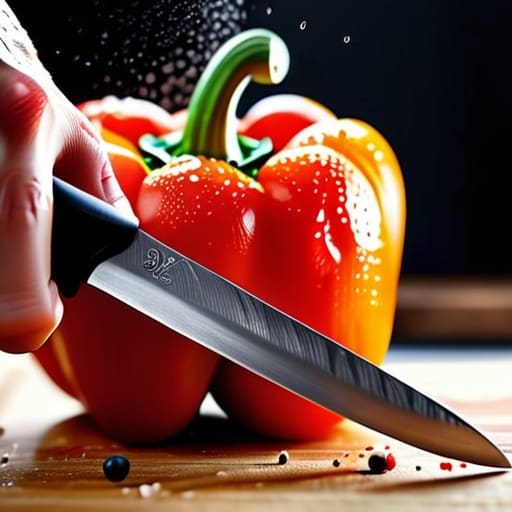
Most people hold a knife like they’re holding a hammer, gripping only the handle with their palm. That’s your first mistake. It leaves the blade wobbling, which is a fast track to preventing kitchen knife injuries—or rather, failing to do so. If you want real control, you need to use the “pinch grip.”
Instead of just wrapping your fingers around the handle, slide your thumb and index finger up onto the base of the blade itself, right where the metal meets the bolster. This connects your hand directly to the tool. By doing this, the knife becomes an extension of your arm rather than just an object you’re clutching. It’s the foundation of proper knife grip for beginners and the only way to achieve the precision required for consistent results.
Once you have that grip, the rest of the mechanics fall into place. You aren’t fighting the steel anymore; you’re guiding it. This stability is what allows you to transition from clumsy hacking to fluid, rhythmic motions. Stop treating your tools like blunt instruments and start treating them like the precision instruments they are.
Essential Chef Knife Techniques to Cut Through the Fluff
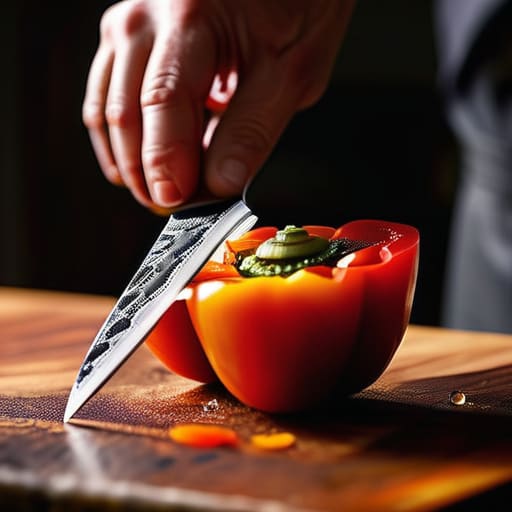
Once you’ve nailed the grip, it’s time to move the blade. Most people treat a knife like a saw, using a repetitive up-and-down motion that’s inefficient and exhausting. Instead, focus on the rocking motion. Keep the tip of the blade in contact with the cutting board and use a fluid, circular movement to let the edge do the work. This isn’t just about speed; it’s about reducing the physical friction between you and your ingredients.
Next, let’s address the “claw.” This is the most effective of the safe vegetable chopping methods I’ve ever used. Curl your fingertips inward, tucking your knuckles under so they act as a guide for the side of the blade. This keeps your skin away from the edge and provides a stable surface for consistent sizing. If you aren’t using the claw, you’re essentially gambling with your fingertips.
Finally, stop trying to force a dull blade through a tough onion. If you feel yourself struggling, it’s time to look into how to sharpen kitchen knives rather than just hacking away. A sharp tool is a predictable tool, and predictability is the foundation of efficiency.
Five Ways to Stop Fighting Your Ingredients
- Keep your blades sharp. A dull knife is a dangerous knife because it requires more force, more precision, and ultimately leads to slips. I’d rather spend five minutes honing a blade than twenty minutes nursing a cut.
- Master the “Claw.” Tuck your fingertips inward and use your knuckles to guide the blade. It’s a simple mechanical shift that creates a physical barrier between your skin and the edge.
- Stabilize your workspace. If your cutting board is sliding around like it’s on ice, shove a damp paper towel underneath it. A stable surface is the foundation of any efficient prep session.
- Don’t overcomplicate your toolkit. You don’t need a drawer full of specialty gadgets. A high-quality chef’s knife and a paring knife will handle 95% of what you’ll ever do in the kitchen.
- Respect the rhythm. Don’t try to hack away at high speed. Focus on a steady, consistent cadence. Speed is a byproduct of competence, not something you should force.
Cutting Through the Complexity
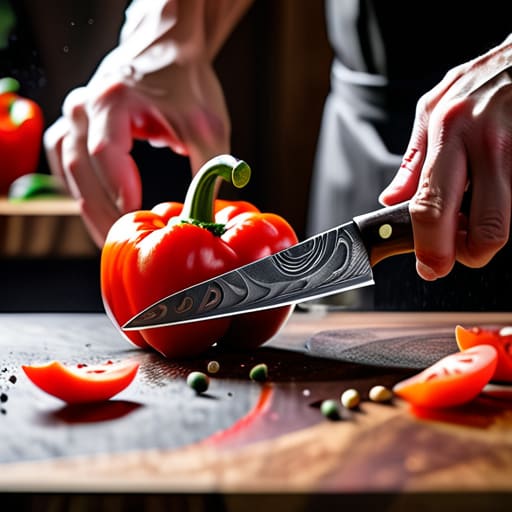
At the end of the day, mastering your knife skills isn’t about performing culinary acrobatics for a crowd; it’s about eliminating friction in your kitchen. By refining your grip, mastering the basic rock chop, and respecting the anatomy of your ingredients, you turn a tedious chore into a streamlined process. You stop fighting your tools and start working with them. Remember, the goal isn’t to be the fastest person in the room, but to be the most consistent and controlled. When your technique is sound, the prep work stops feeling like an obstacle between you and a decent meal.
I spent years in corporate roles where every minute felt like it was being bled dry by inefficiency. I learned early on that the small, repetitive tasks we ignore are often the ones that drain our mental bandwidth the most. Treat your knife skills the same way you would a professional workflow: build the foundation, automate the movement through practice, and then get out of your own way. Once you’ve mastered the fundamentals, you’ll find that the kitchen becomes a place of intentionality rather than chaos. Now, put the phone away, grab your board, and get to work.