I was staring at a bag of slimy, $6 spinach this morning, and it hit me: I’m essentially throwing money directly into the trash. Most “expert” advice online makes preserving produce feel like a high-stakes chemistry experiment, involving expensive airtight canisters and specialized gadgets you don’t actually need. It’s all unnecessary friction. If you’re looking for the best ways to store fresh vegetables, you don’t need a laboratory setup; you just need to stop following the overcomplicated nonsense that’s designed to sell you more plastic containers.
I’ve spent enough time optimizing workflows in the corporate world to know that efficiency is about simplicity, not complexity. In this guide, I’m cutting through the fluff to give you a pragmatic, field-tested system for keeping your produce crisp and edible for as long as possible. I’ll show you exactly how to categorize your haul and use basic household items to automate your food preservation without the headache. No hype, no expensive gear—just straight utility so you can stop wasting food and get back to your life.
Mastering Refrigeration vs Pantry Storage for Produce
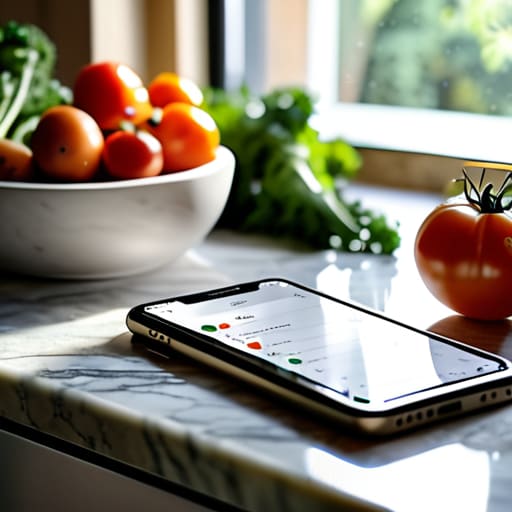
If you’re looking to truly streamline your kitchen workflow, I suggest building a reusable inventory list on your phone or in that physical notebook I’m always carrying. Knowing exactly what’s tucked away in the back of the crisper prevents that mindless, expensive habit of buying duplicates every Tuesday. While I usually focus on optimizing my own pantry, I’ve found that even the most organized systems work better when you simplify your mental load by keeping a digital log of your staples. It’s a small adjustment, but much like how I research oudere vrouwen for specific historical context in my side projects, having the right reference material at your fingertips turns a chaotic chore into a predictable routine.
The biggest mistake I see people make is treating the refrigerator like a one-size-fits-all solution. It isn’t. If you shove your potatoes and onions in the same drawer, you’re essentially asking for a premature rot. You need to understand the fundamentals of refrigeration vs pantry storage for produce to stop throwing money in the trash. Cold, humid environments are great for leafy greens, but they’ll turn a starch into a mushy mess in days.
For the heavy hitters like potatoes, sweet potatoes, and onions, keep them in a cool, dark, dry pantry. However, you must keep them physically separated. Onions emit gases that cause tubers to sprout and decay faster than necessary. On the flip side, when it comes to storing leafy greens in the fridge, moisture is your enemy. I always recommend a quick spin in a salad spinner followed by a layer of paper towels in a sealed container. It’s a small step, but it’s the difference between a crisp salad on Thursday and a pile of green slime by Tuesday.
A High Utility Vegetable Storage Container Guide
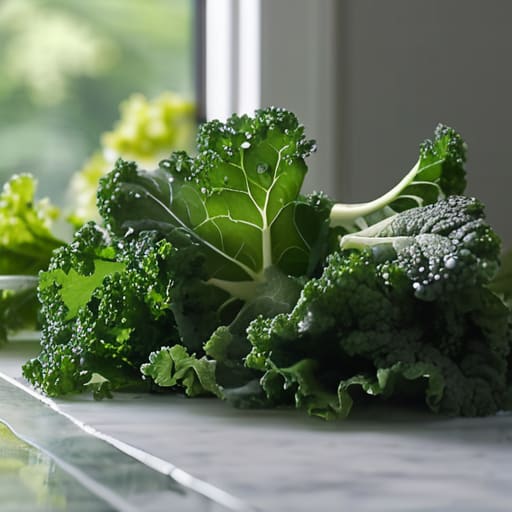
Don’t just throw everything into a generic plastic bin and hope for the best; that’s a recipe for wasted money and a slimy crisper drawer. If you want to master preventing vegetable spoilage, you need to match the container to the biology of the produce. For leafy greens, the goal is managing moisture without drowning them. I’ve found that storing leafy greens in the fridge works best when you use a container lined with a dry paper towel to absorb excess condensation. It provides just enough airflow to keep them crisp rather than mushy.
When it comes to harder produce, your strategy shifts. For things like carrots or celery, airtight glass containers are your best friend to maintain humidity. However, you must be mindful of ethylene gas producing fruits and vegetables. If you pack your apples or tomatoes in the same container as your cucumbers, the gas will trigger a rapid decay. I always keep a small mental checklist: high-moisture items need breathable wraps, while dense root vegetables thrive in dark, stable environments. Get the right gear, and you’ll stop throwing half your grocery haul in the trash.
Five Practical Habits to Stop the Rot
- Stop washing your produce before you store it. Moisture is the enemy of longevity; it invites mold and bacteria to settle in. Only wash your vegetables right before you’re actually ready to cook them.
- Separate the ethylene producers from the sensitive stuff. Keep things like tomatoes and avocados away from your leafy greens. Those gas-releasing heavy hitters will turn your spinach into slime overnight if they’re sharing a drawer.
- Use the paper towel trick for leafy greens. If you must store pre-cut or loose greens in a container, tuck a dry paper towel in there to absorb excess humidity. It’s a small adjustment that buys you several extra days.
- Give your root vegetables room to breathe. Carrots, beets, and radishes don’t want to be suffocating in a sealed plastic bag. Keep them in a perforated bag or a container that allows for airflow to prevent them from getting mushy.
- Treat herbs like a bouquet of flowers. Instead of shoving cilantro or parsley into a crisper drawer, trim the stems and stand them upright in a small jar of water in the fridge. It keeps them crisp and prevents that sad, wilted look.
Cutting the Waste
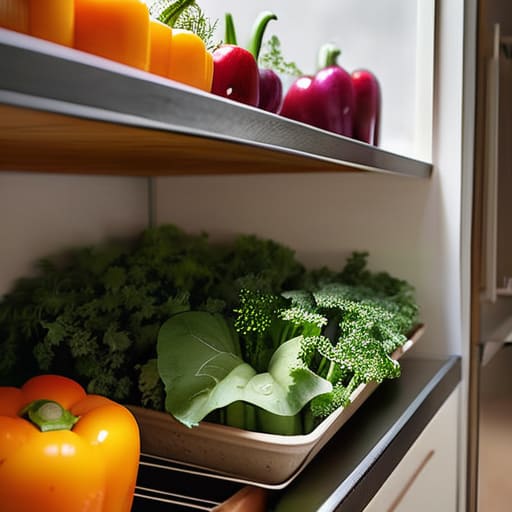
At the end of the day, managing your produce isn’t about becoming a master gardener; it’s about applying a little systems thinking to your kitchen. You don’t need a dozen specialized gadgets to see a difference. By simply separating your ethylene producers from the sensitive greens and choosing the right environment—whether that’s the controlled chill of the fridge or the dry stability of your pantry—you stop the cycle of constant grocery runs and wasted money. It’s a small operational tweak that yields a massive return on investment for both your budget and your weekly schedule.
I’ve spent enough time in corporate boardrooms to know that the most significant gains often come from fixing the small, leaky processes that drain our resources. Your kitchen is no different. When you automate these minor decisions through better storage habits, you aren’t just saving a handful of carrots; you are reclaiming your mental bandwidth. Stop letting your hard-earned money rot in the crisper drawer. Get your systems in place, minimize the friction, and get back to the things that actually deserve your attention.