We’ve all been there. It’s 6:30 PM, your brain is fried from a day of back-to-back meetings, and the last thing you want to do is navigate a complex, twelve-step culinary masterpiece. Most people treat cooking like another high-stakes project management task, but when you’re exhausted, that’s exactly what it feels like. You don’t need a gourmet experience; you need something that hits the spot without draining your remaining mental bandwidth. That’s why I’ve spent time curating a selection of easy comfort food recipes that prioritize utility over vanity.
In this list, I’m cutting through the noise to give you eight specific, high-impact meals. These aren’t just random ideas; they are streamlined solutions designed to get decent food on your table with minimal cleanup and zero stress. I’ll show you how to leverage a few key ingredients to create maximum satisfaction while preserving your most valuable resource: your time. Let’s get straight to the utility and find your new weeknight staples.
Table of Contents
The One-Pot Pasta Method
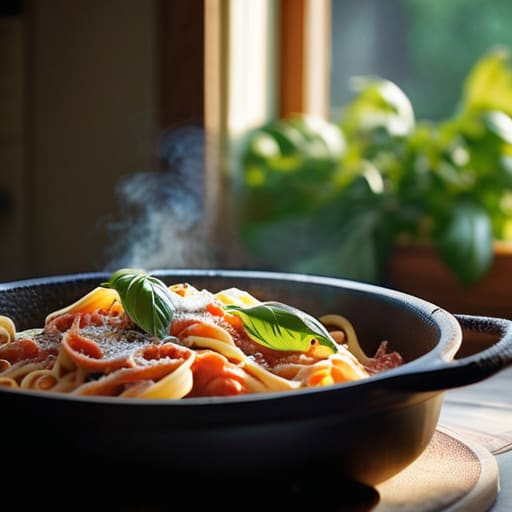
I don’t have the patience for a sink full of dishes after a long day of consulting. The secret to a decent meal is the one-pot pasta technique, where you throw your noodles, aromatics, and sauce base into a single vessel at once. It’s not about culinary perfection; it’s about eliminating the cleanup so you can actually enjoy your evening.
Sheet Pan Roasted Chicken and Roots
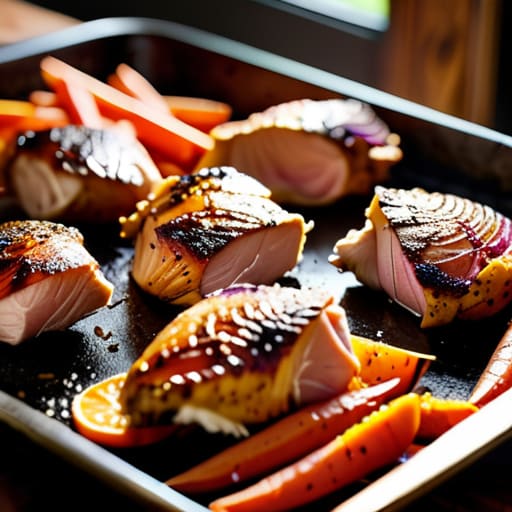
If you want a meal that feels substantial but requires almost zero active management, look toward the sheet pan. Toss some chicken thighs and chopped root vegetables—carrots, sweet potatoes, or onions—in olive oil and salt, then let the oven do the heavy lifting. I call this passive cooking for a reason; you set the timer and walk away.
Elevated Grilled Cheese

We need to stop treating grilled cheese like a childhood snack and start treating it like a high-utility tool for hunger. Ditch the cheap processed slices and grab a decent sharp cheddar or gruyère. Use real butter on the outside of the bread to ensure a consistent, golden crust every single time.
Slow Cooker Beef Stew
I’ve learned that the best way to manage a busy week is to delegate your cooking to a machine. A slow cooker is essentially a set-and-forget system for your kitchen. Throw in some beef chunks, stock, potatoes, and herbs in the morning, and the complexity of the meal is handled while you’re out in the field.
The Adult Quesadilla
There is a fine line between a lazy meal and a smart one. A quesadilla is the latter if you use it correctly. Skip the flour tortillas that taste like nothing and find something with a bit of structural integrity. Use a high-quality cheese that actually melts rather than just sweating oil.
Loaded Baked Potatoes
A potato is perhaps the most undervalued asset in any kitchen. It is cheap, shelf-stable, and incredibly versatile. If you bake a few large russets at the start of the week, you have a foundation for a meal that can be adapted to whatever leftovers you have in the fridge.
Pantry Pasta Aglio e Olio
There will be nights when your fridge is looking sparse and your energy is even lower. This is when you rely on the pantry. Garlic, olive oil, red pepper flakes, and pasta are the essential components of a meal that costs pennies but tastes like something you actually tried to make.
Breakfast for Dinner
Sometimes the most efficient way to handle dinner is to simply look backward. Scrambled eggs and toast are not just for 7:00 AM. When you’re mentally drained, the low cognitive load of making eggs is a massive advantage. You don’t have to think about seasoning profiles or complex timing.
The Philosophy of the Plate
Comfort food shouldn’t be a logistical nightmare. If a recipe requires twenty ingredients and two hours of standing over a stove, it’s not comfort—it’s a chore. Real comfort is about high-utility nourishment that hits the spot without draining your mental bandwidth.
Marcus Holloway
Cutting Through the Kitchen Chaos
At the end of the day, these eight recipes aren’t about achieving culinary perfection or mastering complex French techniques. They are about reducing friction. Whether you’re leaning on a one-pot pasta to save on cleanup or utilizing a slow cooker to automate your evening, the goal remains the same: getting a decent, nourishing meal on the table without the mental overhead. Stop treating dinner like a high-stakes project that requires hours of prep and a sink full of dishes. Focus on the utility of the meal—the fuel that keeps you going and the comfort that helps you decompress after a long day of navigating the noise.
I’ve spent a lot of my career looking for ways to optimize systems, and I can tell you that your kitchen is no different. When you simplify your food choices, you reclaim more than just time; you reclaim your mental bandwidth. Don’t let the pressure to cook something “impressive” turn a simple Tuesday night into a source of stress. Pick a recipe, execute it with minimal fuss, and get back to the things that actually matter to you. Life is far too short to spend it fighting with complicated recipes when simplicity is the ultimate efficiency.
Frequently Asked Questions
Can I prep these meals ahead of time on a Sunday to save more time during the week?
Absolutely. In fact, if you aren’t prepping on Sunday, you’re leaving mental bandwidth on the table. I treat meal prep like an operational workflow: do the heavy lifting once to reduce friction later. Chop your vegetables, portion out your proteins, and get your grains going while you listen to a record. It turns a chaotic Tuesday night into a simple matter of assembly. Prep smart, eat well, and reclaim your weeknights.
What are the best ways to swap out ingredients if I have specific dietary restrictions or allergies?
Don’t let a dietary restriction turn a simple meal into a logistical nightmare. Treat recipes like modular synths: if one component doesn’t fit the circuit, swap it for a functional equivalent. For dairy, coconut milk or cashew cream works wonders. If you’re avoiding gluten, look for tamari instead of soy sauce. The goal isn’t perfection; it’s utility. Find a substitute that maintains the texture and flavor, then get back to enjoying your meal.
How do I keep these recipes from feeling like "junk food" while still keeping them easy?
The trick is to treat the “easy” part as the base, not the finish line. Don’t swap the comfort for a salad; just upgrade the ingredients. Use real butter instead of margarine, swap processed pasta for something with a better grain profile, and throw in a handful of baby spinach or roasted peppers at the last second. It adds micronutrients and texture without adding complexity. Keep the soul of the dish, just lose the empty calories.
Which of these recipes freeze and reheat the best without losing their texture?
If you’re looking to batch-cook for the long haul, stick to the stews, chili, and braised meats. These recipes actually improve with time because the flavors have more room to develop. Avoid anything with delicate textures—like cream-based sauces or crispy elements—as they’ll turn into a grainy mess once reheated. If it’s liquid-heavy and hearty, it’ll survive the freezer. Focus on the stuff that holds its integrity under pressure.