I spent most of my twenties in corporate boardrooms where “fine dining” often meant paying a 300% markup for a tiny piece of salmon that was overcooked into something resembling a dry sponge. Most people treat a trip to the seafood counter like a high-stakes gamble, terrified that they’ll ruin an expensive fillet by following some convoluted, five-star recipe that requires tools they don’t own. Honestly, the internet has made learning how to cook fish feel like a technical manual for a jet engine, when it really shouldn’t be that difficult.
I’m not here to give you a lecture on molecular gastronomy or tell you that you need a sous-vide machine to eat well. My goal is to strip away the noise and give you a functional framework that works every single time. I’m going to show you how to master heat, timing, and seasoning so you can stop stressing about the kitchen and start enjoying your dinner. We’re going to focus on high-utility methods that respect your time and your palate, cutting straight to the results.
Table of Contents
The Best Way to Season Fish for Maximum Flavor
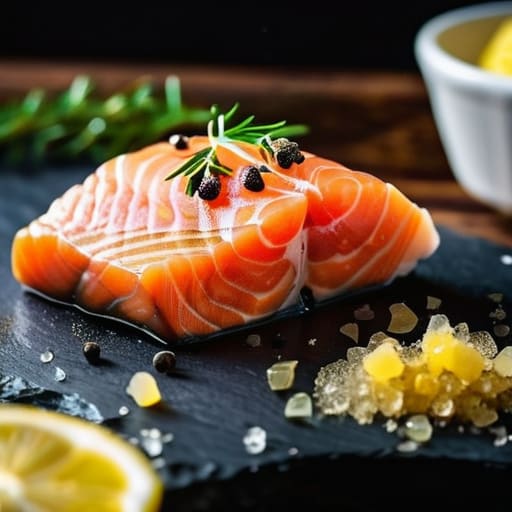
The mistake I see most often is people treating a piece of fish like a heavy steak. You don’t need a dry rub that looks like it belongs on a brisket. When it comes to the best way to season fish, simplicity isn’t just a preference; it’s a necessity to avoid masking the delicate flavor of the protein. Start with the basics: high-quality kosher salt and freshly cracked black pepper. If you’re working with something mild like cod or halibut, a squeeze of lemon and a touch of dried herbs is plenty. If you’re tackling something richer, like salmon, don’t be afraid to lean into acidity or even a bit of garlic butter.
The real trick, however, is timing. If you salt your fillet too early and let it sit, the salt will draw out moisture, leaving you with a texture that’s more “rubbery” than “flaky.” I prefer to season my fish immediately before it hits the heat. This preserves the integrity of the flesh and ensures you aren’t fighting against a soggy surface. Keep your spice rack lean and your focus sharp. You aren’t looking for a culinary spectacle; you’re looking for a meal that tastes like the ocean, not a spice cabinet.
Choosing the Right Types of Fish for Beginners
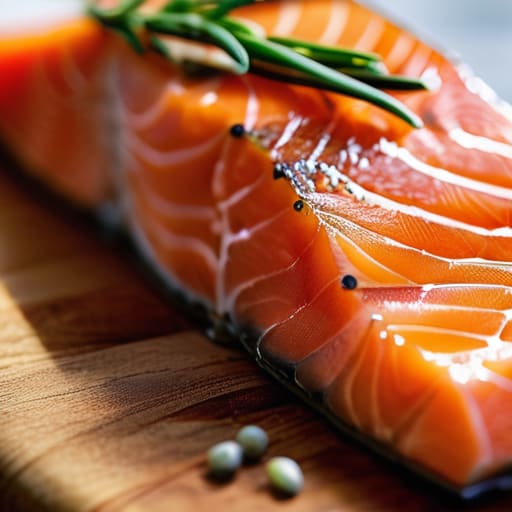
If you’re just starting out, don’t walk into the seafood aisle and feel pressured to buy something exotic or expensive. Most people fail because they pick a finicky, high-maintenance species that demands perfect timing and professional technique. For a beginner, I recommend sticking to the types of fish for beginners that are forgiving: salmon, tilapia, or cod. Salmon is my go-to because its higher fat content makes it almost impossible to dry out, while white fish like cod or halibut are excellent canvases for whatever flavors you’re experimenting with.
The goal here is to minimize friction. If you choose a delicate fillet, you’ll spend the whole time worrying about it breaking apart in the pan. Instead, look for something with a bit of structure. When you’re browsing, aim for fillets that look firm and smell like the ocean—not like anything sitting in a container for too long. Mastering a few reliable staples is the most efficient way to build confidence. Once you can handle a piece of salmon without stress, you’ll have the foundation needed for more complex healthy seafood preparation tips and more advanced culinary projects.
Five Rules to Keep Your Fish from Becoming a Disaster
- Dry the skin thoroughly. I don’t care how much paper towel you use; if that surface is damp, you’re steaming the fish instead of searing it. Pat it down until it’s bone-dry to ensure you actually get that crispy texture.
- Stop using a timer. Fish is too temperamental for a rigid schedule. Use your eyes and a fork instead. The moment the flesh turns opaque and flakes easily under light pressure, pull it off the heat. Overcooking is the fastest way to turn a premium fillet into something resembling rubber.
- Get the pan hot before the fish touches it. If you drop cold fish into a lukewarm pan, you’re just inviting it to stick. Wait for the oil to shimmer—or even just barely smoke—before you lay it down.
- Don’t touch it. Once the fish hits the pan, leave it alone. I know it’s tempting to poke at it to see if it’s cooking, but you’ll only break the delicate structure. Let the heat do the work and wait for it to naturally release from the pan.
- Invest in a decent thermometer, but use it sparingly. If you do use one, aim for the thickest part of the fillet and pull it off the heat a few degrees early. Residual heat will finish the job while it rests on your plate.
The Philosophy of the Pan
Cooking fish isn’t about mastering a complex recipe; it’s about managing heat and knowing when to walk away. If you respect the ingredient and stop fighting the clock, you’ll stop serving rubbery, overdone mistakes.
Marcus Holloway
Cutting Through the Complexity
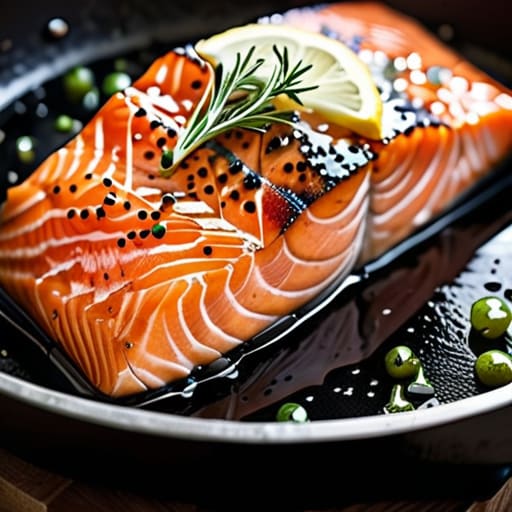
At the end of the day, cooking fish doesn’t require a culinary degree or a kitchen full of specialized gadgets. It comes down to three fundamental pillars: picking a high-quality fillet, seasoning it with purpose rather than excess, and respecting the heat. If you can master the art of not overcooking the protein and choosing the right fat for your pan, you’ve already won half the battle. Stop worrying about the fancy techniques you see on television and focus on the utility of simplicity. Keep your pantry stocked with the basics, keep your pans hot, and don’t let the fear of a ruined meal keep you from the stove.
I’ve spent a lot of my career looking for ways to optimize systems, and I’ve realized that the best systems are often the simplest ones. Cooking shouldn’t be another source of friction in your day; it should be a way to refuel and reset. Once you strip away the unnecessary noise, you’ll find that preparing a decent meal is actually quite intuitive. My advice? Get in there, make a few mistakes, and learn the rhythm of the kitchen. Eventually, you won’t even need a recipe—you’ll just know. Now, put down the phone, grab a pan, and get to work.
Frequently Asked Questions
How do I know if the fish is actually done without overcooking it?
Stop guessing and stop hovering over the stove. The most reliable way to tell if your fish is done is with a digital meat thermometer. Aim for an internal temperature of 145°F (63°C), but pull it off the heat a few degrees early; carryover cooking will do the rest. If you don’t have a thermometer, use a fork to gently flake the thickest part. If it separates easily and looks opaque, it’s ready.
Is it worth the extra cost to buy frozen fish instead of fresh?
Don’t fall for the “fresh is always better” myth. It’s a marketing trap that costs you time and money. Most “fresh” fish at the grocery store has actually been sitting in transit for days. High-quality frozen fillets are often flash-frozen at sea, locking in nutrients and flavor better than anything sitting under a grocery store light. If you want to save money and reduce waste, buy frozen. Just thaw it properly.
What are the best tools I actually need in my kitchen, or can I get by with a basic pan?
You don’t need a drawer full of specialized gadgets. In fact, most of them are just friction in disguise. If you’re starting out, skip the fancy electric fillets and high-tech thermometers. You need one reliable heavy-bottomed skillet—cast iron or stainless steel is best for heat retention—and a flexible fish spatula to prevent tearing. That’s it. Master the heat control on a single good pan, and you’ve already won half the battle.
How do I stop my kitchen from smelling like a seafood market for the next three days?
The smell lingers because you’re treating the symptom, not the cause. First, clear the trash immediately; don’t let fish scraps sit in the bin overnight. Next, scrub your prep surfaces with a vinegar solution or lemon juice to neutralize the oils. For the air itself, skip the heavy candles. Simmer a small pot of water with lemon slices and rosemary on the stove. It’s simple, effective, and gets rid of the funk without the chemical headache.