I spent two decades in corporate operations, and if there is one thing I learned, it’s that most people treat their evenings like a second job they never applied for. You come home exhausted, stare at a kitchen full of potential chaos, and end up settling for takeout because the mental overhead of cooking feels too high. We need to stop treating meal prep like a complex logistical nightmare and start viewing it as a system to be optimized. Using simple sheet pan dinners is the most effective way to eliminate that friction; it’s about reducing the variables so you can actually reclaim your evening without sacrificing a decent meal.
In this guide, I’m stripping away the culinary fluff to give you eight high-utility combinations that actually work. I’ve curated these specific setups to ensure you get maximum flavor with minimal cleanup, focusing on ingredients that play well together under heat. By the end of this list, you’ll have a repeatable framework for automating your nutrition. We aren’t looking for gourmet complexity here; we are looking for reliable efficiency that lets you get off the clock and back to what matters.
Table of Contents
- Lemon-Garlic Salmon and Asparagus
- Sausage, Peppers, and Onions
- Balsamic Chicken Thighs and Root Vegetables
- Mediterranean Shrimp and Zucchini
- Beef and Broccoli Stir-Fry (Sheet Pan Style)
- Roasted Kielbasa and Cabbage Wedges
- Pesto Caprese Chicken
- Crispy Tofu and Cauliflower
- The Efficiency of One Pan
- Cut the Friction, Keep the Flavor
- Frequently Asked Questions
Lemon-Garlic Salmon and Asparagus
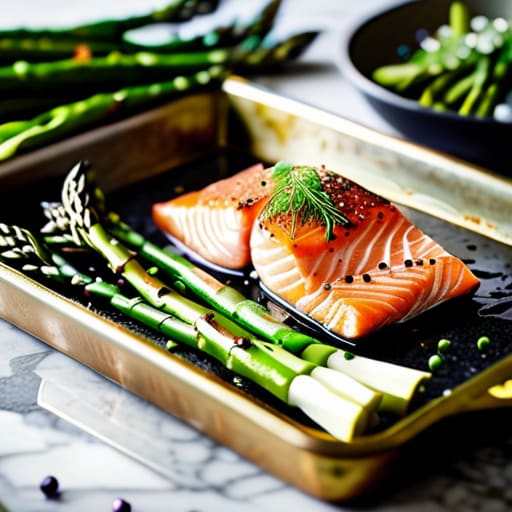
When I’m deep in a consulting project, the last thing I want to do is manage four different pots on a stove. This is my go-to for a high-protein reset that requires almost zero mental overhead. You just lay the fillets and the stalks on a single tray, drizzle with olive oil, and let the oven do the heavy lifting.
Sausage, Peppers, and Onions
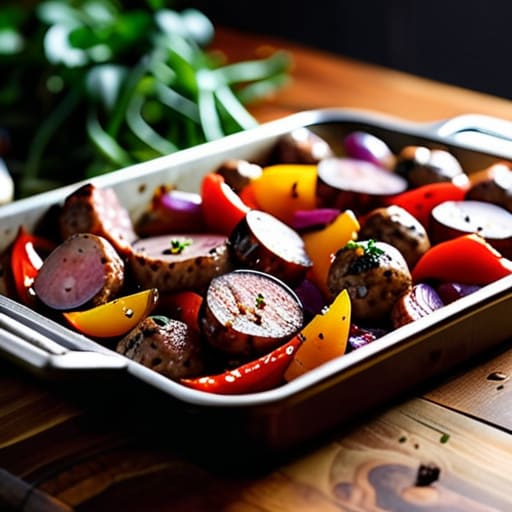
This is the ultimate “set it and forget it” meal for when you have a long evening of reading or tinkering with my synthesizers. I use high-quality Italian sausages—the kind that actually have flavor—and slice them into thick coins. Toss them in with bell peppers and red onions, and you’ve got a one-pan powerhouse that fills the house with a decent aroma.
Balsamic Chicken Thighs and Root Vegetables
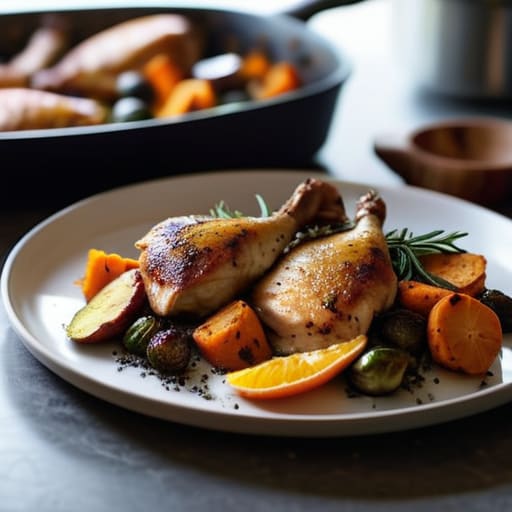
I’ve learned through years of managing complex operations that consistency is better than perfection. Chicken thighs are much more forgiving than breasts; they won’t turn into dry sawdust if you get distracted by a phone call. Pair them with halved Brussels sprouts and chopped sweet potatoes for a nutrient-dense fuel source that keeps you steady.
Mediterranean Shrimp and Zucchini
If you need something lighter that won’t leave you feeling sluggish for your evening deep-work session, this is the move. Shrimp cooks incredibly fast—usually under ten minutes—so you want to time this with your vegetables. I like to toss them with feta cheese and kalamata olives for a hit of salty, Mediterranean utility.
Beef and Broccoli Stir-Fry (Sheet Pan Style)
I know, I know—usually, stir-fry is a high-activity, wok-heavy process. But if you want to reclaim your time, you can cheat. Slice some flank steak thin and toss it on a tray with broccoli florets and a heavy dose of ginger and soy sauce. It’s a drastic simplification of a classic, but it works remarkably well.
Roasted Kielbasa and Cabbage Wedges
There is a certain pragmatic satisfaction in cooking ingredients that are basically indestructible. Cabbage wedges, when roasted, transform from a boring salad base into something sweet and crispy on the edges. Pair them with sliced kielbasa, and you have a meal that is virtually impossible to mess up.
Pesto Caprese Chicken
Sometimes you want something that feels a bit more indulgent without the actual effort of a multi-course meal. Take chicken breasts, spread a thick layer of high-quality pesto over them, and top with slices of fresh mozzarella and cherry tomatoes. It’s a flavor-dense strategy that relies on the quality of the ingredients rather than your technical skill.
Crispy Tofu and Cauliflower
For the days when I want to lean into a lighter, plant-based option, this is my standard operating procedure. The secret to avoiding “mushy” tofu is to press the water out first and toss it in a bit of cornstarch before roasting. It gives you that essential crunch that makes the meal feel substantial.
The Efficiency of One Pan
“Cooking shouldn’t feel like a second job. If a meal requires more than one pan and an hour of scrubbing, it’s not a dinner—it’s a logistical failure. A good sheet pan meal is about reclaiming your evening by automating the cleanup before you even sit down to eat.”
Marcus Holloway
Cut the Friction, Keep the Flavor
At the end of the day, these recipes aren’t about becoming a gourmet chef; they are about operational efficiency in your own kitchen. By leaning on high-heat roasting and single-pan logistics, you’ve effectively eliminated the most draining parts of your evening: the mountain of dishes and the decision fatigue that comes with a hungry household. Whether you’re opting for the classic salmon and asparagus or the heavier roasted root vegetables, the goal remains the same: minimizing the overhead of meal prep so you can actually enjoy the food you’re eating.
I spent years thinking that “doing more” meant more complexity, more steps, and more tools. I was wrong. Real mastery is knowing when to simplify. Use these sheet pan methods to automate your nutrition, reclaim your post-work hours, and stop letting the kitchen become a second job. Once you’ve cleared the mental clutter of “what’s for dinner,” you’ll find you have much more room to focus on the things that actually matter. Now, get off the screen, go prep something, and go enjoy your night.
Frequently Asked Questions
How do I prevent some ingredients from turning to mush while others are still raw?
The mistake most people make is treating the pan like a race where everyone starts at the same time. They don’t. If you’re throwing delicate asparagus in with thick-cut chicken thighs, you’re asking for mush.
Can I prep these pans a day in advance, or will the vegetables get soggy?
You can definitely prep them a day ahead, but don’t mix everything in one bag. If you toss pre-cut vegetables with salt too early, they’ll weep moisture and turn into a soggy mess. My rule: chop your veggies and proteins, store them in airtight containers, but wait to add the oil, salt, and seasonings until right before they hit the oven. That keeps the texture sharp and the prep efficient.
What’s the best way to clean the pan without spending twenty minutes scrubbing?
Don’t reach for the steel wool yet. The moment you plate your food, while the pan is still warm, hit it with some hot water and a generous amount of dish soap. If things are really stuck, dump in some water and a splash of vinegar, bring it to a simmer on the stove for five minutes, and let the heat do the heavy lifting. Scrape the residue, rinse, and get back to your evening.
Do I need to buy specific heavy-duty pans, or will any standard baking sheet work?
Don’t overcomplicate this. You don’t need a specialized kit to get started. Any standard rimmed baking sheet will do the job. If you’re looking to upgrade later, I’d suggest investing in a heavy-gauge aluminum pan—they distribute heat more evenly and won’t warp in a hot oven. But for now? Use what you have in the cupboard. The goal is to reduce friction, not add a shopping trip to your to-do list.