I spent two decades in corporate operations, where I learned that the most expensive resource you own isn’t your money—it’s your decision fatigue. By the time most of us finish a workday, the mental bandwidth required to figure out a healthy dinner feels like an insurmountable task. We end up settling for overpriced takeout or processed snacks because the alternative feels too complex. I’ve found that the secret to maintaining a high-functioning life isn’t about radical lifestyle changes; it’s about finding easy vegetarian recipes that remove the friction from your evening routine without sacrificing nutrition.
I’m not here to give you a lecture on ethics or a list of ingredients you can’t find at a local grocer. Instead, I’ve curated eight specific, high-utility meals designed to get you fed and back to your life in minimal time. These aren’t just recipes; they are systems for survival in a busy world. We’re going to focus on maximum flavor and minimum cleanup, ensuring that your kitchen works for you, rather than becoming another item on your endless to-do list. Let’s get to work.
Table of Contents
The One-Pan Chickpea Roast
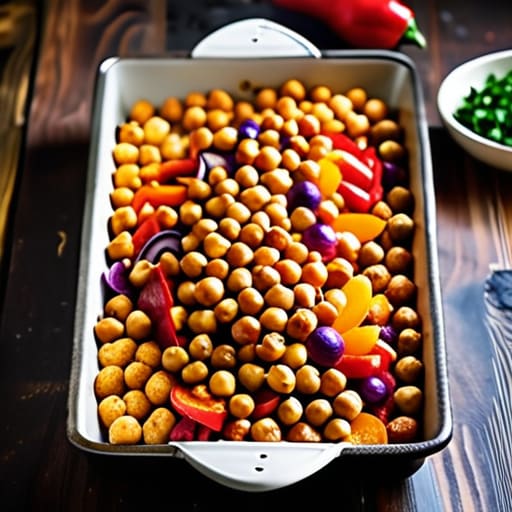
Most people overcomplicate dinner by thinking they need a dozen different pots and pans. I don’t have time for that, and neither do you. Throw a can of rinsed chickpeas, some chopped bell peppers, and red onion onto a single baking sheet. Drizzle with olive oil, add smoked paprika, and let the oven do the heavy lifting for about twenty minutes.
Pesto Pasta with Frozen Peas
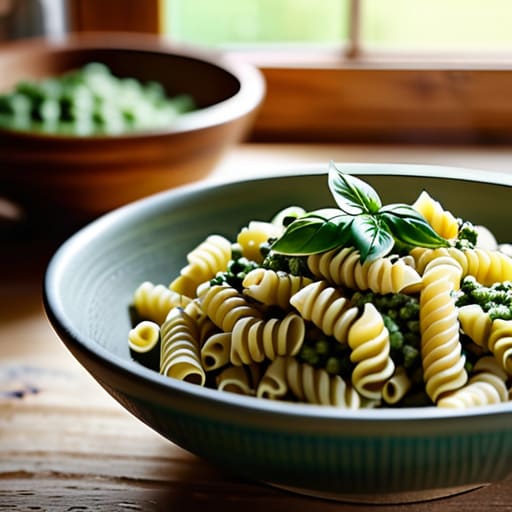
When I’m deep in the middle of a consulting project, I need food that takes less than ten minutes to prepare. This is my go-to. Boil your favorite pasta shape, and in the last two minutes of cooking, toss a handful of frozen peas directly into the boiling water. Drain it all together, then stir in a high-quality store-bought pesto.
Black Bean Quesadillas
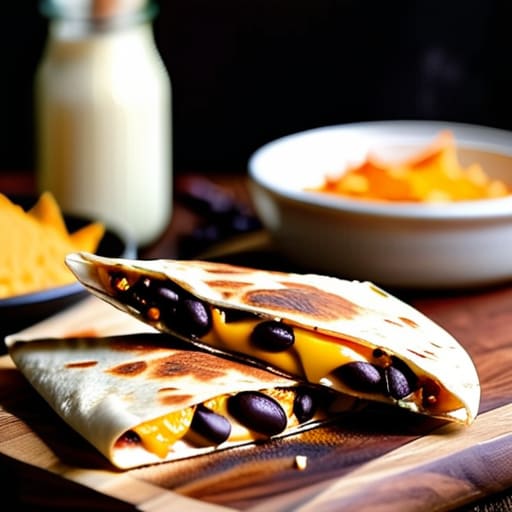
There is a certain elegance in simplicity, and nothing beats a well-executed quesadilla. Grab some flour tortillas, spread a layer of canned black beans (drain them first, please), and add a generous amount of sharp cheddar. Fold them over and crisp them in a dry pan until the cheese is molten.
Sheet Pan Halloumi and Veggies
Halloumi is a bit of a cheat code for vegetarians. Because it has a high melting point, you can roast it just like a vegetable, and it provides a meaty texture that makes the meal feel substantial. Slice the cheese and toss it on a tray with zucchini, cherry tomatoes, and eggplant.
Red Lentil Dahl
If you want to meal prep something that actually tastes better the next day, lentils are your best friend. Red lentils cook incredibly fast compared to other legumes, meaning you aren’t standing over a stove for an hour. Sauté some garlic, ginger, and turmeric, add the lentils and a can of coconut milk, and let it simmer until soft.
Caprese Avocado Toast
Breakfast for dinner is a valid strategy when your schedule is falling apart. Toast a thick slice of sourdough, smash half an avocado on top, and layer on some fresh mozzarella slices and halved cherry tomatoes. A quick drizzle of olive oil and a crack of black pepper finishes it off.
Greek Chickpea Salad
When it’s too hot to turn on the oven, don’t fight the heat. Chop up some cucumbers, tomatoes, and olives, then toss them with a can of chickpeas and some crumbled feta cheese. Use a simple lemon and olive oil dressing to tie the whole thing together.
Mushroom and Spinach Omelet
Eggs are the ultimate tool for the efficient cook. Sauté a handful of sliced mushrooms and some spinach until they’ve wilted, then pour two or three whisked eggs directly over the top. A little bit of goat cheese or parmesan adds a layer of sophistication with almost zero extra effort.
The Philosophy of the Plate
“Eating well shouldn’t feel like a second job. If a recipe requires twenty different ingredients and an hour of prep you don’t have, it’s not a meal—it’s a logistical error. True efficiency is finding that sweet spot where nutrition meets minimal friction.”
Marcus Holloway
Cutting the Kitchen Friction
At the end of the day, these recipes aren’t about becoming a gourmet chef or following a complex culinary manifesto. They are about eliminating decision fatigue. Whether you’re leaning on the one-pan roasted chickpeas or the quick lentil stew, the goal is the same: getting high-quality nutrition into your system without turning your kitchen into a second job. By keeping your pantry stocked with these core staples, you move from a state of constant “what’s for dinner?” anxiety to a streamlined system of predictable, efficient refueling. Stop overthinking the ingredients and start focusing on the execution.
I spent years in corporate operations learning that the most successful systems are the ones that require the least amount of maintenance. Your diet should work the same way. Don’t let the pursuit of a “perfect” meal become another source of unnecessary friction in your schedule. Use these tools to automate your nutrition, reclaim your evening bandwidth, and get back to the things that actually move the needle in your life. Once you master the basics of simplicity, you’ll realize that eating well doesn’t have to be a chore—it’s just another process to optimize.
Frequently Asked Questions
How do I ensure I'm getting enough protein without constantly cooking lentils or beans?
Look, I get it. If I had to boil a pot of lentils every single evening, I’d quit eating vegetarian. The trick isn’t more cooking; it’s better sourcing. Keep high-protein staples in your pantry that require zero prep: hemp hearts, nutritional yeast, and roasted chickpeas. Keep Greek yogurt or silken tofu in the fridge for quick additions. Build your meals around these “plug-and-play” proteins so you can spend your time on things that actually matter.
Can I prep these meals in bulk on Sundays, or will they lose their texture by Wednesday?
Most of these hold up well, but let’s be pragmatic: texture is the enemy of meal prepping. Grains and hearty legumes are your best friends for Sunday prep; they actually improve as they marinate. However, if a recipe relies on crisp greens or delicate textures, prep the components separately and assemble them right before eating. Don’t sacrifice quality for convenience. Use airtight glass containers to keep things fresh and minimize the mid-week slump.
What are the essential pantry staples I need to keep on hand to make these recipes work on short notice?
To make these recipes work when you’re short on time, you need a foundation of high-utility ingredients. Don’t overcomplicate it. Keep dried lentils, chickpeas, and quinoa on hand for quick proteins. Stock up on canned tomatoes, coconut milk, and vegetable broth for instant bases. Finally, ensure your spice rack has the essentials: cumin, smoked paprika, and red pepper flakes. If you have these, you can turn a handful of vegetables into a real meal in minutes.
How do I manage the grocery budget when vegetable prices seem to fluctuate every week?
Stop chasing the market. If you try to buy what looks good on the shelf every Tuesday, you’ll lose the budget war. Instead, shop the seasonal cycles and buy frozen. Frozen vegetables are picked at peak ripeness and, more importantly, they don’t rot in your crisper drawer while you’re working late. Build your meal plan around what’s cheap and abundant right now, not what a recipe tells you to buy. Stick to the plan.