I spent two decades in corporate operations, where I learned that the most expensive thing you own isn’t your car or your house—it’s your time. Most of us spend far too much of our evening bandwidth stuck in a cycle of prep, cooking, and then the inevitable, soul-crushing mountain of dishes. We try to eat well, but the friction of a complex kitchen setup usually wins, leading to expensive takeout and wasted mental energy. That’s why I’ve become obsessed with streamlining my kitchen workflow through easy one pot meals. If you can’t prepare a decent dinner without turning your kitchen into a disaster zone, you aren’t being efficient; you’re just working for free after your actual job is done.
In this guide, I’m cutting through the culinary noise to give you eight high-utility recipes that prioritize both nutrition and minimal cleanup. These aren’t just random suggestions; they are tactical solutions designed to help you reclaim your evening. I’ll show you exactly how to leverage a single vessel to produce maximum flavor with zero unnecessary complexity. Let’s get to the utility.
Table of Contents
- The Sunday Night Beef Stew
- Lemon Garlic Chicken and Orzo
- One-Pan Sausage and Pepper Roast
- Red Lentil Dahl
- Pesto Pasta with Cherry Tomatoes
- Mediterranean Shakshuka
- Shrimp and Asparagus Stir-Fry
- Black Bean and Corn Quesadillas
- The Efficiency of the Single Pan
- Reclaim Your Evenings
- Frequently Asked Questions
The Sunday Night Beef Stew
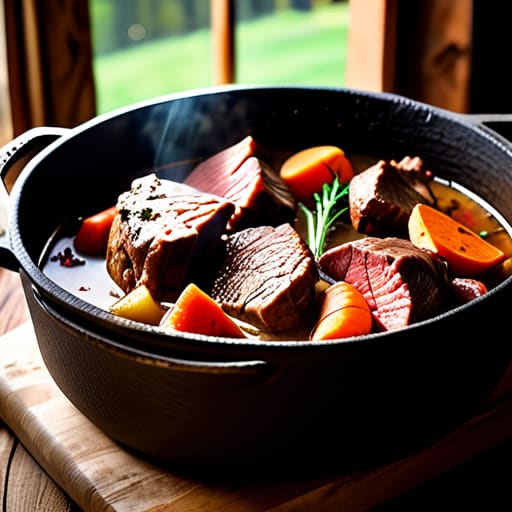
There is nothing quite like a slow-simmered beef stew to anchor your week. I like to throw chunks of chuck roast, root vegetables, and a decent stock into a heavy Dutch oven and let the heat do the heavy lifting while I focus on other things. It’s the ultimate low-maintenance fuel for someone who doesn’t want to hover over a stove for an hour.
Lemon Garlic Chicken and Orzo
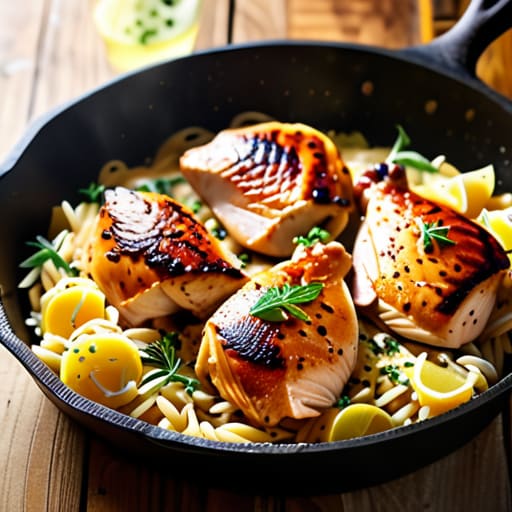
If you need something that feels a bit more refined but still fits within a single pan, this is my go-to. You sear the chicken thighs first to lock in the flavor, then toss the orzo directly into the same pan with some chicken broth and lemon. The starch from the pasta creates a natural sauce that binds everything together without needing a dozen extra condiments.
One-Pan Sausage and Pepper Roast
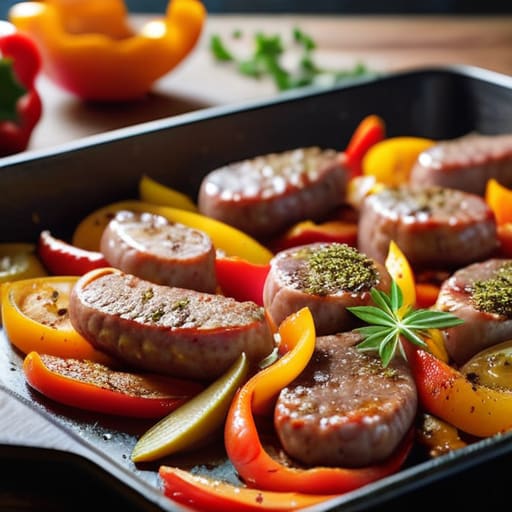
This is what I call the “set it and forget it” method for busy weekdays. You slice up some high-quality sausages, bell peppers, and onions, toss them in olive oil and dried oregano, and spread them across a sheet pan. You aren’t even really “cooking” here; you are simply managing a process that the oven completes for you.
Red Lentil Dahl
For those days when you want to keep things light but incredibly satiating, a red lentil dahl is unbeatable. You throw lentils, coconut milk, turmeric, and spices into a single pot and let them soften into a creamy consistency. It’s a high-fiber powerhouse that requires almost no technical skill to execute.
Pesto Pasta with Cherry Tomatoes
This is my “emergency” meal for when the workday has run long and my patience for complexity is zero. You boil your pasta, and in the last three minutes, you toss in a handful of cherry tomatoes. Drain it, stir in a high-quality jarred pesto, and you are done. It’s maximum utility with minimal effort.
Mediterranean Shakshuka
Most people think of eggs as a breakfast-only affair, but shakshuka is a masterclass in one-pan dinner efficiency. You simmer a spiced tomato sauce in a skillet, crack a few eggs directly into the liquid, and cover it until the whites are set. It’s a single-vessel solution that feels incredibly hearty.
Shrimp and Asparagus Stir-Fry
When you need protein fast, shrimp is your best ally because it cooks in a matter of minutes. Toss some asparagus spears and shrimp into a hot pan with ginger, garlic, and a splash of soy sauce, and you have a meal that is ready before you can even finish a phone call. It is the speed-demon of one-pan cooking.
Black Bean and Corn Quesadillas
This isn’t just for college students; it’s a pragmatic tool for anyone looking to bypass the kitchen entirely. By using a single skillet to crisp up tortillas filled with beans, corn, and cheese, you create a meal that is dense in nutrients and incredibly fast to assemble.
The Efficiency of the Single Pan
“A kitchen shouldn’t be a source of friction. Every extra pan you have to scrub is just more mental clutter stealing your evening. Master the one-pot meal, and you aren’t just saving time on cleanup—you’re reclaiming your ability to actually relax once the work is done.”
Marcus Holloway
Reclaim Your Evenings
At the end of the day, these eight recipes aren’t just about food; they are about reducing decision fatigue. Whether you’re leaning into a hearty one-pot pasta or a streamlined sheet-pan protein, the goal remains the same: minimize the prep, maximize the nutrition, and eliminate the cleanup. By shifting your cooking strategy from complex, multi-stage processes to these high-utility methods, you stop letting your kitchen dictate your schedule. You’re not just making dinner; you’re building a system that works for you, rather than forcing you to work for it.
I’ve spent enough years in high-pressure environments to know that the small frictions—like a sink full of dirty pans at 8:00 PM—are what eventually drain your battery. We often think we need more time, but what we actually need is more intentionality. Use these one-pot methods to automate the mundane aspects of your evening routine. Once the dishes are minimal and the cooking is predictable, you finally have the mental bandwidth to actually sit down, enjoy your meal, and focus on what matters. Now, go close the laptop and get to cooking.
Frequently Asked Questions
How do I prevent the ingredients at the bottom of the pot from burning while the rest of the meal cooks?
It comes down to heat management and liquid ratios. Most people crank the flame to high, thinking it speeds things up—it doesn’t; it just scorches the base. Keep it at a low simmer. Also, don’t skimp on the liquid. If you’re making something dense, add a splash more stock or water than the recipe calls for. If you see sticking, scrape the bottom immediately to incorporate those flavors without the burn.
Can I use a slow cooker or an Instant Pot for these recipes, or are they strictly stovetop-focused?
You can absolutely adapt these for a slow cooker or an Instant Pot. In fact, I’m a big proponent of using them to reclaim your evening. If you’re using a slow cooker, just increase your liquid slightly and expect a longer timeline. For the Instant Pot, keep an eye on the pressure settings to avoid mushy textures. The goal is utility—use whatever tool removes the most friction from your schedule.
What’s the best way to scale these recipes up if I’m meal prepping for the entire week?
Don’t just double the ingredients and hope for the best; that’s how you end up with mushy textures. Scale your proteins and hardy vegetables linearly, but be conservative with spices and liquids. Large batches retain more moisture and trap heat longer, which can overcook your food during the cooling phase. I find it’s more efficient to prep your components in bulk and combine them in smaller, controlled portions when it’s time to eat.
How do I know when to add specific ingredients so nothing turns to mush in a single pot?
Timing is everything. If you dump everything in at once, you’ll end up with a bowl of mush instead of a meal. Think of it as a hierarchy of structural integrity. Start with your aromatics and proteins to build the base. Add hearty vegetables like carrots or potatoes midway. Save the delicate stuff—spinach, peas, or soft herbs—for the final two minutes. Control the sequence, and you control the texture.