I remember standing in the middle of a brightly lit supermarket aisle five years ago, staring at a carton of organic eggs and a bag of artisanal kale, wondering why my bank account felt so much lighter than my grocery cart. I had all the “smart” apps and the color-coded spreadsheets, yet I was still bleeding cash every single week. The truth is, most advice on how to make a grocery budget is designed to make you feel like a mathematician rather than a person just trying to eat decent meals. We don’t need more complex algorithms or lifestyle hacks that require forty minutes of prep; we need systems that actually work when we’re tired and hungry.
I’m not here to sell you on a radical lifestyle overhaul or a diet of beans and rice. My goal is to show you how to build a frictionless framework that handles the heavy lifting for you. I’ll walk you through a pragmatic, step-by-step method to automate your spending and eliminate the decision fatigue that kills your willpower. We’re going to cut through the noise and focus on practical utility so you can reclaim your time and your money. Let’s get to work.
Table of Contents
Mastering Monthly Food Expense Tracking

Most people treat their grocery spending like a black hole—money goes in, and at the end of the month, they’re left wondering where it all went. If you want to stop the bleed, you need a system for monthly food expense tracking that doesn’t require a PhD in accounting. I don’t care if you use a spreadsheet, a specialized app, or my trusty pocket notebook; the method matters less than the consistency. The goal isn’t to obsess over every cent, but to identify the patterns. Are you overspending on convenience items because you’re too tired to cook? Or is your budget leaking through impulse buys at the checkout line? Once you see the data, you can actually make decisions instead of just reacting to your bank balance.
Once you have a baseline, you can start applying some leverage. I’ve found that the most effective way to keep these numbers stable is to integrate meal planning for savings directly into your tracking routine. When you know what you’re eating, you stop buying “just in case” ingredients that inevitably end up rotting in the crisper drawer. It’s about reducing friction between your intent and your actions. If you can align your shopping list with a predictable meal cycle, you aren’t just saving money—you’re reclaiming the mental energy you usually waste on the “what’s for dinner” dilemma.
Streamlining Your Grocery List Organization
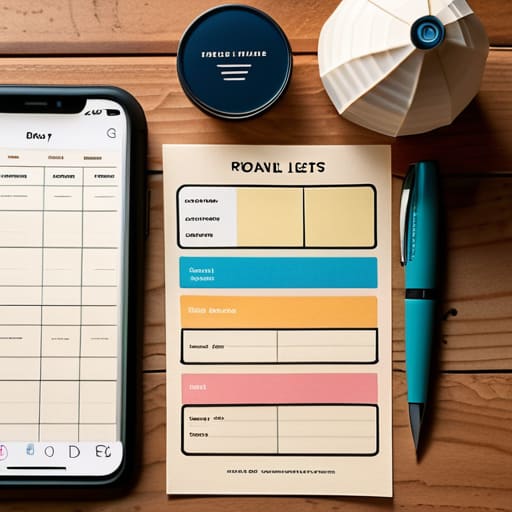
A disorganized list is the quickest way to derail your budget. I’ve seen it a thousand times: you walk into the store with a vague idea of what you need, get distracted by a seasonal display, and end up with a cart full of impulse buys that weren’t in the plan. To stop the bleeding, you need a system for grocery list organization that mirrors the way a store is actually laid out. Group your items by aisle—produce, dairy, dry goods, frozen—before you even leave the house. If you’re using a digital app, use the categorization feature; if you’re a paper-and-pen person like me, draw clear dividers on your page. This isn’t about being obsessive; it’s about minimizing decision fatigue while you’re standing in the middle of an aisle.
The real magic happens when you tie your list directly to meal planning for savings. Instead of shopping for “ingredients,” shop for “meals.” If you know you’re making a specific stir-fry on Tuesday, your list should reflect exactly what is required for that dish and nothing more. This approach is one of the most effective ways of reducing food waste, because you aren’t buying a whole head of celery just because it looked good, only to let it rot in the crisper drawer three days later. When the list is purpose-built, the friction disappears.
Five Ways to Cut the Friction from Your Food Spending
- Stop shopping without a roadmap. Pick three “anchor meals” for the week—dishes you can make with pantry staples—and build your list around them. It stops the impulse buys that bleed your budget dry.
- Embrace the “Unit Price” rule. Don’t look at the big, shiny price tag on the shelf; look at the small print that tells you the cost per ounce or per gram. That’s where the real math happens, and it’s the only way to know if you’re actually getting a deal.
- Automate your staples. If you buy the same coffee, oats, or olive oil every month, set up a recurring delivery or a dedicated “staples” list. Taking the decision-making out of the routine saves mental bandwidth and prevents last-minute, expensive trips to the store.
- Audit your fridge before you hit the aisles. It sounds tedious, but spending five minutes checking what you already have prevents the “double-buy” trap. I keep a small note in my pocket notebook for this; it’s a simple way to avoid wasting money on things you already own.
- Treat your grocery budget like an operations problem, not a willpower problem. If you consistently overspend, your budget is too restrictive to be functional. Adjust the numbers to reflect reality, then tighten the system, not the belt, until it sticks.
## The Goal of Budgeting
A grocery budget shouldn’t feel like a math test you’re failing every week; it should be a set of guardrails that lets you walk into a store, grab what you need, and get out without the mental fatigue of wondering if you’re overspending.
Marcus Holloway
The Bottom Line
At the end of the day, building a grocery budget isn’t about deprivation or counting every single cent until your eyes cross. It’s about creating a framework. We’ve covered how to track your monthly spending without it becoming a second job, and how to organize your lists so you aren’t wandering aimlessly through the aisles. When you combine accurate tracking with a structured list, you remove the decision fatigue that usually leads to impulse buys and wasted money. The goal is to move from reactive spending—buying whatever looks good in the moment—to intentional consumption that fits your actual lifestyle.
Don’t let the pursuit of a “perfect” system paralyze you. I’ve spent years optimizing workflows for massive corporations, and if there’s one thing I’ve learned, it’s that a functional, imperfect system beats a flawless plan that never gets implemented. Start small. Use your notebook, set your limits, and let the system do the heavy lifting. Once you automate the mundane logistics of your pantry, you stop worrying about the math and start enjoying the freedom that comes with being in control. Now, go get your time back.
Frequently Asked Questions
How do I account for the price fluctuations and inflation that make my old budget feel obsolete?
Stop trying to pin down a static number. A budget that worked six months ago is a relic, not a tool. Instead of fighting the math, build in a “buffer zone”—a 10% margin of error for those inevitable price spikes. I also recommend a monthly audit: don’t just look at the total, look at the unit price of your staples. If eggs jumped 20%, adjust your baseline immediately. Don’t chase the old numbers; build a system that expects change.
Should I be tracking every single receipt, or is there a faster way to see if I'm staying on target?
Don’t fall into the trap of receipt obsession. Tracking every single scrap of paper is a massive time sink that yields diminishing returns. You’ll burn out in two weeks. Instead, use your banking app to categorize your weekly spend. If you want more precision, pick one day a week to review your transaction history. That’s it. Look for the big patterns, ignore the cents, and keep moving. Efficiency over perfection, every time.
How much of my budget should actually go toward "wants" like specialty coffee or organic snacks versus the essentials?
Look, there’s no magic number, but I live by a modified 50/30/20 rule. Allocate 50% to needs—the boring stuff like staples—and try to cap your “wants” at 30%. If that specialty coffee is what keeps you sane during a Tuesday grind, keep it. Just don’t let it become a leak in your system. Track the cost of those “small” luxuries; if they’re bloating your total, it’s time to automate a cheaper alternative.
What’s the best way to handle unexpected spikes in spending, like when I have guests over or a sudden craving for takeout?
Don’t let a single dinner party derail your entire month. I treat these spikes as “buffer zones.” Every month, I bake a small, non-negotiable “flex fund” into my budget—about 5-10%. If you don’t use it on a sudden craving or a guest, it rolls into your savings. If you do, the math is already done. Stop treating outliers like failures; treat them like predictable variables in a system.