I spent fifteen years in corporate operations, and if there is one thing I learned, it’s that complexity is usually just a mask for inefficiency. Most of the “gurus” online make learning how to meal prep look like a second full-time job involving aesthetic glass containers, five-hour Sunday marathons, and ingredients you can barely pronounce. It’s exhausting, it’s expensive, and frankly, it’s a waste of your most valuable asset: mental bandwidth. You don’t need a culinary degree or a pantry full of specialized gadgets to stop eating takeout at 7:00 PM because you’re too drained to think.
I’m not here to sell you on a lifestyle aesthetic or a complicated recipe blog. My goal is to give you a functional system that treats your nutrition like any other streamlined operation. I’m going to show you how to automate your food decisions so you can stop negotiating with your hunger every single night. We are going to focus on high-utility methods that prioritize maximum output with minimum friction. Let’s cut the fluff and get your kitchen working for you, not against you.
Table of Contents
Strategic Weekly Meal Planning Tips for Maximum Efficiency
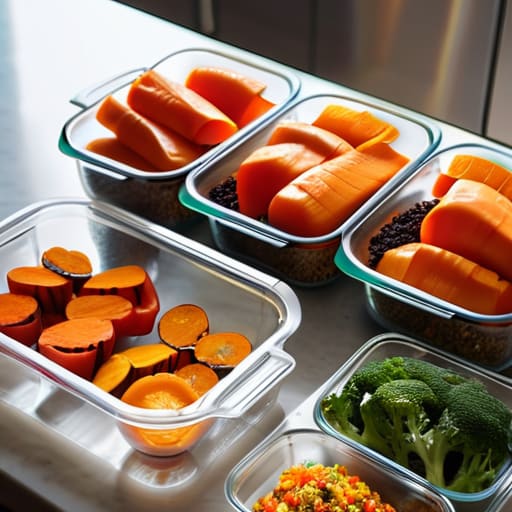
Efficiency isn’t about working harder in the kitchen; it’s about reducing the number of decisions you have to make. I’ve found that the most common mistake is trying to cook five different recipes at once. That’s a recipe for burnout, not productivity. Instead, lean into batch cooking techniques. Pick two proteins, two grains, and three vegetables. By preparing these components in bulk, you create a modular system. You aren’t just making meals; you’re building a library of ingredients that can be assembled into different flavor profiles in under five minutes.
To keep this system from falling apart, you need to invest in the right hardware. Don’t settle for flimsy, mismatched plastic that leaks in your bag. Get a set of high-quality, uniform meal prep containers for storage. Using consistent, stackable glass or BPA-free containers does two things: it optimizes your fridge real estate and gives you a clear visual inventory of what’s available. If you can see your options clearly, you won’t reach for the takeout menu when your energy dips on a Wednesday night. It’s about removing the friction between hunger and a healthy meal.
Healthy Meal Prep Ideas That Actually Taste Good
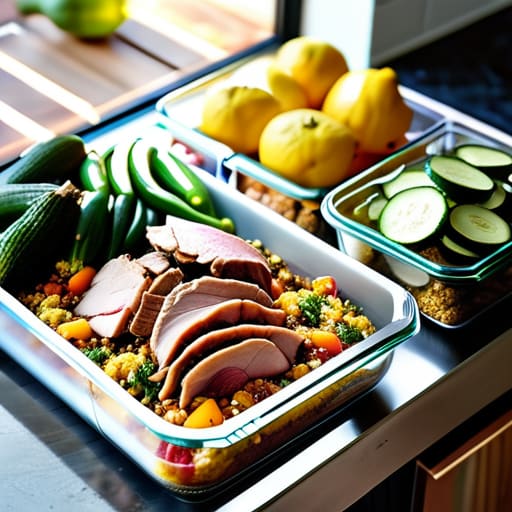
The biggest mistake people make is treating meal prep like a chore rather than a system. If you spend Sunday night eating nothing but unseasoned chicken and steamed broccoli, you’re going to quit by Wednesday. You need variety that doesn’t require constant kitchen time. I find that focusing on modular components is the most efficient way to work. Instead of making five identical containers of one dish, use batch cooking techniques to prepare versatile bases: a large tray of roasted Mediterranean vegetables, a pot of seasoned quinoa, and two different proteins like pulled carnitas and lemon-herb thighs. This allows you to mix and match flavors throughout the week so you don’t feel like you’re eating a repetitive sludge.
Texture and moisture are your two biggest enemies when reheating food. To keep things from turning into mush, invest in high-quality meal prep containers for storage that offer airtight seals; glass is my preference because it handles the oven and microwave without leaching chemicals or holding onto smells. When building your meals, keep sauces on the side. A splash of tahini or a squeeze of fresh lime right before eating can transform a meal that’s been sitting in the fridge for three days into something that actually feels freshly prepared. Keep it simple, keep it modular, and keep it flavorful.
Five Rules to Keep Your System from Collapsing
- Don’t overcomplicate the menu. If you try to cook five different recipes on a Sunday, you’ll burn out by Tuesday. Pick two proteins, two grains, and three vegetables. Rotate them. Complexity is the enemy of consistency.
- Invest in uniform containers. I don’t care if they look “aesthetic,” but if they stack perfectly in your fridge, you save physical space and mental energy. Stop playing Tetris with mismatched Tupperware every time you open the door.
- Prep components, not just finished meals. Instead of making ten identical bowls of chicken and rice, roast a massive tray of seasoned vegetables and cook a large batch of grains. This gives you the flexibility to pivot flavors so you don’t get “palate fatigue” by Wednesday.
- Use the “Double Batch” rule. Whenever you are already cooking something that isn’t meal-prepped—like a soup or a chili—double the recipe. Freeze half. You’re essentially building a library of emergency meals for those days when your schedule inevitably goes sideways.
- Clean as you go. This sounds like something a parent would say, but it’s pure operational efficiency. If you leave a mountain of dishes for the end of your prep session, you’ll start dreading the process. A clean workspace keeps the momentum moving.
The Philosophy of the Prep
Meal prepping isn’t about spending your entire Sunday in a kitchen playing chef; it’s about building a system that protects your most valuable asset—your time—from the friction of indecision.
Marcus Holloway
The Bottom Line
At its core, meal prepping isn’t about becoming a gourmet chef or spending your entire Sunday hunched over a cutting board. It’s about building a repeatable system that removes the decision fatigue from your work week. By applying the strategic planning and flavor-focused ideas we’ve discussed, you are essentially outsourcing the cognitive load of daily survival to a version of yourself that is prepared and organized. Remember: don’t try to overhaul your entire kitchen in one go. Start small, automate the basics, and focus on consistency over complexity. If you try to prep twenty different meals on day one, you’ll burn out by Tuesday.
The goal here isn’t just to have containers of chicken and broccoli in your fridge; it’s to reclaim the hours you used to spend wandering grocery aisles or scrolling through delivery apps. When you automate your nutrition, you buy back your mental bandwidth. You’ll find that the extra time and reduced stress allow you to show up more effectively in your career and more present in your personal life. Stop letting the small, repetitive friction of “what’s for dinner” drain your energy. Build the system, trust the process, and go focus on the things that actually matter.
Frequently Asked Questions
How do I keep my food from tasting like cardboard by Thursday?
The “cardboard effect” happens when you overcook everything during Sunday’s marathon. Stop boiling your vegetables into mush. Instead, undercook them slightly during prep; they’ll finish cooking when you reheat them. Most importantly, keep your sauces separate. Don’t drown your protein in dressing on day one. Store your components in modular containers and add the moisture—the sauces, the oils, the fresh herbs—right before you eat. Texture is the difference between a system and a chore.
What’s the best way to organize my fridge so I’m not digging through containers every night?
Stop treating your fridge like a junk drawer. If you’re digging through plastic bins every night, your system is broken. Group items by category: dairy together, proteins in one zone, and prepped components in another. Use clear, stackable containers—transparency is key to reducing mental friction. Most importantly, implement a “First In, First Out” rule. Move older items to the front. If you can’t see it, you won’t eat it, and you’ll waste money.
Do I really need to buy all those expensive specialized glass containers, or is there a cheaper way?
Don’t fall for the marketing trap. You don’t need a $100 set of branded glass containers to be efficient. Honestly, I prefer high-quality, BPA-free plastic for my daily commute—they’re lighter and won’t shatter in your bag. If you’re prepping for the fridge, standard glass Pyrex works fine. Just buy in bulk or hit a thrift store. Save that money for better ingredients; the container is just a vessel, not the meal.
How much time should I actually be spending on this every week without it becoming a second job?
Look, if you’re spending your entire Sunday in a kitchen trance, you’ve failed the efficiency test. You aren’t looking for a culinary hobby; you’re looking for a system. Aim for ninety minutes of focused prep once a week. If you find yourself crossing the two-hour mark, you’re overcomplicating the menu or trying to cook too many distinct dishes. Keep the components simple, batch the basics, and get out of the kitchen.