I spent fifteen years in corporate operations, where “efficiency” was a buzzword used to justify more meetings. But nothing tested my ability to optimize a system quite like the Friday night ritual of staring into a fridge full of expensive, wilted ingredients. Most “food hack” influencers will tell you that you need a specialized container system or a three-course culinary transformation to make sense of yesterday’s roast. That is total nonsense. They make it sound like a chore when, in reality, knowing how to use leftovers should be a simple matter of systematic repurposing. If you aren’t treating your fridge like a well-oiled machine, you aren’t just wasting food; you’re wasting your own mental bandwidth.
I’m not here to give you Pinterest-worthy recipes that require a trip to a specialty grocery store. My goal is to provide you with a no-nonsense framework for turning scraps into fuel without adding friction to your evening. We are going to focus on high-utility methods—think modular components rather than complex recipes—so you can stop overthinking dinner and get back to what actually matters. Let’s cut the fluff and get to the utility.
Table of Contents
Systems for Efficient Meal Prep With Leftovers
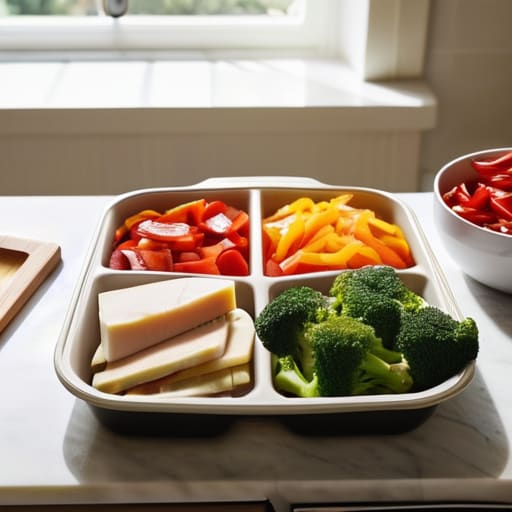
If you want to stop the cycle of ordering takeout because you’re too tired to cook, you need a system, not just a recipe. I look at my kitchen like an operations floor: everything needs a designated station and a clear workflow. The most effective way to manage this is through repurposing cooked proteins. When you make chicken, steak, or even tofu for dinner, don’t just view it as one meal. View it as raw material for tomorrow. If you prep an extra pound of protein on Sunday, you’ve already done 70% of the work for your Monday and Tuesday lunches.
Efficiency also relies heavily on how you handle the logistics of storage. I’ve learned the hard way that if you don’t have a standardized method for storing leftovers safely, you’re just creating a science experiment in your fridge. Invest in a set of uniform, high-quality glass containers. They stack better, they don’t leach chemicals, and they make it easy to see exactly what you have at a glance. This visual inventory is a simple creative kitchen hack that prevents that dreaded “what’s for dinner?” paralysis. Stop treating your fridge like a junk drawer and start treating it like a pantry.
Storing Leftovers Safely to Prevent Waste
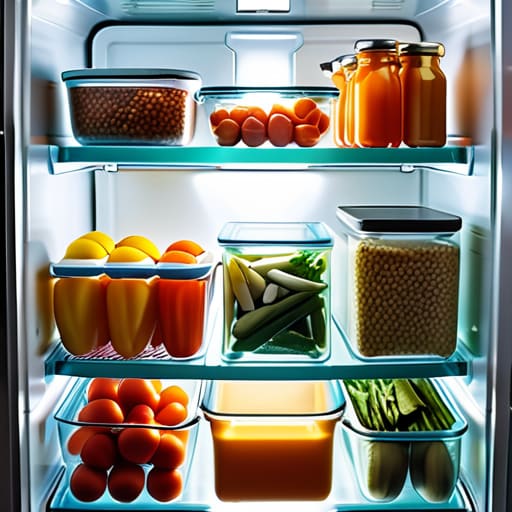
If you want to stop throwing money in the trash, you have to treat your refrigerator like a managed inventory system. Most people fail because they treat storage as an afterthought, tossing things into mismatched plastic containers and hoping for the best. That’s a recipe for a science experiment, not a meal. To master storing leftovers safely, you need to invest in a uniform set of airtight glass containers. They seal better, they don’t retain odors, and they allow you to see exactly what you have at a glance. If you can’t see it, you won’t eat it, and if you won’t eat it, it’s gone.
Timing is everything. I’ve seen too many people leave a pot of stew on the counter for three hours while they “wind down” from work. Don’t do that. Get your food into the fridge within two hours to minimize bacterial growth. When it comes to repurposing cooked proteins, keep in mind that most cooked meats are only good for about three to four days. If you know you won’t get to that roasted chicken by Wednesday, freeze it immediately. It’s a simple bit of logistics that separates a functional kitchen from a chaotic one.
Five Tactics to Stop Eating "Sad" Leftovers
- Treat leftovers as components, not complete meals. Don’t just reheat that pile of chicken; shred it and throw it into a fresh wrap or a quick salad. If you change the texture and the vessel, you change the experience.
- Master the “Base + Protein” formula. Keep a rotation of versatile bases like quinoa, roasted sweet potatoes, or farro. When you combine a pre-cooked base with a leftover protein and a quick sauce, you have a high-quality meal in under three minutes.
- Invest in a high-quality sauce library. Most leftovers taste mediocre because they lack moisture and acidity after being reheated. Keep soy sauce, sriracha, high-end olive oil, and maybe a decent tahini on hand to breathe life back into old ingredients.
- Use the freezer as a buffer, not a graveyard. If you know you won’t touch that extra portion of chili within forty-eight hours, portion it into individual containers and freeze it immediately. It’s better to have a “frozen meal” for a busy Tuesday than a “spoiled meal” in the trash.
- Reheat with intent. The microwave is fine for speed, but it’s the enemy of texture. If you’re reheating something with a crust—like pizza or roasted vegetables—use a dry pan or an air fryer. It takes two minutes longer, but it’s the difference between a meal and a chore.
The Philosophy of the Second Meal
Leftovers shouldn’t be a sign of failure or a chore to be endured; they are pre-paid time. When you treat last night’s dinner as tomorrow’s lunch, you aren’t just reducing waste—you’re reclaiming the mental bandwidth you’d otherwise spend deciding what to eat.
Marcus Holloway
Cutting the Friction
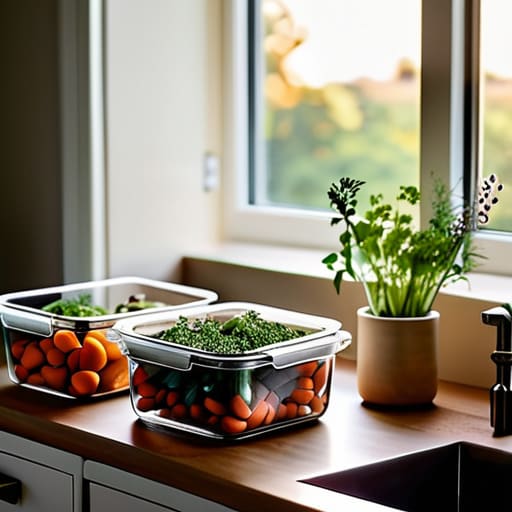
At the end of the day, managing leftovers isn’t about becoming a gourmet chef or a master of food preservation; it’s about building a repeatable system. We’ve covered how to prep your meals with intent, how to store them so they actually stay edible, and how to repurpose them without turning every meal into a chore. When you treat your kitchen like an efficient operation rather than a chaotic afterthought, you stop throwing money into the trash and start reclaiming your evening bandwidth. It’s about eliminating the decision fatigue that usually hits right around 6:00 PM when you’re too tired to think.
I spent years in corporate environments where “optimization” was just a buzzword used to justify more meetings. But in my own life, optimization is what gives me the freedom to sit down with my analog synths or a good book without a mental checklist of chores running in the background. Use these systems to automate the mundane parts of your nutrition. Once you stop fighting the daily battle of “what’s for dinner,” you’ll realize that the real goal wasn’t just saving a few bucks on groceries—it was buying back your time. Now, go clear out that fridge and get to work.
Frequently Asked Questions
How long can I actually keep these in the fridge before they become a health hazard?
Look, I’m not a doctor, but I am a fan of systems that prevent chaos. Generally, you have a three-to-four-day window. If it’s been sitting in there longer than that, the risk of food poisoning outweighs the cost of the ingredients. Don’t play games with your gut health. If it smells off or the texture looks suspicious, toss it. It’s better to lose five dollars on a meal than a whole afternoon to the bathroom.
Is there a way to reheat my food so it doesn't taste like rubber or cardboard?
The “cardboard” effect usually happens because you’re nuking your food with high, uneven heat, which sucks the moisture right out of it. Stop using the “High” setting on your microwave; use 50% power and cover the dish with a damp paper towel. That creates a mini steam chamber. If you have the extra five minutes, use a skillet for proteins or grains. A quick sear in a pan beats a microwave every single time.
How do I prevent my entire fridge from smelling like last night's curry?
The smell is a sign of poor containment, not just strong spices. If your fridge smells like a curry house, your current storage system is failing. Stop relying on flimsy plastic wrap or loosely fitted lids. Switch to airtight glass containers—they don’t absorb odors like plastic does. For extra insurance, toss an open box of baking soda on the middle shelf. It’s a low-tech, high-utility fix that actually works.
What’s the most efficient way to freeze portions without them turning into ice blocks?
The trick is to stop freezing massive, uneven clumps. If you throw a whole pot of chili in a container, you’re left with a single, impenetrable ice block. Instead, use individual silicone molds or small, single-serving glass containers. For liquids or sauces, freeze them in ice cube trays first, then pop the frozen cubes into a heavy-duty freezer bag. It’s a small extra step that saves you twenty minutes of thawing later.