I was sitting at my workbench last Tuesday, mid-way through recalibrating the oscillators on an old Moog synth, when my phone buzzed with a “critical security alert” from my bank. It was a textbook phishing attempt—slick, urgent, and designed to trigger a panic response. Most people think the only way to stay safe is to buy every expensive identity theft protection subscription on the market or spend hours obsessively checking bank statements. That’s a lie. Real security isn’t about adding more layers of complexity; it’s about knowing how to protect yourself from fraud by building a system that works while you sleep.
I’m not here to sell you a premium monitoring service or drown you in a sea of technical jargon. My goal is to give you a practical, low-friction blueprint that automates your defenses so you can stop worrying about your digital footprint. I’ve spent decades navigating corporate bureaucracy and economic shifts, and I’ve learned that the best defense is a streamlined one. We’re going to cut through the noise and focus on the few, high-impact moves that actually reclaim your mental bandwidth and keep your assets secure.
Table of Contents
Mastering Identity Theft Prevention Tips

Most people treat identity theft like a lightning strike—something rare and unpredictable that just happens to you. In reality, it’s usually the result of small, avoidable cracks in your digital perimeter. To stay ahead, you need to move beyond basic awareness and start practicing proactive cybersecurity best practices for individuals. This means treating your digital footprint with the same scrutiny you’d apply to a high-stakes contract. Start by auditing your digital presence; if you aren’t actively using a service, delete the account. The less data sitting in a vulnerable database, the less there is to steal.
The next step is sharpening your ability at recognizing phishing attempts before they land in your inbox. I’ve seen too many smart professionals get tripped up by a well-timed, urgent-sounding email that looks like it’s from their bank or a vendor. If an email demands immediate action or asks you to click a link to “verify” something, it’s a red flag. Don’t play the game. Close the email, go to the official website directly through your browser, and check your status there. Never use the link provided in the message. It’s a simple rule, but it’s the most effective way to stop a scammer in their tracks before they gain access to your life.
Recognizing Phishing Attempts Before They Hit
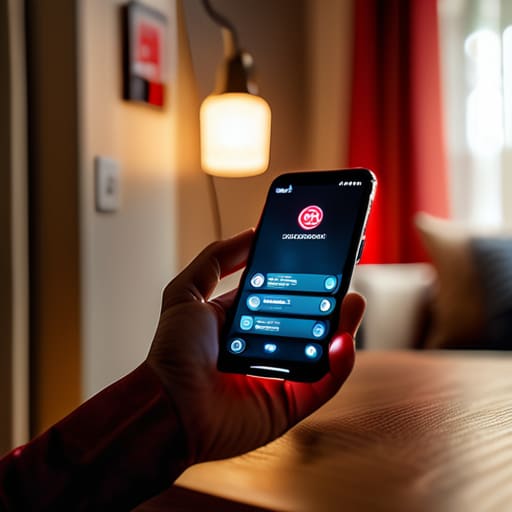
Most people think a phishing attack looks like a hacker in a dark room typing code. In reality, it’s much more mundane—it’s a poorly worded email from your “bank” or a frantic text about a missed delivery. These common online scam tactics rely on one thing: your impulse to react before you think. They want you to bypass your logic and head straight for the panic button. I’ve seen enough corporate chaos to know that urgency is almost always a red flag. If an email demands immediate action to prevent an account lockout, take a breath. That’s not a security alert; it’s a psychological play.
The best way to handle this isn’t to become a tech expert, but to build a mental filter. Instead of clicking that suspicious link, go directly to the source. If your bank supposedly sent an alert, open a new tab and log in through their official site or use their app. This simple habit is one of the most effective cybersecurity best practices for individuals because it removes the attacker’s leverage entirely. Stop playing their game. By verifying the request through a known, secure channel, you effectively neutralize the threat before it ever reaches your sensitive data.
Automate Your Defense: 5 Ways to Stop Playing Catch-Up
- Set up real-time transaction alerts on every single bank and credit card account you own. If a charge hits that isn’t yours, you need to know in seconds, not when you’re reviewing your statement thirty days later.
- Use a dedicated password manager to generate and store unique, complex strings for every service. If one site gets breached, your entire digital life shouldn’t collapse like a house of cards.
- Enable hardware-based multi-factor authentication where possible. SMS codes are fine for casual use, but for your primary email and financial hubs, a physical security key is the only way to truly lock the door.
- Freeze your credit with the major bureaus. It’s a small administrative task that provides massive peace of mind; it prevents anyone from opening new lines of credit in your name without you manually unfreezing it first.
- Audit your digital footprint once a quarter. Delete old accounts you no longer use and scrub unnecessary personal data from data broker sites. The less information is floating around, the harder you are to target.
## The Cost of Constant Vigilance
“Security shouldn’t be a second full-time job. If you’re manually checking every transaction and second-guessing every email, you’ve already lost. The goal isn’t to be paranoid; it’s to build systems that do the guarding for you, so you can stop looking over your shoulder and start looking forward.”
Marcus Holloway
Securing Your Perimeter
At the end of the day, protecting yourself from fraud isn’t about becoming a paranoid shut-in; it’s about building a reliable system. We’ve covered how to harden your identity against theft, how to spot a phishing scam before you click that disastrous link, and how to automate your defenses so you aren’t constantly playing whack-a-mole with your bank statements. The goal is to move from a state of constant vulnerability to a state of managed risk. By implementing these layers—multi-factor authentication, vigilant email scrutiny, and automated alerts—you are essentially installing a high-quality security system for your digital life. Don’t try to do it all at once, but stop leaving the door unlocked just because you’re too busy to turn the key.
I spent years in the corporate world watching people lose sleep over preventable errors. It’s a massive drain on your mental bandwidth that you simply cannot afford. My advice? Treat your digital security like I treat my vintage synthesizers: maintain them regularly, understand how they work, and don’t let the small glitches turn into total system failures. Once you have these protocols in place, you can stop worrying about the “what ifs” and get back to the things that actually drive your life forward. Reclaim your peace of mind by making security a background process, not a full-time job.
Frequently Asked Questions
How much of my personal data is actually out there, and can I even get it back?
The short answer? A lot. Between data breaches and aggressive brokers, your digital footprint is likely scattered across dozens of servers you’ve never heard of. Can you get it back? Not entirely. You can’t un-ring a bell, but you can stop the bleeding. Use services to opt-out of data broker sites and tighten your privacy settings. Don’t aim for perfection; aim for reducing your surface area. Minimize the exposure so there’s less to steal.
Is it worth paying for a credit monitoring service, or can I just do this myself for free?
Look, if you’re on a tight budget, you can absolutely do this yourself. Use the free tools from the big three bureaus—it’s not perfect, but it’s a start. However, if you value your mental bandwidth, a paid service is worth the friction reduction. They automate the monitoring and, more importantly, the response. I’d rather pay a small monthly fee to have a professional handle the headache than spend my weekend fighting a fraud department.
If I realize I've already been compromised, what is the absolute first thing I need to do to stop the bleeding?
Stop the bleeding immediately: freeze your credit. Don’t waste time changing every password first; if they have your identity, they’ll just bypass your new ones. Go to the three major bureaus—Equifax, Experian, and TransUnion—and lock your files. It’s the most effective way to prevent them from opening new lines of credit in your name while you deal with the fallout. Once the perimeter is secure, then you move to the passwords.
How do I secure my digital life without spending three hours every week updating passwords and settings?
Stop playing whack-a-mole with your passwords. If you’re still manually updating credentials, you’re wasting time you don’t have. Get a reputable password manager and set it to auto-fill; it handles the complexity so you don’t have to. Next, turn on hardware-based two-factor authentication—like a YubiKey—wherever possible. It’s a one-time setup that provides significantly better security than SMS codes. Automate the defense, then get back to your actual work.