I spent two decades in corporate operations, and if there is one thing I learned, it’s that decision fatigue is a silent killer of productivity. By 6:00 PM, after a day of navigating complex workflows and constant digital noise, the last thing most of us have the mental bandwidth to do is engineer a gourmet meal. We end up defaulting to high-friction, low-utility options like takeout, which leaves us feeling sluggish and wastes both time and money. Finding reliable healthy dinner ideas shouldn’t feel like a second job; it should be a seamless part of your evening routine that fuels your body without draining your brain.
I’ve applied the same principles I use for business optimization to my own kitchen: minimize the setup, maximize the output, and eliminate the fluff. In this list, I’m sharing eight specific, high-utility dinner strategies designed to cut through the chaos. You aren’t going to find any complicated, twenty-step recipes here. Instead, I’m giving you a toolkit of low-friction meal frameworks that prioritize nutrition and efficiency. Let’s get your evening back on track so you can focus on what actually matters.
Table of Contents
The Sheet Pan Strategy
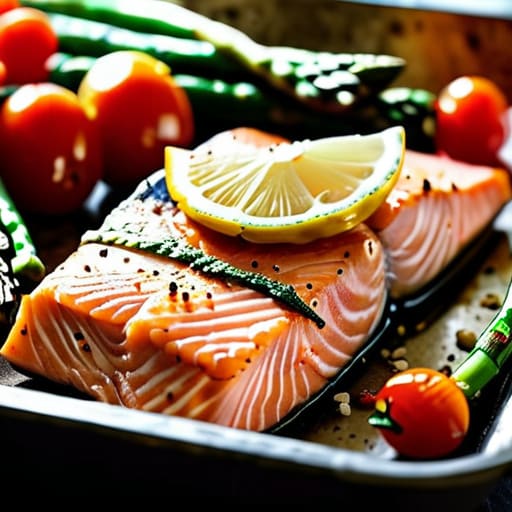
Most people fail at healthy eating because they treat cooking like a complex project requiring too many moving parts. The sheet pan method is my go-to for minimizing cognitive load after a long day of consulting. You simply toss a protein—think salmon fillets or chicken thighs—alongside a handful of chopped seasonal vegetables in olive oil and salt, then slide it into the oven.
Grain Bowl Assembly Lines
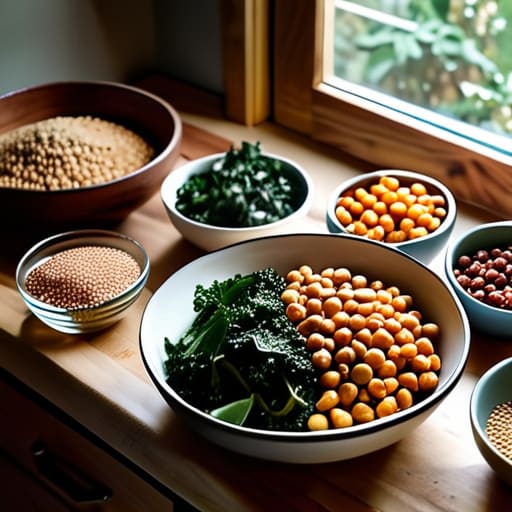
I view meal prep through the lens of an operations manager: you need a reliable supply chain of components. Instead of cooking a specific “recipe,” spend thirty minutes on a Sunday prepping a large batch of quinoa or farro, roasting some chickpeas, and washing some greens. This creates a modular system where you can assemble a nutritious bowl in under five minutes during the week.
The One-Pot Protein Punch
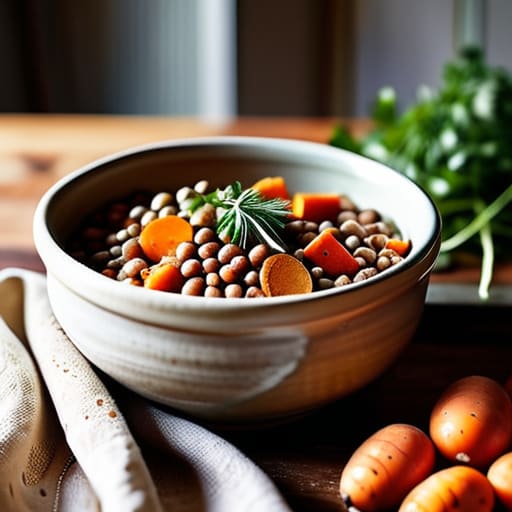
There is a certain elegance to a well-executed lentil stew or a hearty chili. These dishes are essentially “set it and forget it” operations that yield massive dividends in terms of sustained energy. Unlike a heavy pasta dish that leads to a mid-afternoon slump, legumes provide the slow-release carbohydrates and fiber necessary to keep your focus sharp.
High-Speed Stir Fry
If you have fifteen minutes and a hot pan, you have a healthy dinner. The key to a successful stir fry is the pre-prep phase; having your aromatics like ginger and garlic minced beforehand prevents you from rushing and burning the ingredients. Use a mix of colorful peppers, broccoli, and snap peas to ensure you’re hitting a wide spectrum of micronutrients.
Mediterranean Mezze Plates
Sometimes, the best way to eat healthy is to stop “cooking” in the traditional sense. A mezze-style plate is a collection of high-quality, low-effort components: sliced cucumbers, olives, feta cheese, hard-boiled eggs, and perhaps some smoked salmon. It’s essentially a deconstructed meal that requires zero heat and minimal mental energy.
Rotisserie Chicken Shortcuts
There is no shame in utilizing existing infrastructure to save time. A high-quality rotisserie chicken from the grocery store is a strategic asset for any busy professional. You can shred the meat immediately to use in salads, wraps, or even atop a quick pesto pasta.
The Advanced Salad Protocol
Most people hate salads because they are boring, limp, and unsatisfying. To make a salad a viable dinner, you must treat it with the same rigor you’d apply to a business process. You need texture, healthy fats, and a significant protein component to ensure it actually keeps you full until morning.
Breakfast for Dinner
We often overcomplicate the concept of “dinner,” but some of the most efficient nutrition comes from the breakfast category. A vegetable-heavy omelet or a savory shakshuka is a low-friction way to get your eggs and greens in one go. Eggs are one of the most bioavailable protein sources available, and they require almost no prep time.
The Philosophy of the Plate
Stop treating dinner like a project you need to manage. A healthy meal isn’t about culinary perfection; it’s about high-utility fuel that doesn’t steal your evening or your mental bandwidth.
Marcus Holloway
Streamlining Your Evening Routine
At the end of the day, the goal isn’t to become a Michelin-starred chef or to follow a restrictive, complex diet that requires a spreadsheet to manage. It is about reducing the cognitive load of decision-making when you are already running on empty. Whether you are leaning on the efficiency of sheet-pan salmon, the rapid assembly of a Mediterranean grain bowl, or the batch-prepped reliability of a hearty chili, the principle remains the same: prioritize utility. By selecting recipes that rely on minimal ingredients and low cleanup, you are effectively automating your nutrition so that your kitchen becomes a source of fuel rather than a source of stress.
I spent years letting work bleed into my personal time, often settling for expensive, processed takeout because the mental effort of cooking felt too high. I learned the hard way that when you fail to manage your evening routine, you lose your evening entirely. Don’t aim for perfection; aim for consistency over complexity. Pick two or three of these methods, integrate them into your weekly rotation, and reclaim that mental bandwidth. You deserve to finish your workday and actually enjoy your night, rather than spending it fighting with a sink full of dishes and a lack of direction. Get it done, keep it simple, and move on to what matters.
Frequently Asked Questions
How can I keep these meals healthy without spending my entire Sunday meal prepping?
Stop trying to become a full-time sous chef on Sundays. It’s a recipe for burnout. Instead, adopt a “component prepping” mindset. Roast a large batch of vegetables, cook a double portion of a versatile grain like quinoa, and prep one lean protein. You aren’t building rigid meals; you’re just assembling high-quality building blocks. When Tuesday hits, you aren’t “cooking”—you’re just combining pre-cleared elements. Minimal friction, maximum utility.
What are the best high-utility pantry staples to keep on hand for when I don't have time to grocery shop?
Stop treating your pantry like a collection of ingredients and start treating it like an inventory system. To minimize friction when your schedule collapses, you need high-utility building blocks: canned chickpeas or lentils for instant protein, quinoa or jasmine rice for a reliable base, and high-quality olive oil. Throw in some jarred pesto and canned crushed tomatoes. These aren’t just groceries; they are your insurance policy against the chaos of a busy week.
How do I scale these recipes for a family without doubling the cleanup time?
Scaling up shouldn’t mean scaling your stress. If you’re moving from a solo meal to a family spread, stop using multiple pans. Stick to the “one-vessel” rule: bigger sheet pans, larger Dutch ovens, or a single massive pot. It’s more efficient and keeps the sink manageable. Also, prep your ingredients in bulk once, rather than chopping for every individual meal. Minimize the friction, maximize the output. Don’t let the cleanup eat your evening.
Are there ways to automate the vegetable prep part of this process to save even more time?
If you want to reclaim that time, stop treating vegetable prep like a ritual. Buy the pre-washed, pre-chopped bags of greens and mirepoix—the convenience tax is worth the mental bandwidth you save. If you prefer whole produce, invest in a high-quality mandoline or a food processor. I use mine every Sunday to batch-prep my staples. Automate the knife work so you can focus on the actual cooking. Efficiency isn’t cheating; it’s smart operations.