Stop wasting your money on $14 “superfood” blends and those ridiculous, color-coded recipe books that require twenty different exotic powders just to get through breakfast. Most people make the mistake of turning their kitchen into a laboratory when they’re just trying to fuel up for a workday. I’ve spent years watching people overcomplicate the simplest tasks, and frankly, the way the wellness industry teaches you how to make a smoothie is a masterclass in unnecessary friction. You don’t need a ritual; you need a functional tool for your morning routine.
I’m not here to sell you on a lifestyle overhaul or a proprietary blend of açai and chia. My goal is much simpler: I want to give you a repeatable, streamlined system that takes less than five minutes and actually tastes decent. I’m going to show you how to build a balanced drink using a basic formula that eliminates the guesswork and the mountain of dishes. We’re going to cut the fluff and focus on maximum utility, so you can drink your nutrients and get back to the work that actually matters.
Table of Contents
Optimizing Your Setup With the Best Blender for Smoothies
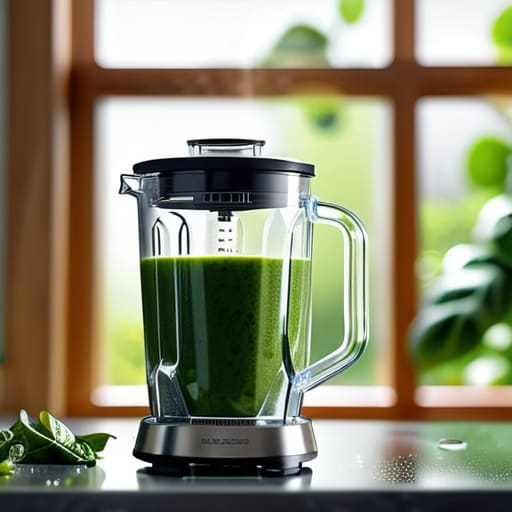
Don’t waste your time with a cheap, underpowered processor that leaves you chewing on chunks of kale at 7:00 AM. If you’re serious about efficiency, you need to invest in the best blender for smoothies—something with a high-torque motor and stainless steel blades that can actually pulverize ice and fibrous greens in seconds. I’ve seen too many people get frustrated by inconsistent results; a high-quality machine isn’t a luxury, it’s a tool for reducing friction in your morning routine.
Once you have the hardware, the goal is consistency. I always recommend a specific loading order to protect your motor and ensure a smooth blend: liquids first, then powders, then your solids, and finally your frozen items on top. This weight helps push everything toward the blades. If you want that professional, velvety mouthfeel, keep these smoothie texture tips in mind: use frozen fruit instead of ice to avoid a watery mess, and always ensure your liquid-to-solid ratio is dialed in before you hit the power button. It’s about setting up a system that works every single time without requiring constant supervision.
Choosing High Utility Smoothie Base Ingredients
Once you have the right hardware, you need to stop treating your ingredients like a random grocery list and start treating them like a system. The secret to a repeatable, high-quality result lies in your smoothie base ingredients. I don’t have the patience for a liquid that’s either too thin or feels like drinking sand. To get that perfect consistency, I always prioritize a liquid foundation first—think unsweetened almond milk, coconut water, or even just plain water—before adding anything else. This prevents your motor from straining and ensures your machine actually does its job.
When it comes to the bulk of the drink, you have to decide on the temperature variable: frozen fruit vs fresh fruit. If you want a thick, milkshake-like consistency without adding ice (which just dilutes the flavor), go frozen. I keep a stash of frozen bananas and berries in the freezer at all times; they act as both the flavor and the structural stabilizer. Finally, don’t ignore the smoothie nutritional balance. If this is your breakfast, you can’t just drink sugar. I always suggest adding protein to smoothies via a clean powder or a scoop of Greek yogurt. It stabilizes your blood sugar and keeps you from crashing an hour later.
Five Rules for Frictionless Blending
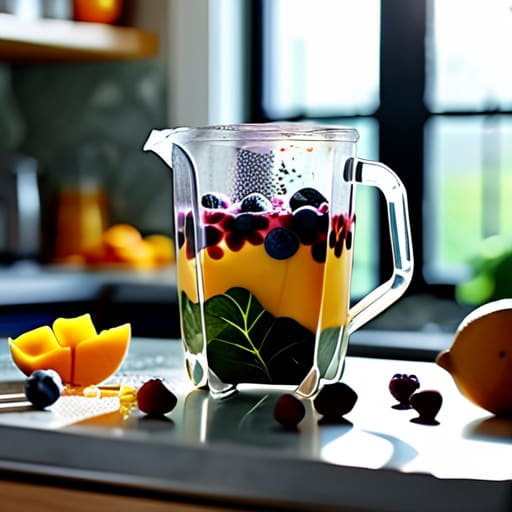
- Order matters. Always pour your liquid in first. If you dump the frozen fruit in on top of a dry powder, you’re just going to create an air pocket and spend five minutes scraping the sides of the jar. Liquid at the bottom creates the vortex you need for a smooth finish.
- Stop buying fresh produce for every single smoothie. It’s a waste of time and money. Keep a bag of frozen berries or spinach in the freezer. It acts as your built-in ice component and ensures you aren’t chopping fruit every single morning at 7:00 AM.
- Watch your ratios. Most people fail because they add too much solid matter and not enough liquid. If you want a drinkable smoothie and not a thick sludge that requires a spoon, start with a 3:1 liquid-to-solid ratio. You can always add more solids later, but you can’t easily take them out.
- Batch your prep on Sundays. I use my Sunday evening “reset” to portion out fruit and greens into reusable silicone bags. When Monday morning hits, you aren’t “making” a smoothie; you’re just dumping a pre-measured kit into the blender and hitting start.
- Clean the equipment immediately. This is the most important rule for long-term consistency. Don’t let the residue dry. As soon as you pour your drink, fill the blender halfway with warm water and a drop of soap, run it for thirty seconds, and rinse. If you wait until the end of the day, you’ve just created a chore you’ll eventually avoid.
The Philosophy of the Morning Blend
A smoothie shouldn’t be a culinary project; it should be a high-performance fuel injection. If you’re spending more than five minutes cleaning up or overthinking the ratios, you’ve already lost the battle for your morning bandwidth.
Marcus Holloway
Streamlining Your Morning Routine
At the end of the day, making a smoothie isn’t about culinary artistry; it’s about systematizing your nutrition. We’ve covered the essentials: invest in a blender that actually has the torque to handle your ingredients, and build a pantry of high-utility bases that require zero prep time. When you stop treating your breakfast like a chore and start treating it like a standard operating procedure, you eliminate the decision fatigue that usually drains your morning. Keep your ingredients accessible, your tools clean, and your process repeatable. That is how you win back those ten minutes you usually spend staring blankly at the fridge.
My goal isn’t to turn you into a master chef, but to help you automate the mundane. Every minute you save by having a streamlined morning ritual is a minute you can reinvest into your deep work, your family, or even just a moment of quiet before the chaos starts. Don’t let the pursuit of “perfect” get in the way of “efficient.” Get your ingredients in the jar, hit the switch, and focus on what actually matters. The machine is ready; now it’s your turn to get to work.
Frequently Asked Questions
How do I prevent my smoothies from turning into a soupy mess?
Stop treating your blender like a trash can. If your smoothie is a soupy mess, you’re likely overdoing the liquid or using too much soft fruit. I follow a strict ratio: solids first, then frozen elements, then liquid last. Use frozen fruit instead of ice to maintain texture without watering things down. If it’s still too thin, add a tablespoon of chia seeds or Greek yogurt. It’s about structural integrity, not just throwing things in a jar.
Is there a way to prep ingredients ahead of time without everything getting mushy?
Don’t prep everything in one big batch; that’s a recipe for sludge. Instead, use the “component method.” Portion your greens, seeds, and powders into individual silicone bags or small glass jars. Keep your fruit frozen—it acts as both an ingredient and an ice substitute, preserving texture. Only combine them when you’re actually ready to hit the power button. It keeps the workflow seamless without sacrificing the quality of the final product.
How can I add protein or healthy fats without ruining the texture?
The trick is managing viscosity. If you add protein powder, do it early in the blending process to prevent chalky clumps. For healthy fats, skip the heavy oils and opt for avocado or nut butters. They emulsify much more cleanly, creating a creamy texture rather than an oily film. If things get too thick, don’t struggle with the motor—just add a splash more liquid. Keep the friction low; keep the texture smooth.
What’s the most efficient way to clean the blender without wasting ten minutes at the sink?
Don’t let the cleanup become a barrier to your next task. The moment you finish pouring your smoothie, don’t let the residue dry. Fill the pitcher halfway with warm water, add a single drop of dish soap, and run it on high for thirty seconds. Rinse it out, and you’re done. It’s a three-minute process that keeps the machine ready for tomorrow without the sink-side headache. Efficiency is about momentum.