I spent fifteen years in corporate boardrooms watching brilliant people drown in digital noise, chasing every new productivity app that promised to “revolutionize” their workflow. Most of these gurus want to sell you a complex ecosystem of interconnected software and color-coded tags, but let’s be honest: most note taking methods are just expensive ways to procrastinate. If you spend more time organizing your folders than actually using the information inside them, you aren’t being productive; you’re just performing digital housekeeping.
I’m not here to sell you a subscription or a lifestyle overhaul. My goal is to strip away the friction and show you a few battle-tested frameworks that actually stick. I’ll walk you through the systems I use to manage my consulting projects and my analog hobbyist notes, focusing on utility over aesthetics. We’re going to find a way to capture your thoughts without turning your brain into a filing cabinet, so you can stop managing notes and start actually thinking again.
Table of Contents
The Cornell Note Taking System for Maximum Efficiency
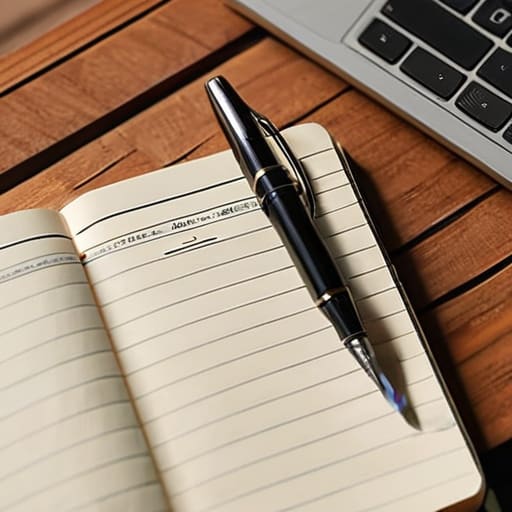
If you’re tired of looking at a page of disorganized scribbles and wondering what you were even thinking, the Cornell note taking system is your remedy. It’s not about writing more; it’s about structuring for retrieval. You divide your page into three distinct zones: a narrow column on the left for cues, a wider space on the right for actual notes, and a summary box at the bottom. This isn’t just a way to record information; it’s a way to force your brain to process it in real-time.
The real magic happens during the review phase. Instead of just re-reading your mess, you use those left-hand cues to quiz yourself. This turns a passive activity into one of the most effective study habits available. Whether you are organizing lecture notes or prepping for a high-stakes board meeting, this framework ensures you aren’t just a stenographer for your own life. I personally find that even when I’m leaning into digital vs analog note taking debates, the Cornell structure remains the gold standard because it demands active engagement rather than mindless transcription. Stop acting like a human recorder and start building a system that actually serves your future self.
Digital vs Analog Note Taking Cutting the Friction
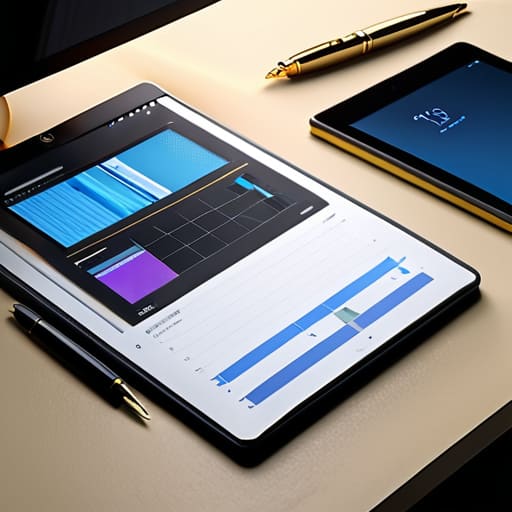
I’ve spent a good portion of my life oscillating between the two. On one hand, you have the sheer speed of a tablet or a laptop—perfect for when you need to search through months of data in seconds. On the other, there is the tactile reality of a fountain pen on heavy paper. When I’m deep in a strategy session, I find that digital vs analog note taking isn’t about which is “better,” but about which one gets out of your way. Digital tools are unmatched for archiving and retrieval, but they often come with the heavy tax of notifications and the temptation to multitask.
If you’re looking to truly internalize information, don’t underestimate the power of the physical page. There is a cognitive connection that happens when you physically write something down; it forces a slower, more intentional pace. This is where active listening techniques actually take root. When you’re tethered to a screen, you’re often just transcribing a stream of consciousness without processing a single word. I use my notebook to map out the big ideas and my digital tools to store the granular details. Find that balance, and you’ll stop just collecting data and start actually using it.
Five Rules to Stop Managing Notes and Start Using Them
- Stop trying to transcribe everything word-for-word. You aren’t a court reporter, and your brain can’t process information if you’re too busy racing to keep up with a speaker. Focus on the core concepts and the “why” behind them; the fluff will filter itself out.
- Build a retrieval system, not a graveyard. A note is useless if you can’t find it three weeks from now when you actually need it. Whether it’s a physical index in your notebook or a tag in your digital app, if you can’t find it in thirty seconds, you’ve wasted your time writing it.
- Review your notes within 24 hours. This is where most people fail. If you don’t look at what you captured while the context is still fresh, those notes become digital or paper clutter. Spend five minutes cleaning them up and highlighting the actionable items.
- Use a consistent shorthand. Don’t waste energy writing out “approximately” or “therefore.” Develop your own set of symbols—arrows for causality, stars for high priority, or simple abbreviations—to keep your pen moving and your thoughts flowing.
- Limit your tools. You don’t need a specialized app for every single niche task. Pick one reliable digital system for your heavy lifting and one high-quality notebook for quick, tactile capture. Complexity is the enemy of consistency; stick to what works and ignore the rest of the hype.
The Utility of the Written Word
“A note-taking system isn’t a museum for your thoughts; it’s a tool for your future self. If your notes don’t serve a purpose or trigger action, you aren’t documenting—you’re just collecting clutter.”
Marcus Holloway
Stop Overthinking and Start Recording
At the end of the day, there is no “perfect” system waiting to be discovered in a productivity app or a specialized leather-bound journal. Whether you choose the structured rigor of the Cornell method or the tactile, low-friction ease of a physical notebook, the goal remains the same: to move information from your head into a reliable external system. You’ve seen the options—digital for speed and searchability, analog for focus and retention. The mistake most people make is spending more time fiddling with the setup than actually capturing the insight. Pick a method that fits your current workflow, test it for a week, and if it feels like a chore, scrap it and move on.
Don’t let the pursuit of organization become another form of procrastination. A messy, imperfect note that you actually use is infinitely more valuable than a pristine, color-coded system that sits untouched on your desk. Your brain is for having ideas, not for storing them. Use these tools to reclaim your mental bandwidth so you can stop worrying about what you might forget and start focusing on the work that actually moves the needle. Now, put down the phone, grab a pen, and go write something down that matters.
Frequently Asked Questions
How do I know if a system is actually working or if I'm just spending all my time organizing instead of learning?
The litmus test is simple: Can you recall the core concept three days later without looking at your notes? If you can’t, you aren’t learning; you’re just decorating a digital graveyard. If you spend more time color-coding tags or choosing fonts than actually reviewing the content, you’ve fallen into the “productivity trap.” Stop optimizing the container and start focusing on the cargo. If the notes don’t trigger an insight, they’re just clutter.
Is it worth the learning curve to switch to a new method mid-project, or should I just stick to what I know?
Stick to what you know. Switching systems mid-stream is just a sophisticated way of procrastinating. You’ll spend more time wrestling with the new framework than actually processing the information, which defeats the whole purpose of a productivity tool. Finish the project with your current method. Once the dust settles and you have a clear post-mortem, then you can evaluate if a new system is worth the friction. Don’t fix the plane while you’re flying it.
How can I bridge the gap between my quick analog scribbles and my long-term digital archives without creating a mess?
The “Weekly Sweep” is my solution. Don’t try to digitize every grocery list or random thought in real-time; that’s just more friction. Instead, set aside twenty minutes every Sunday. Review your notebook, identify the high-value insights or action items, and move only those into your digital archive. Everything else? Let it die in the notebook. If it wasn’t worth the effort to archive once a week, it wasn’t worth keeping.
At what point does "detailed note-taking" become a distraction from the actual task at hand?
It becomes a distraction the moment you start transcribing instead of translating. If you’re writing down every word a speaker says, you aren’t learning; you’re just acting as a low-paid stenographer. Real note-taking requires processing information through your own brain before it hits the page. If your hand is moving faster than your mind can synthesize the concept, you’ve stopped being a student and started being a distraction to yourself.