By the time 6:00 PM rolls around, most of us are mentally bankrupt. After a day of managing stakeholders, navigating spreadsheets, or troubleshooting endless tech glitches, the last thing anyone wants to do is engage in a complex culinary experiment. We end up staring blankly at the pantry, paralyzed by decision fatigue, before eventually settling for overpriced, mediocre takeout. It’s a massive drain on both your wallet and your evening. I’ve spent years learning how to optimize workflows in the corporate world, and I’ve realized that applying that same logic to your kitchen is essential. You don’t need a gourmet kitchen; you just need easy dinner recipes that respect your limited mental bandwidth.
In this guide, I’m stripping away the unnecessary fluff and the “chef-style” theatrics. I have curated eight specific, high-utility options designed to get you from a hungry state to a satisfied one with minimal friction. These aren’t just meals; they are tactical solutions for your evening. We are going to focus on recipes that prioritize speed, repeatable results, and low cleanup, so you can stop managing your kitchen and start actually enjoying your night.
Table of Contents
The Sheet Pan Standard
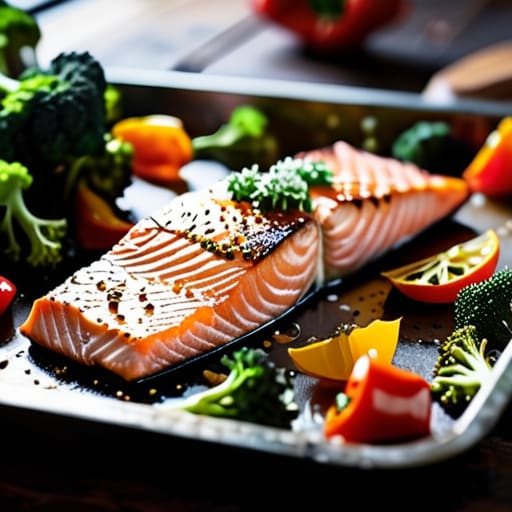
Most people overcomplicate dinner by thinking they need a dozen different pots and pans. You don’t. I’ve found that the most efficient way to handle a Tuesday night is the sheet pan method. Toss some salmon fillets or chicken thighs onto a tray with chopped broccoli and bell peppers, drizzle with olive oil and salt, and let the oven do the heavy lifting.
One-Pot Pantry Pasta
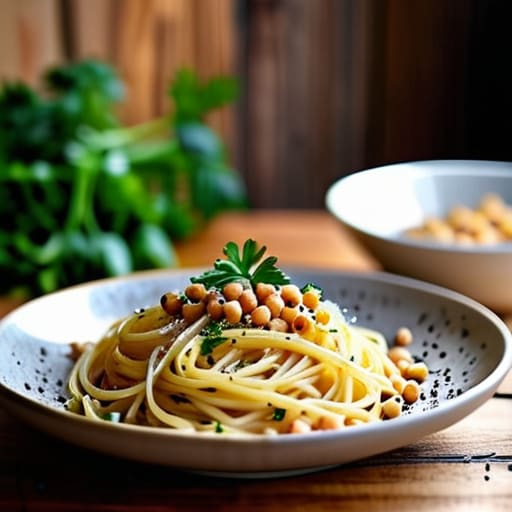
There is a specific kind of mental fatigue that hits around 6:00 PM. When that happens, don’t go to the grocery store; go to your pantry. A simple pasta dish using garlic, olive oil, red pepper flakes, and whatever canned protein you have—like tuna or chickpeas—is a high-utility meal. It’s fast, it’s filling, and it requires almost zero cognitive load to execute.
The Rotisserie Shortcut
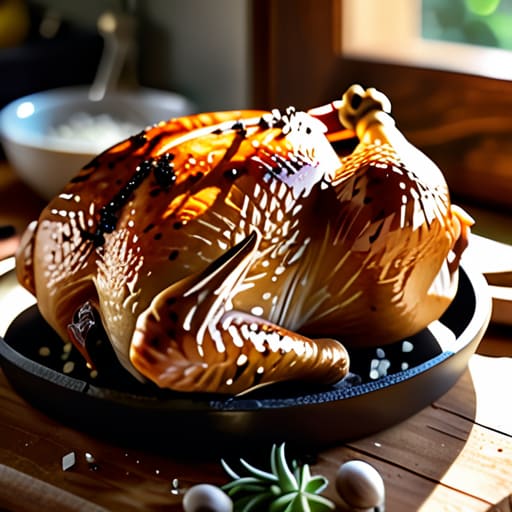
I call this the “Consultant’s Secret.” If you’re coming home from a long day and the thought of even boiling water feels exhausting, stop at the deli counter and grab a pre-cooked rotisserie chicken. It is arguably the most undervalued tool in the modern kitchen. It’s a complete protein that is ready the moment you walk through the door.
Breakfast for Dinner
We often treat breakfast as a morning-only affair, which is a structural error in our daily planning. Eggs are inexpensive, cook in under five minutes, and provide excellent nutrition. A simple omelet or a few scrambled eggs with avocado on toast is a frictionless dinner option that requires almost no prep work.
Slow Cooker Stews
If you want to automate your evening, you need to start thinking about the morning. A slow cooker is essentially a set-it-and-forget-it system for your nutrition. Throwing beef chunks, carrots, potatoes, and broth into the pot before you leave for work means that “cooking” is essentially finished before your workday even ends.
Loaded Grain Bowls
I’m a big proponent of modular eating. Instead of following a rigid recipe, keep a stash of grains like quinoa or farro in your pantry. When it’s time to eat, you just build a bowl: a base of grain, a scoop of beans, some roasted veggies, and a dollop of hummus or tahini. It’s a highly customizable framework that prevents boredom.
Quesadillas and Wraps
Sometimes, you just need a meal that takes five minutes and requires one skillet. Quesadillas are the ultimate low-effort, high-reward option. Flour tortillas, a decent amount of cheese, and perhaps some canned black beans or leftover chicken. It’s warm, it’s satisfying, and the barrier to entry is incredibly low.
The Mason Jar Salad
For those nights when you want something light but don’t want to spend an hour chopping, the layered salad is your best friend. By putting your dressing at the bottom of a jar and layering your heartier ingredients (like chickpeas or cucumbers) on top of the greens, you create a portable, fresh meal that won’t get soggy.
The Philosophy of the Plate
A recipe shouldn’t be a second job. If you’re spending more mental energy deciding what to cook than actually enjoying the meal, you’ve already lost the evening. Simplify the process so you can reclaim the time.
Marcus Holloway
Reclaiming Your Evenings
At the end of the day, these eight recipes aren’t just about food; they are about reducing decision fatigue. Whether you’re leaning on a sheet-pan salmon for minimal cleanup or utilizing a slow cooker to handle the heavy lifting while you decompress, the goal remains the same: removing the friction between finishing your workday and actually enjoying your personal time. Stop treating dinner as a secondary job that requires intense planning and a mountain of dishes. By standardizing a few high-utility meals, you effectively automate one of the most repetitive chores of your daily existence, leaving you with more mental bandwidth for the things that actually move the needle.
I spent years thinking that a “successful” evening meant a complex, multi-course meal, but I was wrong. True efficiency is found in the simplicity of a meal that nourishes you without demanding your entire evening in exchange. Use these frameworks to build your own system, tweak the ingredients to suit your palate, and most importantly, stop overcomplicating the process. Your time is your most finite resource; don’t spend it all standing over a stove. Get the fuel you need, clear the counters, and go focus on what actually matters.
Frequently Asked Questions
How can I prep these meals ahead of time without them getting soggy or losing quality?
The secret to prepping without the mush is component separation. Never mix your dressing, sauce, or wet ingredients with the base until you’re actually sitting down to eat. Keep your proteins and grains in one container, and your greens or crunchy elements in another. If you’re prepping grains like quinoa or rice, let them cool completely before sealing the lid to prevent steam from turning everything into a soggy mess. Keep it modular.
What are the best "emergency" pantry staples I should keep on hand to make these even faster?
If you want to eliminate the friction of a “nothing to eat” crisis, stop buying specialty items and stick to the heavy lifters. Keep high-quality olive oil, canned chickpeas, jasmine rice, and a few jars of premium pasta sauce on hand. Add a handful of dried aromatics—garlic and red pepper flakes—and a couple of tins of high-grade tuna. These aren’t just ingredients; they are your insurance policy against decision fatigue.
Are there ways to scale these recipes for meal prepping a full work week?
Scaling these isn’t about cooking more; it’s about batching the components. Don’t cook eight separate meals. Instead, double your protein and grain prep on Sunday. If you’re making the lemon herb chicken, cook three pounds instead of one. Store the components in modular containers. This turns your kitchen from a daily chore into a streamlined assembly line. Minimize the friction, maximize the output. That’s how you win back your Tuesday nights.
How do I keep the grocery list minimal while still having enough variety to avoid burnout?
The trick is to stop shopping for recipes and start shopping for components. Build a “modular pantry.” Stick to a core rotation of five versatile bases—think grains, greens, and proteins—that you buy in bulk. Then, use your grocery run to pick up two or three “flavor pivots”: a specific spice blend, a unique sauce, or a seasonal vegetable. This keeps the logistics simple but ensures your palate doesn’t get bored. Minimize the friction, maximize the flavor.