I spent most of my twenties in corporate boardrooms where “healthy eating” meant buying overpriced, pre-washed organic kits that cost more than a decent bottle of scotch and tasted like wet cardboard. The culinary world loves to make things difficult, insisting you need a dozen specialized gadgets and a degree in chemistry just to figure out how to cook vegetables without turning them into a gray, mushy mess. It’s all unnecessary friction. We’ve turned a basic biological necessity into a high-stress hobby, and frankly, it’s a waste of your mental bandwidth.
I’m not here to sell you on a lifestyle overhaul or a collection of expensive copper pans. My goal is much simpler: I want to give you a set of reliable, repeatable frameworks that work every single time. I’m going to show you how to master heat, seasoning, and timing so you can get nutritious food on your plate with minimal effort. No fluff, no complicated techniques—just the practical utility you need to fuel your life and get back to what actually matters.
Table of Contents
The Best Vegetable Cooking Methods for Busy Schedules
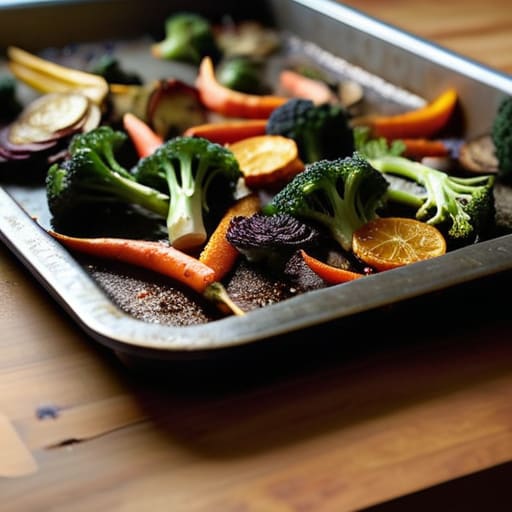
If you’re looking to reclaim your evening, you need to stop treating vegetable prep like a culinary exam. I don’t have the patience for complex recipes, and neither do you. For sheer speed and minimal cleanup, roasting in bulk is my go-to. Toss some broccoli, carrots, or Brussels sprouts on a sheet pan with olive oil, salt, and pepper, then shove them in a hot oven. You can do this once on a Sunday to create quick vegetable side dishes that last throughout the work week. It’s low-effort, high-reward, and eliminates the need to stand over a stove every single night.
When you need something even faster, don’t overlook the steamer basket. While there is a constant debate regarding steaming vs roasting vegetables, steaming is the undisputed winner when it comes to preserving the nutritional value of cooked vegetables without adding extra fats. It takes five minutes, and if you’re seasoning vegetables for flavor, a simple squeeze of lemon or a dash of red pepper flakes at the end is all you need. The goal isn’t to become a chef; it’s to fuel your body efficiently so you can get back to your actual life.
Quick Vegetable Side Dishes to Minimize Kitchen Friction
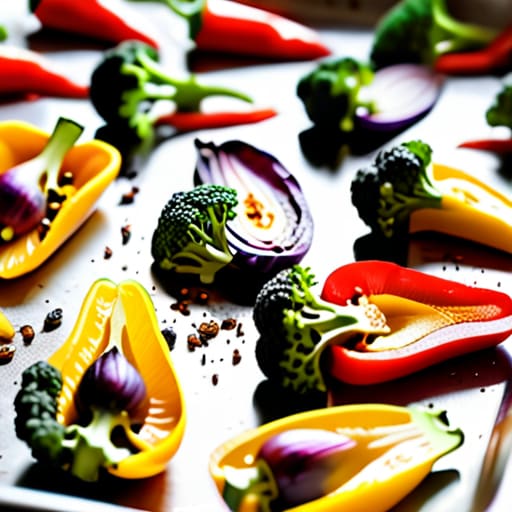
If you’re looking for quick vegetable side dishes that don’t require a culinary degree, stop looking for complexity and start looking for efficiency. My go-to is the “sheet pan method.” Chop some broccoli, bell peppers, and red onion, toss them in olive oil, salt, and pepper, and slide them into a 400°F oven. While you’re debating steaming vs roasting vegetables, remember that roasting develops a caramelization that steaming simply can’t touch. It’s hands-off cooking at its finest; you set the timer, walk away, and return to a meal that actually tastes like something.
For those nights when even the oven feels like too much friction, I rely on high-heat sautéing. Grab a heavy skillet, get it hot, and throw in some snap peas or asparagus with a clove of smashed garlic. The goal here isn’t a gourmet presentation; it’s about preserving the texture and the nutritional value of cooked vegetables without spending twenty minutes hovering over a stove. A quick squeeze of lemon juice at the end is my preferred way of seasoning vegetables for flavor without adding unnecessary calories or clutter to your pantry. Keep it simple, keep it fast, and get back to your evening.
Five Ways to Reduce Friction in Your Vegetable Prep
- Buy pre-cut. I know, the purists will hate it, but if a bag of washed, chopped broccoli saves you fifteen minutes of prep and a messy cutting board, buy the bag. Your time is worth more than the extra fifty cents.
- Master the sheet pan. Throw your vegetables on a tray, drizzle with olive oil, hit them with salt and pepper, and shove them in the oven. It’s one pan to clean and zero active supervision required.
- Use frozen vegetables. They aren’t the culinary tragedy they used to be. They’re flash-frozen at peak ripeness and require zero chopping. Keep a bag of frozen peas or spinach in the freezer for those nights when the idea of a knife feels like too much work.
- Invest in a decent chef’s knife. A dull knife is a safety hazard and a productivity killer. One sharp, high-quality blade makes slicing through a bell pepper feel like a chore-free task rather than a battle.
- Season aggressively. Most people think they hate vegetables, but they actually just hate bland vegetables. Don’t be afraid of salt, acid (like a squeeze of lemon), or heat. If it tastes like nothing, you haven’t finished the job.
The Philosophy of the Pan
“Stop treating vegetable prep like a culinary exam. You don’t need a masterclass; you need a method that works every time so you can eat, refuel, and get back to your life.”
Marcus Holloway
Cutting Through the Kitchen Noise
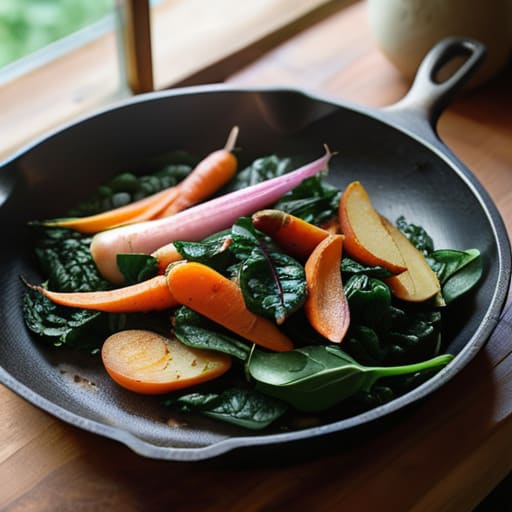
At the end of the day, cooking vegetables shouldn’t feel like a second job. We’ve covered the essentials: choosing high-utility methods like roasting or quick sautéing, and utilizing side dishes that don’t require a mountain of cleanup. The goal isn’t to become a Michelin-starred chef; it’s to build a repeatable system that keeps you fed without draining your mental battery. Whether you’re tossing greens in a pan or letting a tray of root vegetables do the work in the oven, the objective remains the same: maximum nutrition with minimum friction. Stop treating meal prep like a high-stakes project and start treating it like a streamlined operation.
I spent years thinking that “healthy eating” required elaborate recipes and hours of standing over a stove. I was wrong. Real efficiency comes from recognizing that the simplest path is usually the most sustainable one. Once you automate these small, mundane decisions in the kitchen, you reclaim a bit of your evening and a lot of your sanity. Don’t let the pursuit of perfection get in the way of actually eating well. Pick a method, grab your knife, and get on with your life. You have better things to do than overcomplicate a plate of broccoli.
Frequently Asked Questions
How do I keep my vegetables from turning into a mushy mess when I'm trying to cook them quickly?
The secret is heat and timing. If you’re boiling everything in one pot, you’ve already lost. Stop the “dump and stir” method. Instead, use high heat for shorter durations. Sautéing or roasting at high temperatures creates a sear that locks in structure. If you must boil, drop them into salted, rolling water and pull them out the second they hit al dente. Don’t let them sit in the hot water; drain them immediately.
Is there a way to prep my veggies ahead of time without them losing their texture by mid-week?
The short answer is yes, but you have to stop treating every vegetable the same. Harder roots—carrots, radishes, or broccoli stems—can be chopped and stored in airtight containers with a damp paper towel to keep the humidity right. For leafy greens, skip the moisture; wash them, spin them bone-dry, and layer them with paper towels. If you’re prepping soft stuff like peppers or cucumbers, wait until the night before. Don’t let prep become a chore.
What are the most efficient ways to season vegetables without needing a cabinet full of specialized spices?
You don’t need a spice rack that looks like a pharmacy. If you want flavor without the clutter, stick to the essentials: kosher salt, coarse black pepper, and a high-quality olive oil. That’s your foundation. If you want to level up, grab one bottle of balsamic vinegar and one jar of garlic powder. That’s it. Use those four things, and you can make almost any vegetable taste intentional rather than accidental. Keep it simple.
How can I cook enough vegetables for the week without spending my entire Sunday stuck in the kitchen?
Stop treating meal prep like a marathon. You don’t need to spend five hours Sunday afternoon chopping everything in sight. Instead, use the “Batch and Pivot” method. Roast two large sheet pans of hardy vegetables—broccoli, carrots, or sweet potatoes—at once. Once they’re done, they serve as a base. Toss them into a grain bowl on Tuesday, fold them into an omelet on Wednesday, or mix them into pasta on Thursday. Minimize the effort, maximize the utility.