I spent fifteen years in corporate boardrooms watching people trade their health for “efficiency,” only to end up crashing by 3:00 PM because they relied on caffeine and processed convenience. Most of the advice you see online about how to build a balanced meal is just noise designed to sell you expensive supplements or complicated meal-prep containers you don’t actually need. I’m tired of seeing nutrition turned into a second job; it shouldn’t require a degree in biochemistry or a three-hour window in your kitchen every Sunday.
I’m not here to give you a lecture or a list of superfoods that cost more than my vintage synth parts. Instead, I’m going to give you a stripped-back framework that works in the real world—whether you’re eating at your desk or sitting down at a proper table. I’ll show you how to automate your decision-making so you can stop agonizing over every bite and simply get it right. No fluff, no expensive gimmicks, just the utility you need to fuel your day and get back to what actually matters.
Table of Contents
The Minimalist Macronutrient Distribution Guide
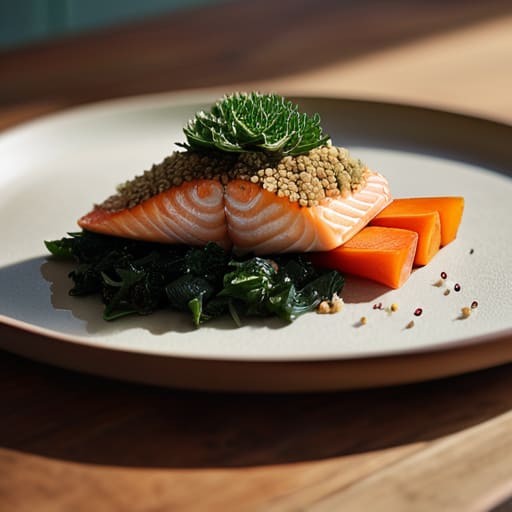
Forget the complex spreadsheets and the calorie-counting apps that turn eating into a second job. You don’t need a degree in dietetics to get this right; you just need a repeatable framework. I look at a plate through the lens of a simple protein vegetable carbohydrate ratio. Think of it as an operational blueprint rather than a strict set of rules. Start with your protein—it’s the foundation that keeps your satiety levels stable—then layer in your fiber, and use carbohydrates as the fuel for whatever your schedule demands that day.
To keep things efficient, I rely on a basic version of the healthy plate method. Visualize your plate divided into zones: half should be occupied by non-starchy vegetables to maximize nutrient density in meals without adding unnecessary bulk. The remaining half is split between your protein source and your complex carbs. This isn’t about perfection; it’s about creating a standard operating procedure for your body. If you can master this visual ratio, you can stop agonizing over every ingredient and start making decisions in seconds rather than minutes. It’s about reducing the cognitive load of your daily routine.
Mastering the Protein Vegetable Carbohydrate Ratio
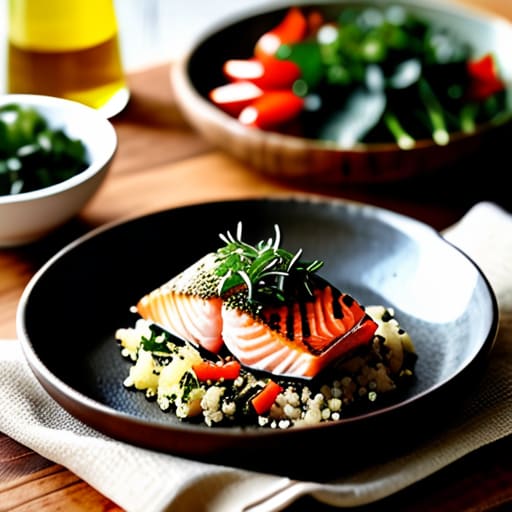
Forget the complex math and the calorie-counting apps that turn lunch into a second job. If you want to stop the mental fatigue, you need to internalize a simple visual rule. I call it the “hand method” for the protein vegetable carbohydrate ratio. Instead of weighing every gram of spinach, use your hand as a portable scale. Your palm is your protein portion, your fist is your veggie count, and your cupped hand dictates your carbs. It’s not about perfection; it’s about consistency over precision.
Once you get this rhythm down, you’ll notice that nutrient density in meals becomes a natural byproduct rather than a chore. When you prioritize a high-quality protein and a massive heap of greens, the refined carbs naturally lose their grip on your appetite. This isn’t some restrictive diet; it’s just basic physics applied to your plate. If you’re looking for better portion control tips, stop looking at labels and start looking at the volume of your vegetables. Fill the plate with fiber first, and you’ll find you’re automatically satisfied without the post-lunch energy crash that ruins a productive afternoon.
Five Ways to Cut the Friction from Mealtime
- Stop shopping by recipe. Recipes are often too complex and require too many niche ingredients. Shop by component: buy three proteins, four vegetables, and two complex carbs. That’s your toolkit for the week.
- Use the “One-Pan Rule” whenever possible. If you can roast your protein and your vegetables on the same sheet pan, you’ve just saved yourself fifteen minutes of cleaning and a mountain of mental energy.
- Automate your flavor profile. Don’t reinvent the wheel every night. Keep a few high-quality staples—like a good olive oil, sea salt, and a versatile spice blend—on hand so you can season anything without thinking.
- Batch your prep, not just your meals. You don’t need to spend Sunday cooking five identical Tupperware containers. Just chop the onions, wash the greens, and cook a large batch of grain. It makes assembling a fresh meal during the week effortless.
- Embrace the “Assembly Method.” Some nights, you aren’t “cooking”; you’re just assembling. A can of chickpeas, some pre-washed arugula, and a bit of feta is a balanced meal that takes three minutes. Accept it and move on.
## The Philosophy of the Plate
“Stop treating every meal like a culinary exam you need to pass. A balanced plate isn’t about perfection; it’s about hitting your basic requirements so you can fuel your brain and get back to the work that actually matters.”
Marcus Holloway
Cut the Complexity, Keep the Fuel
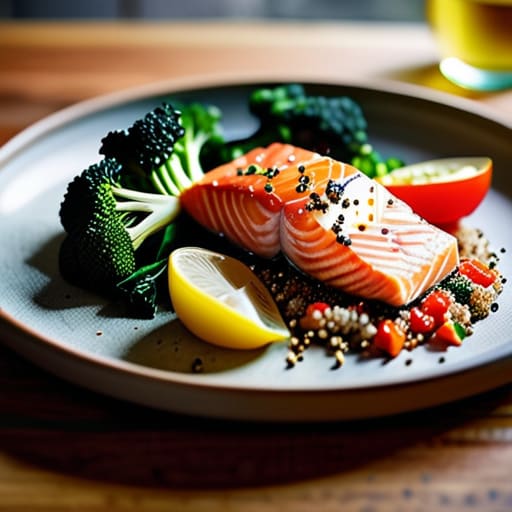
At the end of the day, you don’t need a degree in nutrition or a kitchen full of specialized gadgets to eat well. It comes down to the framework we just discussed: secure your protein, load up on fiber-rich vegetables, and add a controlled portion of complex carbohydrates. If you can master that basic ratio, you’ve already won ninety percent of the battle. Stop getting bogged down in the minutiae of calorie counting or chasing every new superfood trend that pops up on your feed. Stick to the minimalist distribution we’ve laid out, and you’ll find that your energy levels stabilize without the constant mental tax of meal planning.
My goal isn’t to turn you into a chef; it’s to help you automate your nutrition so it stops being a source of decision fatigue. Every minute you spend agonizing over what to eat is a minute stolen from your work, your family, or your own downtime. Use these rules as a baseline, not a cage. Once the mechanics of a balanced plate become second nature, you’ll realize that healthy eating doesn’t have to be a project—it can just be a quiet, efficient part of your daily operations. Now, go eat something decent and get back to what actually matters.
Frequently Asked Questions
What if I’m eating out at a restaurant—how do I apply this framework without looking like a neurotic?
Look, nobody wants to be the person auditing a menu with a spreadsheet. You don’t need to be neurotic; you just need to be intentional. When the server arrives, scan for the “big three” immediately. If you’re looking at a steak, pair it with greens instead of a mountain of fries. If it’s pasta, see if you can add a side of protein. It’s not about perfection; it’s about making a tactical adjustment.
How much actual volume am I looking at to feel full without feeling sluggish?
The goal isn’t to stuff yourself until you need a nap; that’s a failure of planning. Aim for the “80% rule”—eat until you’re no longer hungry, not until you’re full. Visually, your plate should be dominated by volume from greens or non-starchy vegetables. They provide the physical bulk to signal satiety to your brain without the heavy glycemic load that causes that mid-afternoon slump. Keep the heavy hitters—fats and carbs—to functional portions.
Does this ratio change if I’m trying to lose weight versus just maintaining my energy?
The short answer: Yes, but don’t overcomplicate it. If you’re looking to lose weight, don’t slash your food volume; just tilt the ratio. Increase the protein and fiber (vegetables) to keep you full, and pull back on the carbohydrates. Think of it as a volume adjustment rather than a total overhaul. If you’re just maintaining energy, stick to the standard ratio. The goal is consistency, not constant recalculation.
Can I use frozen or canned goods, or do I need fresh produce to make this work?
Look, if you’re waiting for a perfect window of seasonal produce to eat well, you’ve already lost the battle. Use the frozen and canned goods. In fact, I prefer them. They’re predictable, they’re already portioned, and they don’t rot in my crisper drawer while I’m stuck in back-to-back meetings. Just read the label—watch the sodium in the cans and the added sugars in the frozen stuff. If the ingredients are simple, it works.