I spent two decades in corporate operations, where I learned that the most expensive resource you own isn’t your salary—it’s your mental bandwidth. By the time 6:00 PM rolls around, most of us are too cognitively drained to make a single meaningful decision, let alone navigate a complex recipe. We end up defaulting to expensive, processed takeout that leaves us feeling sluggish and regretful. I’ve found that the friction of deciding “what’s for dinner” is often more exhausting than the cooking itself. That’s why I’ve focused my efforts on mastering quick 15 minute meals that prioritize utility over fluff.
In this guide, I’m stripping away the culinary pretension to give you fifteen high-utility options that actually work. These aren’t elaborate projects; they are streamlined, efficient solutions designed to get you back to your life as quickly as possible. Whether you’re staring at a near-empty pantry or just trying to reclaim your evening from the chaos of a busy workday, these fifteen items will serve as your blueprint for eating well without the unnecessary overhead. Let’s get to work.
Table of Contents
- The Pesto Pasta Pivot
- Mediterranean Tuna Salad
- The Gourmet Grilled Cheese
- Black Bean Quesadillas
- Pan-Seared Salmon and Asparagus
- Loaded Avocado Toast
- Shrimp Scampi Lite
- Rotisserie Chicken Tacos
- Caprese Salad Skillet
- Sausage and Pepper Sauté
- Egg Scramble with Feta
- Greek Yogurt Power Bowl
- Beef and Broccoli Stir-Fry
- Naan Bread Pizzas
- Cold Peanut Noodles
- ## The Philosophy of the 15-Minute Meal
- The Bottom Line on Dinner Friction
- Frequently Asked Questions
The Pesto Pasta Pivot
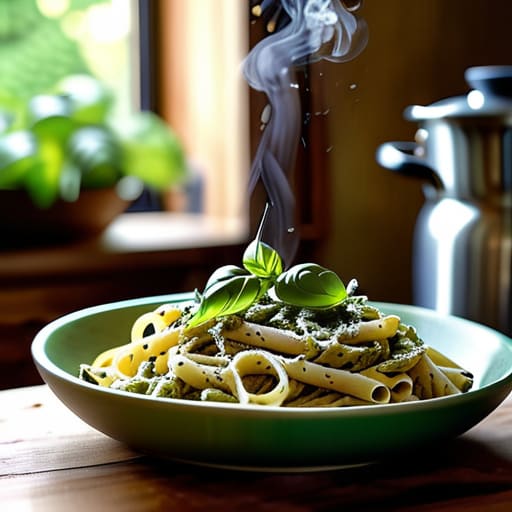
When I’m staring at a deadline and my stomach starts growling, I don’t reach for takeout. I reach for a jar of high-quality pesto and a box of pasta. It’s the ultimate low-friction meal because it requires almost zero culinary skill, just a boiling pot of water and about ten minutes of your time.
Mediterranean Tuna Salad
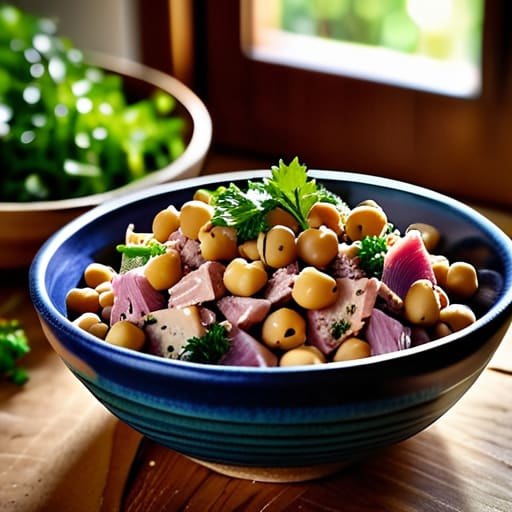
Forget the heavy, mayo-laden tuna salads that leave you feeling sluggish by 3:00 PM. I prefer a Mediterranean approach that uses canned tuna, chickpeas, and whatever olives or cucumbers you have sitting in the fridge. It’s a high-protein powerhouse that requires absolutely no cooking, which is a win in my book.
The Gourmet Grilled Cheese
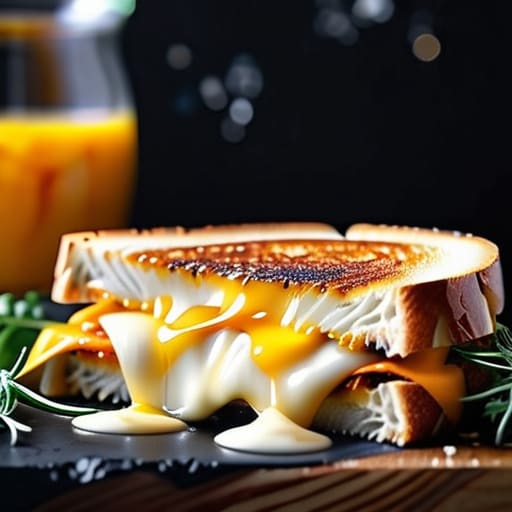
We need to stop treating grilled cheese like a snack for children and start treating it like the efficient fuel it is. If you use a decent sourdough and two different types of cheese—think sharp cheddar and something creamy like brie—you turn a five-minute task into a legitimate culinary experience.
Black Bean Quesadillas
This is my go-to when I realize I haven’t gone grocery shopping in a week. A can of black beans, some tortillas, and a bag of shredded cheese are all you need to bridge the gap between “starving” and “satisfied.” It’s a minimalist approach to dinner that takes less time than ordering a pizza.
Pan-Seared Salmon and Asparagus
I used to think cooking fish was intimidating, but once you realize it only takes about six minutes, your perspective changes. A salmon fillet and a bunch of thin asparagus can cook in the same pan if you time it right. This is maximum utility cooking at its finest.
Loaded Avocado Toast
If you’re working through lunch, don’t let a complex recipe derail your momentum. Avocado toast is the king of the “no-cook” lunch, provided you use good bread. It’s a simple way to get healthy fats and complex carbs into your system to maintain steady focus throughout the afternoon.
Shrimp Scampi Lite
Frozen shrimp are a lifesaver for the busy professional because they thaw in minutes under cold water. Sautéing them with garlic, lemon, and a bit of butter takes maybe five minutes total. This is a high-speed luxury meal that fits perfectly into a tight schedule.
Rotisserie Chicken Tacos
I am a firm believer in the strategic use of the grocery store rotisserie chicken. It is the ultimate productivity hack for your kitchen. Shred the meat while it’s warm, toss it into charred tortillas, and you have a meal that tastes like you spent an hour at the stove.
Caprese Salad Skillet
Sometimes you don’t want a heavy meal, especially if you’re sitting at a desk. A warm Caprese variation—sautéing cherry tomatoes until they burst and then tossing in fresh mozzarella—is a way to get that flavor profile without the effort of a full salad assembly.
Sausage and Pepper Sauté
This is what I call “one-pan efficiency.” Grab a pack of pre-cooked smoked sausages and a bag of frozen sliced peppers. Throw them in a skillet with a little olive oil, and you have a hearty, savory meal in under twelve minutes.
Egg Scramble with Feta
Breakfast for dinner is a classic for a reason: it’s fast and it’s cheap. A three-egg scramble with a handful of feta cheese and some spinach is a nutritious way to end a day without the mental overhead of a complex recipe.
Greek Yogurt Power Bowl
When I’m too tired to even turn on the stove, I go for the power bowl. High-protein Greek yogurt topped with nuts, seeds, and some honey is a meal that requires zero heat and zero effort. It’s a reliable way to ensure you aren’t eating empty calories just because you’re exhausted.
Beef and Broccoli Stir-Fry
You don’t need a wok or a culinary degree to execute a decent stir-fry. If you buy pre-sliced beef and a bag of frozen broccoli florets, you can have this on the table in the time it takes to boil water. It’s a high-velocity meal for those high-pressure evenings.
Naan Bread Pizzas
Traditional pizza dough is a time-sink I don’t have room for in my life. Using store-bought naan as a crust is a brilliant workaround. It’s sturdy, it’s delicious, and it turns into a perfectly crisp base in just a few minutes under the broiler.
Cold Peanut Noodles
This is my preferred method for utilizing leftover noodles or even just quick-cooking ramen noodles. A sauce made of peanut butter, soy sauce, and a splash of lime juice creates a rich, savory coating that transforms simple starch into a nutritious, flavorful meal.
## The Philosophy of the 15-Minute Meal
“Cooking shouldn’t be a second job you perform after your first one is finished. A meal is fuel and a moment of pause, not a logistical hurdle designed to drain your remaining evening bandwidth.”
Marcus Holloway
The Bottom Line on Dinner Friction
At the end of the day, these fifteen recipes aren’t about becoming a gourmet chef; they are about reducing decision fatigue. Whether you’re leaning on a high-quality canned bean salad, a quick pan-seared protein, or a simple pasta toss, the goal remains the same: getting fuel into your system without letting the kitchen hijack your entire evening. The common thread in all these meals is the elimination of unnecessary steps. By keeping your pantry stocked with versatile staples and mastering a few basic techniques, you turn a potential source of stress into a predictable, automated part of your daily routine.
I’ve spent a lot of my career helping companies streamline their operations, and I’ve learned that the same principles apply to your personal life. You don’t need more time; you need better systems. When you stop treating every meal like a major project, you suddenly find yourself with an extra thirty minutes to actually unwind or focus on a hobby that matters. Don’t aim for perfection—aim for utility. Use these tools to reclaim your evening, clear your mental bandwidth, and get back to the things that actually make life worth living. Now, go close the laptop and eat.
Frequently Asked Questions
How do I keep these meals from feeling like "junk food" if I'm always in a rush?
The trick is to focus on “structural nutrition.” Don’t skip the greens just because you’re short on time. Keep a bag of pre-washed arugula or frozen broccoli in the freezer at all times. If you’re making a quick pasta or a sandwich, throw a handful of those greens in there. It adds bulk and fiber without adding friction. If you prioritize protein and a vegetable in every 15-minute window, you won’t crash an hour later.
Is it actually possible to prep the ingredients for these in advance, or am I still stuck chopping every night?
If you’re still chopping every night, you’re doing it wrong. You don’t need to “meal prep” entire dishes—that’s how food goes to die in the fridge. Instead, prep the components. Spend twenty minutes on Sunday dicing onions, bell peppers, or garlic. Keep them in airtight glass containers. When the clock hits 6:00 PM, you aren’t cooking; you’re just assembling. Reduce the friction, keep the freshness. That’s how you win back your evening.
Which basic kitchen tools are non-negotiable if I want to hit that 15-minute window consistently?
If you’re serious about hitting that 15-minute mark, you need to stop fighting your equipment. First, get a high-quality chef’s knife; if it’s dull, you’re wasting precious minutes on prep. Second, a large, heavy-bottomed skillet is non-negotiable for speed. Finally, an electric kettle. Don’t wait for a stove to boil water; use the kettle to jumpstart your pasta or grains. Minimize the friction, and the speed will follow.
How do I scale these recipes for a family without doubling my time in the kitchen?
Don’t fall into the trap of thinking more people equals more labor. Scale by volume, not by complexity. If a recipe calls for one pan, use a larger one—don’t make three separate batches. Use your oven to your advantage; sheet pan meals are your best friend here. Prep your ingredients in bulk once, then use those same components across different meals. Efficiency isn’t about working harder; it’s about optimizing your workflow.