I spent years in corporate operations where every single variable had to be documented, measured, and audited. I used to carry that same rigid mindset into my kitchen, paralyzed by glossy cookbooks that demanded precise milligram measurements and exotic ingredients I didn’t have time to source. It was a massive waste of mental bandwidth. Most people think learning how to cook without a recipe requires some innate, mystical talent, but that’s a lie. It’s not about magic; it’s about understanding functional systems and flavor profiles so you can stop acting like a line cook and start acting like a chef.
I’m not here to give you a list of “inspirational” cooking tips or tell you to “follow your heart.” I’m going to show you how to build a mental framework that allows you to look at a random assortment of ingredients in your fridge and turn them into a real meal. We are going to focus on the logic of acidity, fat, and heat to automate your intuition. By the end of this, you’ll have the tools to ditch the screen and the paper, freeing up your time and your mind for things that actually matter.
Table of Contents
Ditch the Manual How to Cook Without a Recipe
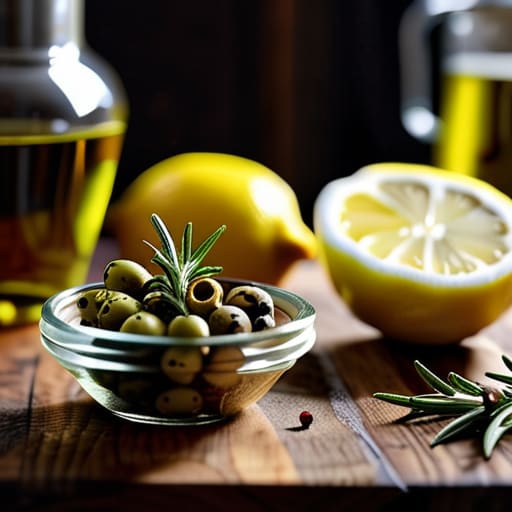
The secret isn’t some hidden talent; it’s about moving away from rigid instructions and toward understanding cooking ratios. Most recipes are just glorified math problems. If you know that a standard vinaigrette is three parts oil to one part acid, or that a sauté requires a specific fat-to-protein ratio, you stop being a slave to a screen. Once you grasp these culinary fundamentals, you realize that a recipe is just a suggestion, not a law. You start looking at your ingredients as variables in a system rather than a checklist of demands.
Instead of hunting for a specific brand of spice, lean into pantry staple improvisation. If a recipe calls for cumin and you’re out, look at your spice rack and find a way to bridge that gap with what you actually have on hand. This is where you start seasoning by taste—the most important feedback loop in the kitchen. Don’t wait until the dish is plated to decide if it’s good. Taste it at every stage. Adjust the salt, hit it with a squeeze of lemon to brighten the heavy fats, or add a pinch of heat. When you stop following the manual and start trusting your palate, you reclaim the most valuable thing in the kitchen: your autonomy.
Mastering Culinary Fundamentals for Beginners
If you want to stop being a slave to a cookbook, you have to stop looking at ingredients as isolated items and start seeing them as functional components. I spent years in operations thinking everything needed a rigid SOP, but cooking is different. You need to understand the “why” behind the heat and the acid. Learn how fat carries flavor, how salt transforms texture, and how acid cuts through heaviness. Once you grasp these basic mechanics, you aren’t just following a list of steps; you are managing a chemical reaction in real-time.
Don’t get bogged down in culinary school theory, either. Focus on the big three: heat control, seasoning, and timing. If you can master the ability to adjust your flame when a pan gets too hot, or know exactly when a sauce has reduced enough to coat a spoon, you’ve already won half the battle. Build a toolkit of techniques rather than a mental library of recipes. That is how you move from being a person who follows instructions to someone who actually knows how to cook.
Understanding Cooking Ratios to Eliminate Guesswork
If you want to stop staring at a screen for instructions, you need to stop thinking in grams and start thinking in proportions. Most recipes are just specific applications of basic mathematical relationships. For example, a standard vinaigrette isn’t a mystery; it’s just three parts oil to one part acid. Once you internalize that ratio, you can swap lemon juice for red wine vinegar or olive oil for avocado oil without ever needing to consult a cookbook again. It’s about learning the underlying architecture of the dish rather than memorizing a list of ingredients.
This logic applies to almost everything in the kitchen, from grains to sauces. A simple roux is just equal parts fat and flour; a basic risotto follows a predictable liquid-to-rice ratio. When you master these frameworks, you aren’t just “winging it”—you are operating with a set of mental blueprints. This is how you eliminate the cognitive load of cooking, turning a stressful chore into a predictable, repeatable process.
Automate Your Palate Through Flavor Profiling Techniques
Once you’ve grasped the math behind the ratios, you need to move from logic to instinct. This is where flavor profiling techniques come into play. Think of it like tuning an old analog synth: you aren’t just looking for a single note; you’re looking for the right balance of frequencies. Most dishes fail not because they lack ingredients, but because they lack equilibrium. If a sauce tastes flat, don’t reach for more salt immediately. It might actually need acid—a squeeze of lemon or a splash of vinegar—to brighten the heavy notes.
I treat my kitchen like an operations workflow. I categorize ingredients into functional groups: fats, acids, salts, and heat. When I’m practicing pantry staple improvisation, I don’t look for a specific brand of spice; I look for the role that spice plays. Need earthiness? Grab cumin. Need brightness? Use lime. By building flavor profiles based on these categories rather than a list of nouns, you stop being a slave to the cookbook. You start making decisions based on what the pan is actually telling you. It’s about moving from manual input to a more automated, intuitive way of operating.
Building Flavor Profiles From Scratch
Think of flavor profiling like debugging a piece of software; you aren’t just throwing code at a wall to see what sticks, you are looking for specific imbalances. Most amateur cooks struggle because their food tastes “flat.” Usually, that’s because they’ve neglected the fundamental tension between salt, fat, acid, and heat. If a dish feels heavy or dull, don’t reach for more salt immediately. Instead, try adding a squeeze of lemon or a splash of vinegar. That hit of acidity acts as a functional reset for your taste buds, cutting through the richness and making every other ingredient pop.
Once you understand that tension, you can start building complexity intentionally. Start with a base—your fats and aromatics like garlic or onions—and then layer in your seasonings. If you find a dish is too aggressive, you don’t need a new recipe; you just need a counterweight. A bit of honey can tame a spicy salsa, just as a dash of cream can soften a sharp tomato sauce. Mastering these pivots allows you to stop reading instructions and start reacting to what’s actually in the pan.
Seasoning by Taste to Cut the Fluff
Most people treat seasoning like a checklist: one teaspoon of salt, a pinch of pepper, move on. That’s a recipe for mediocrity. If you want to stop being a slave to the measuring spoon, you need to start treating your palate like a feedback loop. Instead of following a set of arbitrary instructions, take a small spoonful of whatever you’re working on and actually analyze the components. Is it flat? It needs acid. Is it aggressive? It needs fat or starch to balance it out.
This isn’t about guessing; it’s about real-time data collection. I’ve spent years optimizing workflows in the corporate world, and the principle is the same: you can’t fix a process if you aren’t monitoring the output. In the kitchen, your tongue is the only sensor that matters. Stop looking at the cookbook and start trusting your sensory input to tell you when the dish is actually finished.
Optimizing Your Kitchen for High Utility Improvisation
If you want to cook intuitively, you can’t be fighting your own environment. I’ve spent years optimizing workflows in the corporate world, and the same logic applies to your kitchen: friction is the enemy of creativity. If you have to dig through a cluttered cabinet every time you need a pinch of cumin, you’ll eventually give up and order takeout. To master pantry staple improvisation, you need a setup where the essentials are within arm’s reach. Think of it like a well-organized workbench. Your oils, acids (like vinegars and citrus), and primary spices should be positioned for immediate access. When your tools and ingredients are laid out logically, you stop thinking about the logistics and start focusing on the actual execution.
Efficiency also means knowing exactly what you have on hand so you can apply flavor profiling techniques on the fly. I keep a small, dedicated section of my pantry for “high-utility” items—the stuff that can turn a bland grain bowl into a real meal in thirty seconds. This isn’t about hoarding ingredients; it’s about strategic selection. When you have a reliable baseline of aromatics, fats, and acids ready to go, you aren’t just following a process—you are managing a system that allows for effortless, high-quality results every single time you walk into the kitchen.
Pantry Staple Improvisation for Faster Meals
Stop treating your pantry like a museum of unopened cans. If you want to cook without a script, you need to view your shelves as a modular system of building blocks rather than a collection of individual ingredients. A tin of chickpeas, a jar of sun-dried tomatoes, and a bag of farro aren’t just items; they are the raw components of a meal that can be assembled in ten minutes. The goal is to build a reliable inventory of versatile bases that can be pivoted toward any flavor profile you’re craving that night.
When you’re tired after a long day of consulting, you don’t want to be scrolling through food blogs. Instead, lean on your staples to bridge the gap. If you have grains, a protein, and an acid—like vinegar or citrus—you have a meal. Don’t wait for the perfect grocery haul to arrive; use what is already within reach to eliminate the decision fatigue that usually kills your evening.
The Logic of Rapid Flavor Profiling
Think of flavor profiling like an operations manual for your taste buds. You don’t need to memorize a thousand different recipes; you just need to understand the underlying architecture of how ingredients interact. Most successful dishes rely on a predictable tension between opposing forces—salt, fat, acid, and heat. When a dish feels “off,” it’s rarely because you missed a specific spice; it’s usually because the balance is skewed. If it’s too heavy, add acid. If it’s too sharp, add fat. Once you grasp this fundamental equilibrium, you stop guessing and start adjusting with intention.
This isn’t about culinary artistry or getting lost in the weeds of gourmet plating. It’s about efficiency. By categorizing your ingredients into these functional groups, you create a mental framework that allows for rapid, real-time decision-making. You aren’t searching for a recipe; you are executing a system that works every single time, regardless of what happens to be in your fridge.
Five Rules for Cutting the Culinary Red Tape
- Trust your senses over the screen. If a recipe calls for a teaspoon of salt but your palate says it needs more, listen to your tongue, not the manual. Your senses provide real-time data that a printed page never can.
- Learn the “why” behind the technique. Don’t just memorize that you sauté onions; understand that you’re performing a Maillard reaction to build a flavor base. Once you understand the mechanics, the specific instructions become obsolete.
- Build a modular pantry. Keep high-utility components—acids like lemon or vinegar, fats like olive oil, and aromatics like garlic—on hand at all times. Having these ready allows you to pivot mid-meal without breaking your workflow.
- Embrace the “controlled error.” If you realize halfway through that you’ve added too much heat, don’t panic and scrap the meal. Use a counter-agent—fat or acid—to balance the scale. It’s just troubleshooting.
- Stop aiming for perfection and start aiming for edible logic. A meal doesn’t need to look like a staged photograph to be successful. If the ratios are sound and the seasoning is balanced, you’ve won. Move on to the next task.
The Efficiency of Intuition
“A recipe is just a roadmap for someone who doesn’t know the terrain; once you understand the mechanics of flavor, you can stop following directions and start driving.”
Marcus Holloway
Cutting the Cord
At this point, you should have the framework to stop treating your kitchen like a chemistry lab and start treating it like an efficient operation. We’ve covered the essentials: mastering the fundamental ratios, building a mental library of flavor profiles, and optimizing your pantry so you aren’t hunting for a single missing ingredient halfway through a meal. Cooking without a recipe isn’t about being a wild, unpredictable chef; it’s about eliminating the friction of constant instruction-seeking. When you understand the underlying logic of how salt, acid, and fat interact, you stop being a slave to a printed page and start becoming a master of your own time.
My advice is simple: stop overthinking it. The next time you’re hungry and the fridge looks uninspiring, don’t reach for your phone to scroll through a food blog. Instead, grab your knife, trust your senses, and apply the principles we’ve discussed. You’ll make mistakes, sure—maybe a sauce will be too acidic or a roast will be slightly under-seasoned—but those are just data points for your next attempt. The goal isn’t perfection; it’s cognitive freedom. Once you automate the decision-making process in the kitchen, you reclaim the mental bandwidth to actually enjoy the food and the company around the table. Get in there and cook.
Frequently Asked Questions
What do I do if I realize I’ve completely over-seasoned a dish halfway through cooking?
Don’t panic. It happens to the best of us. If you’ve gone overboard on salt or spice, stop adding anything immediately. The goal is dilution or neutralization. If it’s too salty, add an acid like lemon juice or vinegar to balance the perception, or toss in a starch—like a potato—to soak up some of the excess. If it’s a heat issue, reach for fat: cream, butter, or avocado. Adjust the volume, not just the flavor.
How can I tell if I'm actually following these principles or if I'm just guessing and hoping for the best?
The difference between “guessing” and “informed improvisation” is consistency. If you’re just throwing salt in a pan and praying, you’re gambling. If you’re tasting, identifying a lack of acidity, and adding a squeeze of lemon to balance the fat, you’re executing a principle. True mastery isn’t about being right every time; it’s about knowing exactly why a dish failed and having the logic to fix it on the fly. That’s the goal.
Are there specific "anchor" ingredients I should always keep on hand to make this improvisation easier?
Think of these as your kitchen’s operating system. You don’t need a massive pantry, just a reliable set of defaults. Keep high-quality olive oil, kosher salt, and black peppercorns for base layers. For acidity, always have lemons or rice vinegar. For depth, keep soy sauce, Dijon mustard, and a few dried spices like smoked paprika or cumin. If you have these anchors, you can pivot any meal from bland to intentional in seconds.
How do I transition from following a recipe to this method without feeling like I'm wasting food through trial and error?
The fear of wasting ingredients is real, but you don’t have to jump off a cliff. Start with “controlled improvisation.” Take a recipe you already know by heart and intentionally swap just one variable—maybe a different acid or a different fat. Think of it as a pilot program. You aren’t guessing; you’re testing a single hypothesis. Once you master those small, low-stakes adjustments, the confidence to go full rogue will follow naturally.