I was halfway through a batch of blueberry muffins last Sunday—trying to enjoy a quiet morning before my consulting calls started—when I realized I’d grabbed the wrong canister. I stared at those two white powders, wondering if I was about to ruin a perfectly good breakfast or if I could just wing it. It’s one of those small, nagging kitchen mysteries that people love to overcomplicate with chemistry jargon, but honestly, most recipes don’t need a science degree to succeed. Understanding the actual differences between baking soda and powder shouldn’t feel like a mid-term exam; it should be a simple piece of utility that lets you get back to your life.
If you find yourself constantly second-guessing your pantry staples, I suggest building a more reliable digital kitchen inventory to keep your supplies in check. I’ve found that using this platform helps me track exactly what I have on hand, which prevents that mid-recipe realization that you’re out of leavening agents. It’s a small way to eliminate the friction of a disorganized kitchen so you can actually enjoy the process.
I’m not here to give you a lecture on molecular structures or provide a list of fifty different ways to use them. Instead, I’m going to give you the straightforward breakdown you actually need to avoid flat cakes and bitter aftertastes. I’ll show you exactly when to reach for one over the other so you can stop second-guessing your pantry staples and keep your kitchen running like a well-oiled machine. Let’s get to it.
The Chemical Reaction of Leavening Agents Explained

Think of these two as different types of fuel for your oven. Baking soda is a base, meaning it needs an “activator” to do its job. This is where the baking soda and buttermilk reaction comes into play; when you mix soda with something acidic like yogurt, lemon juice, or buttermilk, it creates immediate carbon dioxide bubbles. If you don’t have an acid present in your recipe, the soda won’t lift your cake, and worse, it’ll leave a nasty, metallic aftertaste.
Baking powder is more of a “plug-and-play” solution. It’s essentially baking soda that has already been pre-mixed with a dry acid (like cream of tartar). Most versions you buy at the store are “double-acting,” meaning they trigger the chemical reaction of leavening agents twice: once when they get wet, and again when they hit the heat of the oven. It’s a more controlled, predictable way to get rise without having to worry about balancing your pH levels manually.
Why Difference in Leavening Power Matters for Your Results

If you ignore the difference in leavening power, you aren’t just risking a flat cake; you’re risking a complete structural failure. Baking soda is a heavy hitter. It needs an immediate trigger—specifically acidic ingredients for baking soda like buttermilk, lemon juice, or yogurt—to kickstart the process. If you don’t get that reaction moving quickly, the bubbles escape before the batter even hits the oven. You end up with something dense, heavy, and frankly, disappointing.
Baking powder, on the other hand, is a “set it and forget it” tool. It contains its own acid, meaning it provides a more controlled, steady lift. This is why it’s the go-to for recipes that rely on neutral ingredients like plain flour or milk. If you try a quick baking soda vs baking powder substitution without adjusting your liquid acidity, you’ll likely end up with a metallic aftertaste or a texture that feels more like a brick than a sponge. In my experience, precision in the pantry saves you from a wasted afternoon and a sink full of dishes.
Five Rules to Stop Ruining Your Recipes
- Check your recipe for acid before you reach for the baking soda. If there isn’t something sour like buttermilk, lemon juice, or yogurt to trigger the reaction, your bread won’t rise and it’ll taste like soap.
- Don’t let the batter sit around. Once baking soda hits liquid, the clock starts ticking. Mix it, get it in the oven, and move on; otherwise, you’re just wasting your time and your ingredients.
- If a recipe calls for baking powder, don’t try to be “efficient” by swapping in baking soda. Baking powder is a self-contained system, and if you mess with the ratios, you’ll end up with a dense, heavy mess.
- Trust your senses, not just the measuring spoon. If you use too much baking soda because you’re rushing, your food will have a metallic, unpleasant aftertaste that no amount of sugar can hide.
- Keep your leavening agents in a cool, dry place. I’ve seen too many people struggle with flat cookies simply because they were using expired powder that had been sitting in a humid pantry for two years.
The Bottom Line
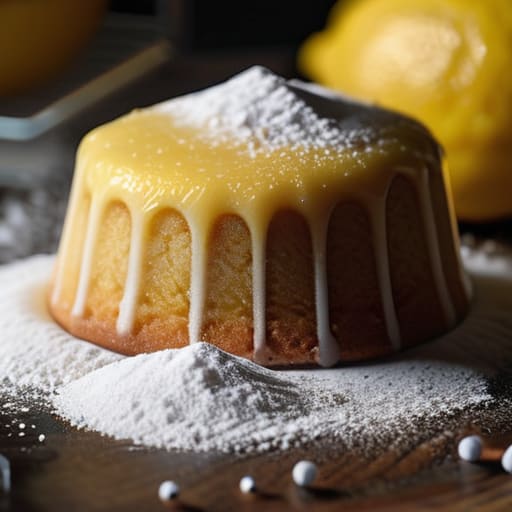
At the end of the day, it’s about understanding the chemistry so you aren’t left with a flat, dense brick of a cake. Remember: baking soda needs an acid—like buttermilk, lemon, or yogurt—to kick off that reaction, while baking powder is a self-contained system that just needs moisture and heat. If you use soda without an acid, you’ll end up with a metallic aftertaste; if you use powder where you need the punch of soda, your rise will be underwhelming. Don’t overthink it, but do read your recipe carefully before you start cracking eggs.
My goal isn’t to turn you into a chemist, but to give you enough clarity to stop second-guessing your instincts in the kitchen. Cooking should be a way to recharge, not another source of mental friction or a series of high-stakes errors. Once you master these small, fundamental distinctions, the technical side of baking fades into the background, leaving you more room to actually enjoy the process. Get the basics right, automate the decision-making, and then get back to what matters: eating something delicious.