I’ve spent most of my career optimizing workflows for corporations, but nothing is as inefficient as the way most people approach their kitchen. We’ve been sold this lie that eating well requires a massive grocery haul of “superfoods” or hours of tedious chopping. Honestly, that’s just unnecessary friction. Most “budget friendly meals” advice online is either a collection of overly complicated recipes that require twenty niche ingredients or a lecture on deprivation that leaves you hungry and frustrated. I don’t have time for the fluff, and frankly, neither do you.
I’m not here to give you a list of gourmet recipes that eat up your entire weekend. Instead, I’m going to show you how to apply a systems-thinking approach to your pantry. I’ll share the exact framework I use to build nutritious, high-utility meals that minimize decision fatigue and maximize your bank account. We are going to focus on automation and simplicity—cutting out the culinary noise so you can spend your money and your time on things that actually matter.
Table of Contents
Low Cost Grocery Shopping Tips for Maximum Efficiency
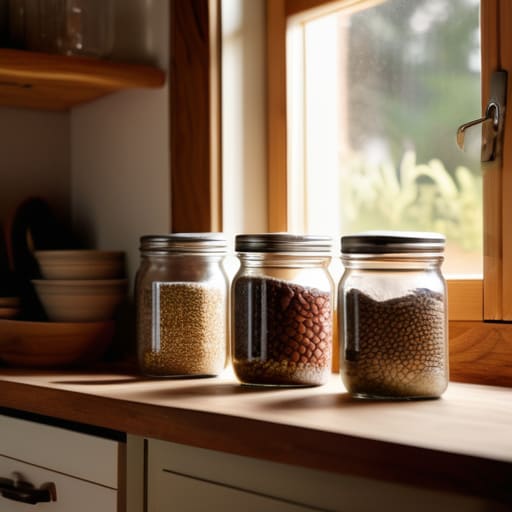
First, stop treating the grocery store like a scavenger hunt. If you walk in without a list, you’ve already lost the battle to impulse buys and marketing fluff. I’ve learned that the most effective low cost grocery shopping tips start with a rigorous inventory of what you already own. Before you even grab a cart, check your cupboards for economical pantry staples like dried lentils, rice, or canned beans. These are your foundation; they are cheap, shelf-stable, and provide the caloric density you need without the premium price tag of pre-packaged convenience foods.
Next, shift your focus toward the perimeter and the seasons. Buying out-of-season berries in January is a fast track to wasting money. Instead, look for seasonal produce savings to ensure you’re getting the highest nutrient density for the lowest possible cost. I also recommend a “buy once, cook twice” mindset. When you’re at the store, look for versatile ingredients that support bulk cooking strategies. A large bag of potatoes or a family pack of chicken thighs can be broken down into three different flavor profiles throughout the week. This isn’t just about saving pennies; it’s about reducing the decision fatigue that leads to expensive, last-minute takeout orders.
Nutritious Meals on a Tight Budget Without the Fluff
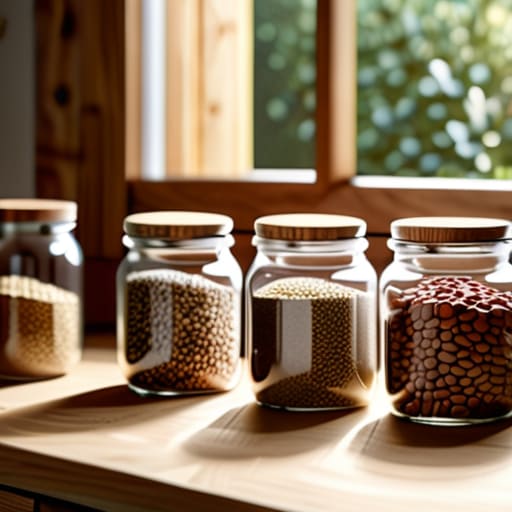
Eating well shouldn’t feel like a second job, but most people treat it like one. They wander the aisles, grab whatever looks convenient, and wonder why their bank account and their energy levels are both crashing by Thursday. If you want to stop the cycle, you need to shift your focus from “recipes” to economical pantry staples. I’m talking about the heavy lifters: lentils, oats, brown rice, and canned beans. These aren’t just fillers; they are the foundation of high-utility eating. When you build your meals around these items, you eliminate the decision fatigue that leads to expensive, mindless takeout orders.
Once you have your foundation, the goal is to apply some simple bulk cooking strategies to minimize your time in the kitchen. I don’t care about elaborate, five-star plating; I care about efficiency. Spend two hours on a Sunday roasting a large batch of vegetables and prepping a massive pot of grains or protein. If you do this right, you aren’t just saving money; you are reclaiming your mental bandwidth for the rest of the week. It’s about creating a system where nutritious meals on a tight budget become the default setting, rather than a daily struggle against your own schedule.
Five Tactical Moves to Reduce Food Friction and Costs
- Master the Art of the “Base Ingredient.” Don’t buy specialized ingredients for every recipe. Buy versatile staples—rice, lentils, or oats—and learn to pivot them through different flavor profiles. It reduces decision fatigue and keeps your pantry lean.
- Stop Buying Pre-Cut Convenience. You’re paying a massive premium for someone else to use a knife. Buy the whole head of broccoli or the block of cheese. It takes five minutes of prep, but it saves you twenty percent on your total bill.
- Implement a “Reverse Meal Plan.” Instead of deciding what you want to eat and then shopping for it, look at what you already have in your pantry and build around that. It forces you to use what’s expiring and prevents duplicate spending.
- Batch-Cook for Decision Insurance. When you make something like a chili or a grain bowl, make double. Freeze half. Having a high-quality, ready-to-go meal in the freezer is your insurance policy against the expensive, low-utility temptation of takeout.
- Audit Your Spices, Not Your Groceries. Most people overspend on meals because they lack flavor, so they order out. Invest in high-quality, versatile spices once. It’s a one-time cost that makes cheap, bulk ingredients actually taste like something worth eating.
## The Philosophy of Efficient Eating
“Eating well shouldn’t be a luxury or a logistical nightmare. It’s about stripping away the impulse buys and the gourmet distractions to focus on high-utility fuel that respects both your bank account and your time.”
Marcus Holloway
Cutting the Friction
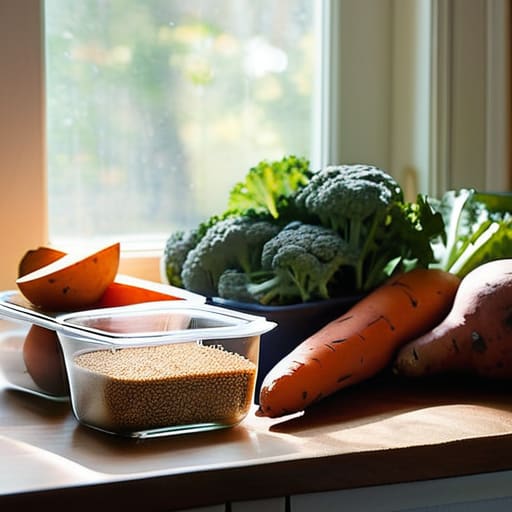
At the end of the day, eating well on a budget isn’t about deprivation or complex culinary feats; it’s about operational efficiency. We’ve covered how to strip away the waste at the grocery store and how to build meals that prioritize nutrition without the unnecessary price tag. By applying these systems—bulk buying, strategic meal prep, and focusing on high-utility staples—you stop reacting to hunger and start managing your resources. The goal is to move away from the expensive, decision-fatiguing cycle of takeout and toward a structured approach to nourishment that works for your wallet and your schedule.
Don’t feel like you need to overhaul your entire kitchen overnight. Start by picking one or two of these tactics—maybe it’s a dedicated shopping list or a single batch-cooked grain—and integrate them into your weekly routine. The real win here isn’t just the money you save; it’s the mental bandwidth you reclaim when you no longer have to stress about the next meal. Automate the mundane parts of eating so you can stop thinking about food and start focusing on the work, the people, and the hobbies that actually drive your life forward. Let’s keep it simple.
Frequently Asked Questions
How do I balance eating healthy with a strict grocery budget when fresh produce is expensive?
Stop chasing the “fresh is best” fallacy. If organic kale is priced like gold, ignore it. The secret is leveraging frozen and canned goods; they’re flash-frozen at peak nutrition and cost a fraction of the price. I lean heavily on frozen spinach, peas, and berries to hit my micronutrient targets without the waste. Buy staples in bulk, use canned beans for protein, and stop letting expensive, perishable produce dictate your health. Efficiency over ego.
What are the best ways to store leftovers so I actually use them instead of letting them go to waste?
The biggest mistake I see is the “mystery container” trap. If you can’t see it, you won’t eat it. Stop using opaque plastic tubs. Switch to clear glass containers; visibility is the simplest way to reduce mental friction. Label them with a piece of masking tape and a sharpie—date and contents included. If it’s not in sight and clearly identified, it’s just future compost. Treat your fridge like an inventory, not a graveyard.
Is it more cost-effective to buy in bulk or stick to smaller, weekly grocery trips?
The answer depends on your inventory management. If you have the pantry space and the discipline, buying staples in bulk is a mathematical win—it lowers your unit cost and reduces the friction of frequent trips. However, buying too much perishables leads to waste, which is just throwing money in the bin. My rule of thumb: bulk up on non-perishables and grains, but stick to smaller, targeted trips for fresh produce. Control the inventory, or the inventory controls your wallet.
How can I automate my meal planning so I'm not making decisions every single night after work?
Stop making decisions at 6:00 PM when your willpower is depleted. The secret is a rotating meal matrix. Pick five go-to meals—low friction, high nutrition—and assign them to specific days of the week. Monday is always Grain Bowls; Tuesday is always Tacos. Once you’ve mapped the cycle, your grocery list becomes a predictable, recurring task rather than a weekly puzzle. Automate the choice so you can just execute.