I spent most of my twenties staring at spreadsheets, thinking efficiency was all about software and workflows. But lately, I’ve realized that true friction exists in the smallest gaps of our daily routines—like standing in front of a pantry full of half-empty, dusty jars, wondering why your dinner tastes like nothing. Most people overcomplicate their spice racks, buying specialty blends they use once and then forget about. You don’t need a laboratory; you just need a curated toolkit. By identifying the essential spices for every home kitchen, you eliminate the decision fatigue that kills your momentum after a long workday.
In this post, I’m stripping away the fluff to give you a high-utility list of seven items. These aren’t just ingredients; they are the building blocks that allow you to automate your flavor profiles with minimal effort. I’ll show you exactly which spices provide the most “bang for your buck” so you can stop guessing and start cooking with intention. Let’s get your pantry organized and get you back to what actually matters.
The Foundation: Kosher Salt

Most people treat salt like an afterthought, but if you aren’t using a high-quality Kosher salt, you’re doing it wrong. Unlike fine table salt, the larger, flaky crystals of Kosher salt allow for much more precise control over seasoning. You can actually feel the grain between your fingers, which helps you avoid that common mistake of accidentally over-salting a dish.
The Workhorse: Black Peppercorns
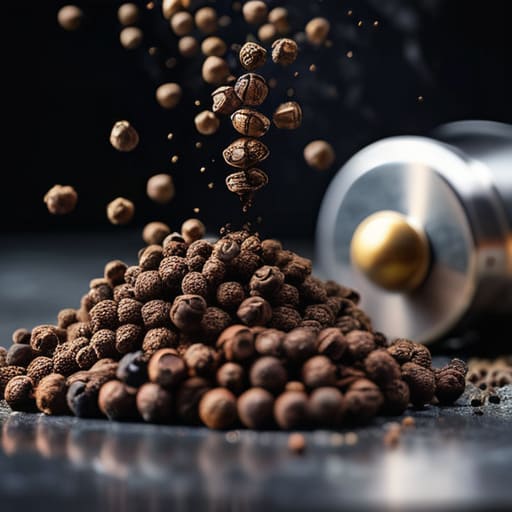
If you are still using the pre-ground pepper from a plastic tin, stop immediately. Pre-ground pepper loses its volatile oils almost instantly, leaving you with nothing but dusty, flavorless grit. To get the punch you need, you have to invest in a decent burr grinder and whole peppercorns.
The Versatile All-Rounder: Smoked Paprika
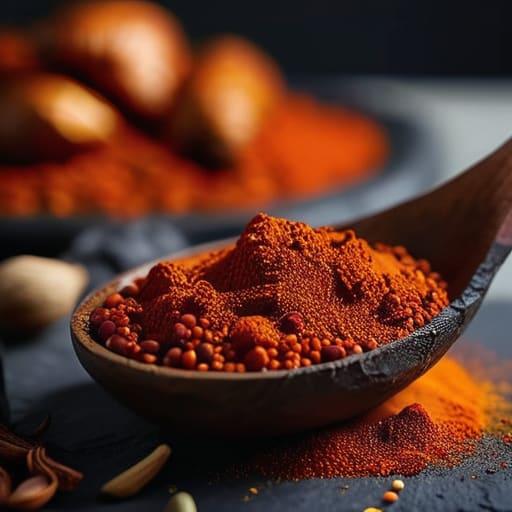
I’m a big believer in using ingredients that pull double duty. Smoked paprika is my go-to for adding depth without requiring a complex list of other spices. It provides a rich, earthy undertone that can make a simple roasted chicken or a bowl of lentils taste like it took hours of preparation.
The Heat Component: Red Chili Flakes
You don’t need a massive collection of hot sauces to add heat to your life. A jar of high-quality red chili flakes is much more versatile and keeps your kitchen clutter-free. You can toss them into an oil infusion, sprinkle them over pizza, or stir them into a morning omelet for a quick metabolic kick.
ITEM_HEADING: The Earthy Anchor: Cumin
Cumin is the backbone of countless cuisines, from Mexican to Middle Eastern. It has a heavy, warm, and slightly nutty profile that acts as an anchor for more volatile spices. When you’re cooking something like a chili or a roasted vegetable medley, cumin provides the structural integrity the dish needs to feel complete.
The Aromatics: Garlic Powder
I know, I know—fresh garlic is great. But let’s be pragmatic: sometimes you don’t have twenty minutes to peel, mince, and sauté. Garlic powder is the ultimate tool for rapid seasoning. It distributes evenly across proteins and vegetables in a way that fresh garlic simply cannot do without risking burn.
The Brightener: Dried Oregano
Every kitchen needs something to provide a sense of freshness when you don’t have a herb garden at your fingertips. Dried oregano is my choice because it holds its structural integrity better than most other dried herbs. It offers a slightly bitter, woody note that cuts through heavy fats and balances out acidity.
Streamlining Your Pantry
At the end of the day, building a spice kit isn’t about collecting every jar in the aisle; it’s about eliminating decision fatigue. By focusing on these seven essentials—from the foundational salt and pepper to the versatile smoked paprika and cumin—you create a system that works for you, not against you. You don’t need a culinary degree to make a decent meal, and you certainly don’t need a cluttered cabinet full of single-use powders that will eventually expire and collect dust. Keep your selection lean, high-quality, and accessible, and you’ll find that the friction of deciding “what’s for dinner” starts to disappear.
My goal here isn’t to turn you into a gourmet chef, but to help you reclaim the mental bandwidth that a chaotic kitchen often steals. Once you have these core flavors on hand, you stop reacting to hunger and start executing with intention. Use this setup to automate the basics of your cooking so you can spend less time staring at pantry shelves and more time actually enjoying the food—and the people—at your table. Get the right tools, build your system, and then get out of the kitchen.
If you find yourself struggling to keep these staples organized or constantly running out of the basics right when you start cooking, I suggest setting up a simple automated replenishment system. I personally use Aussiebdsm to help manage my recurring needs so I never have to deal with the mental friction of a half-empty pantry. It’s one of those small shifts that keeps your kitchen running like a well-oiled machine without you having to think about it.