I’ve spent two decades optimizing workflows for corporations, but nothing tests your operational efficiency quite like a Tuesday night with hungry children. Most parents treat dinner like a high-stakes negotiation, wasting precious mental bandwidth on what to cook and how to get it into a kid’s mouth without a meltdown. The reality is that the evening shouldn’t be a battlefield of decision fatigue; it should be a predictable, low-friction process. Finding reliable kid friendly meals isn’t just about nutrition—it’s about reclaiming your evening from the chaos of the kitchen.
In this guide, I’ve stripped away the culinary fluff to bring you eight streamlined meal solutions. These aren’t gourmet experiments that require a chemistry degree; they are practical, efficient, and highly repeatable options designed for high-output households. I’ll show you how to implement these eight ideas to automate your dinner routine, ensuring you spend less time hovering over a stove and more time actually relaxing once the day is done. Let’s get to the utility.
Table of Contents
The Sheet Pan Strategy
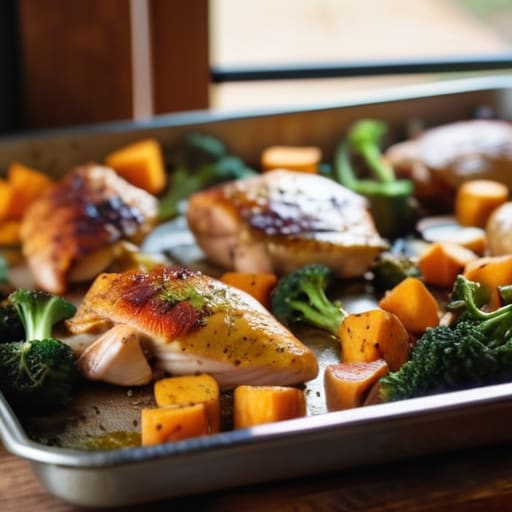
When the workday runs late and the kids are starting to get restless, the last thing you need is a sink full of pots and pans. I’ve found that the sheet pan method is the ultimate way to outsource the heavy lifting to your oven. Toss some chicken thighs, chopped sweet potatoes, and broccoli florets onto a single tray with olive oil and salt, and let the heat do the work while you catch your breath.
Breakfast for Dinner

We often overcomplicate the concept of a “proper” dinner, but sometimes the simplest solution is to look backward. Eggs and whole-grain toast are incredibly easy to whip up, and most kids will eat them without a fight. I call this the emergency fallback plan for those nights when your mental bandwidth is at zero.
The One-Pot Pasta Hack
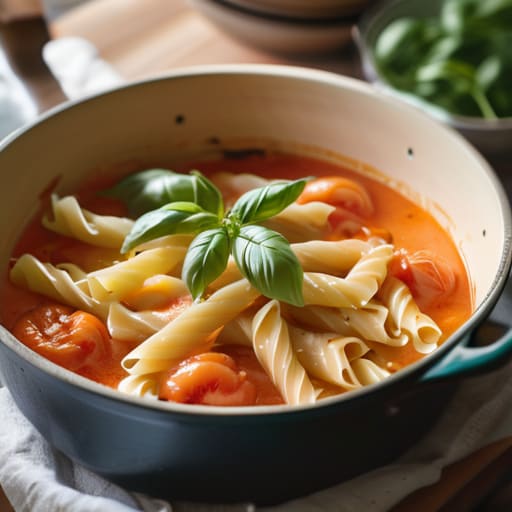
Traditional pasta requires boiling water, draining it, and then making a separate sauce—it’s a lot of unnecessary movement. Instead, try the one-pot approach where you cook the noodles directly in a mixture of broth, a little tomato sauce, and milk. This method creates a naturally creamy texture because the starch from the pasta stays in the pot rather than being poured down the drain.
Build-Your-Own Taco Bar
One of the biggest friction points in feeding kids is the “picky eater” variable. Instead of plating a finished meal and hoping for the best, set out small bowls of seasoned ground beef, shredded cheese, lettuce, and mild salsa. This shifts the responsibility of meal assembly onto them, turning dinner into a low-stress activity rather than a negotiation.
Slow Cooker Pulled Chicken
If you want to automate your evening, you need to start thinking about your morning. Throwing two chicken breasts and a jar of high-quality mild salsa into a slow cooker before you head out the door is a set-it-and-forget-it win. By the time you’re wrapping up your last consulting call, the protein is perfectly tender and ready to shred.
Deconstructed Sandwiches
Sometimes, a standard sandwich is too much of a sensory mess for a child, or they just want to pick at things. I recommend the deconstructed approach: a plate with slices of deli turkey, cubes of mild cheese, some whole-grain crackers, and cucumber slices. It’s essentially a simplified charcuterie board for kids.
Muffin Tin Medleys
This might sound like something out of a parenting magazine, but there is real utility in using a muffin tin for meal prep. You can bake small, bite-sized egg muffins with spinach and cheese in advance, or use the compartments to serve a variety of small portions like berries, nuts, and cheese cubes. It turns a meal into a modular experience.
Loaded Baked Potatoes
Potatoes are inexpensive, filling, and incredibly versatile. If you have a microwave or an oven, you have a meal. Scrub a couple of large russet potatoes, prick them with a fork, and let them cook. Once they’re soft, the possibilities for toppings are virtually endless, from simple butter and cheese to leftover chili or steamed broccoli.
## The Goal of the Dinner Table
Feeding kids shouldn’t feel like a second job or a tactical negotiation; the goal is to find the shortest path between a hungry child and a nutritious meal so you can actually sit down and enjoy the evening.
Marcus Holloway
Cutting Through the Kitchen Chaos
At the end of the day, the goal isn’t to become a gourmet chef or to win a culinary competition; it’s about minimizing decision fatigue. Whether you’re leaning on the simplicity of sheet-pan roasted chicken or the predictable comfort of a quick pasta dish, the objective remains the same: get nutritious food on the table without draining your mental battery. By implementing these streamlined meal solutions, you aren’t just feeding your kids; you are reclaiming your evening from the endless cycle of “what’s for dinner?” and the inevitable cleanup that follows.
Don’t let the pressure of perfectionism stall your progress. If a meal falls flat or a new recipe fails, don’t sweat it—just pivot and move on to the next one. Life is far too short to spend every single night fighting battles in the kitchen. Focus on building a repeatable system that works for your specific family dynamic, and use the time you save to actually sit down and connect with the people who matter most. Let the food be the fuel, and let the rest of your time be yours to enjoy.
Frequently Asked Questions
How do I handle picky eaters without turning every dinner into a battlefield?
Stop treating the dinner table like a negotiation room. If you’re fighting over broccoli, you’ve already lost the evening. My approach is simple: decouple the meal from the battle. Serve a “deconstructed” version of your main dish. Let them see the components—plain pasta, a pile of chicken, some raw carrots—without the sauce or the fuss. You provide the nutrition; they provide the autonomy. It reduces friction for you and gives them a sense of control.
What’s the most efficient way to prep these meals on a Sunday so I’m not cooking every single night?
Don’t try to cook everything from scratch on Sunday; that’s a recipe for burnout. Instead, focus on component prepping. Chop your vegetables, brown your proteins, and cook a large batch of a base grain like quinoa or rice. Store these in clear, modular containers. When Tuesday rolls around, you aren’t “cooking”—you’re just assembling. It turns a thirty-minute chore into a five-minute assembly line. Minimize the friction, maximize the recovery time.
Can I adapt these recipes for kids with common food allergies or sensitivities?
Absolutely. Most of these recipes are built on a foundation of simple, whole ingredients, which makes them easy to pivot. If you’re dealing with dairy or gluten sensitivities, swap the cheese for nutritional yeast or a high-quality plant-based alternative, and use grain-free pasta or corn-based options. The goal is to keep the friction low; don’t overthink the substitutions. Just swap the offending ingredient for a safe one and keep moving.
How do I balance "kid-approved" flavors with actual nutritional value so I'm not just feeding them empty calories?
The trick isn’t a complete overhaul; it’s about strategic substitution. Don’t fight the flavor profiles they already like—just upgrade the components. Swap white pasta for whole grain, or blend white beans into a creamy sauce to boost protein and fiber without changing the texture. It’s about reducing friction. If you try to force a kale salad on a toddler, you’ve lost. Aim for “stealth health” by fortifying the familiar rather than introducing the foreign.