I spent most of my twenties fueled by lukewarm coffee and whatever vending machine junk was within arm’s reach. It worked for a while, but eventually, the mid-afternoon brain fog became a liability I couldn’t afford. When you’re managing operations or navigating a complex project, you can’t afford to have your focus hijacked by a blood sugar crash. Most people treat snacking as an afterthought or a guilty pleasure, but if you want to maintain high performance, you need to treat it like fueling a machine. Finding reliable healthy snack ideas isn’t just about nutrition; it’s about eliminating the decision fatigue that drains your mental bandwidth before the workday is even over.
In this post, I’m cutting through the marketing noise to give you a streamlined list of eight high-utility options. These aren’t complicated recipes that require a trip to a specialty grocery store or an hour of prep time. Instead, I’ve selected eight efficient, low-friction snacks that provide sustained energy without the unnecessary fluff. My goal is to help you automate your nutrition so you can stop thinking about food and get back to what actually matters.
Most people grab a bag of processed crackers when they feel a dip in energy, but that’s a tactical error. You’re trading long-term stability for a quick hit of empty carbs. Instead, keep a jar of raw almonds or walnuts at your desk. They provide the healthy fats and protein necessary to keep your brain firing without the inevitable insulin spike.
Greek Yogurt Systems
If you have access to a fridge, Greek yogurt is one of the highest-utility snacks in your arsenal. It’s dense, filling, and offers a massive amount of protein for very little effort. I suggest buying the plain, unsweetened version. If you start buying the fruit-on-the-bottom varieties, you’re essentially just eating dessert disguised as health food.
Hard-Boiled Efficiency
There is a reason marathon runners and high-performers lean on eggs. They are a complete protein package. I usually spend about ten minutes on a Sunday night boiling a dozen eggs, then I don’t have to think about protein for the rest of the week. It is the definition of operational efficiency.
Apple and Nut Butter Pairing
This is my go-to when I need something that feels a bit more substantial but won’t weigh me down. An apple provides the fiber and hydration, while a tablespoon of almond or peanut butter provides the satiety. It’s a classic combination for a reason: it actually works.
Hummus and Raw Veggies
If you’re someone who craves crunch, skip the potato chips. They are a distraction. Instead, keep sliced cucumbers, bell peppers, or carrots on hand to pair with a decent hummus. You get the sensory satisfaction of the crunch without the inflammatory oils found in most snack foods.
Cottage Cheese Optimization
Cottage cheese often gets a bad rap for its texture, but from a purely functional standpoint, it is a powerhouse. It is incredibly high in casein protein, which digests slowly. This makes it the ideal tool for sustained energy release, preventing that 3:00 PM crash that kills so many productive afternoons.
Edamame Deployment
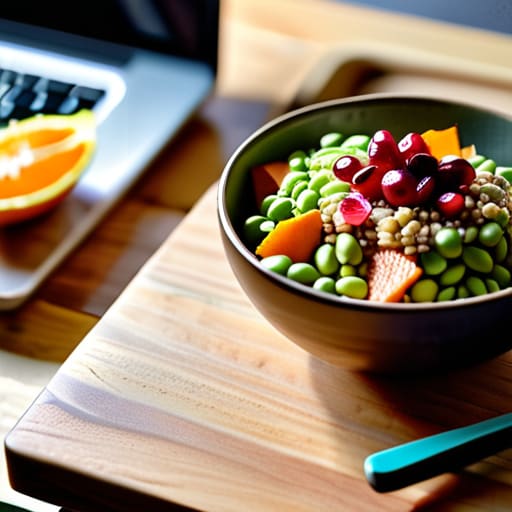
For a snack that requires a tiny bit more “active” engagement, frozen edamame is a winner. You can buy them in steamable bags that take three minutes in the microwave. It’s a great way to force yourself to slow down and actually eat your food rather than inhaling it while staring at a spreadsheet.
Dark Chocolate and Almonds
Sometimes, the urge for something sweet is unavoidable. When that happens, don’t fight it with willpower alone—that’s a losing battle. Instead, pivot to a small piece of high-quality dark chocolate (at least 70% cacao) paired with a few almonds.
The Cost of Decision Fatigue
“A snack shouldn’t be a negotiation with your willpower. If you have to debate whether to eat it, you’ve already lost the battle. The goal isn’t just nutrition; it’s removing the friction of choice so you can keep your focus where it belongs.”
Marcus Holloway
Cutting the Noise
At the end of the day, the goal isn’t to become a gourmet chef or follow a restrictive, complicated meal plan. It’s about minimizing decision fatigue. Whether you’re grabbing a handful of almonds, prepping some Greek yogurt, or keeping sliced bell peppers in the fridge, the objective is the same: high-utility fuel that doesn’t require a mental overhaul. By stocking your pantry with these eight options, you’re essentially building a buffer against the chaos of a busy workday. You stop reacting to hunger with whatever processed junk is within arm’s reach and start making intentional, efficient choices that keep your energy levels stable.
I spent years in corporate environments where “lunch” was often a lukewarm slice of pizza or a vending machine granola bar that tasted like cardboard. I learned the hard way that poor fuel leads to poor focus. Don’t let your biology become a bottleneck for your productivity. Treat your nutrition like you would a well-oiled machine or a finely tuned synthesizer—give it exactly what it needs to function optimally without the unnecessary friction. Start small, pick two or three of these ideas, and automate your snacking so you can get back to the work that actually matters.
Frequently Asked Questions
How do I prep these snacks without spending my entire Sunday in the kitchen?
Don’t fall into the “meal prep trap” of spending five hours in a kitchen for a week of mediocre food. That’s high-friction. Instead, use a batch-and-assembly approach. Spend twenty minutes on Sunday washing fruit, portioning nuts into jars, or hard-boiling a dozen eggs. These are modular components, not complex recipes. Prep the building blocks, not the finished meals. It keeps your Sunday intact and your weekday decision fatigue at zero.
What are some high-protein options that won't require a fridge while I'm on the move?
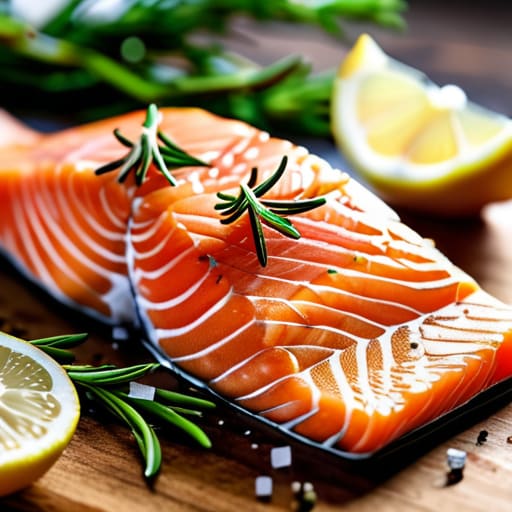
If you’re moving and can’t rely on a fridge, stop overthinking it. Stick to shelf-stable, high-density options. Beef or turkey jerky is the obvious win—just watch the sodium. Almonds or pumpkin seeds provide a solid protein-to-fat ratio without the prep. If you need something more substantial, single-serve tuna or salmon pouches are game-changers; they’re lightweight, require no draining, and offer pure utility. Keep them in your bag and skip the decision fatigue.
How can I keep these snacks from becoming a source of decision fatigue during a busy workday?
Stop treating snack time like a strategic planning session. If you’re standing in front of the pantry debating between an apple or almonds, you’ve already lost the battle against decision fatigue.
Are there ways to scale these ideas for a family without doubling my grocery bill?
Scaling for a family doesn’t have to mean a massive spike in your overhead. The trick is moving from individual portions to bulk procurement. Stop buying the pre-portioned snack packs; they’re a convenience tax you don’t need to pay. Buy the large bags of nuts, oats, or Greek yogurt and use my method: portion them out yourself into reusable containers. It’s more upfront work, but it slashes the unit cost and keeps the chaos manageable.
I spent years in corporate operations where every single variable had to be documented, measured, and audited. I used to carry that same rigid mindset into my kitchen, paralyzed by glossy cookbooks that demanded precise milligram measurements and exotic ingredients I didn’t have time to source. It was a massive waste of mental bandwidth. Most people think learning how to cook without a recipe requires some innate, mystical talent, but that’s a lie. It’s not about magic; it’s about understanding functional systems and flavor profiles so you can stop acting like a line cook and start acting like a chef.
I’m not here to give you a list of “inspirational” cooking tips or tell you to “follow your heart.” I’m going to show you how to build a mental framework that allows you to look at a random assortment of ingredients in your fridge and turn them into a real meal. We are going to focus on the logic of acidity, fat, and heat to automate your intuition. By the end of this, you’ll have the tools to ditch the screen and the paper, freeing up your time and your mind for things that actually matter.
The secret isn’t some hidden talent; it’s about moving away from rigid instructions and toward understanding cooking ratios. Most recipes are just glorified math problems. If you know that a standard vinaigrette is three parts oil to one part acid, or that a sauté requires a specific fat-to-protein ratio, you stop being a slave to a screen. Once you grasp these culinary fundamentals, you realize that a recipe is just a suggestion, not a law. You start looking at your ingredients as variables in a system rather than a checklist of demands.
Instead of hunting for a specific brand of spice, lean into pantry staple improvisation. If a recipe calls for cumin and you’re out, look at your spice rack and find a way to bridge that gap with what you actually have on hand. This is where you start seasoning by taste—the most important feedback loop in the kitchen. Don’t wait until the dish is plated to decide if it’s good. Taste it at every stage. Adjust the salt, hit it with a squeeze of lemon to brighten the heavy fats, or add a pinch of heat. When you stop following the manual and start trusting your palate, you reclaim the most valuable thing in the kitchen: your autonomy.
Mastering Culinary Fundamentals for Beginners
If you want to stop being a slave to a cookbook, you have to stop looking at ingredients as isolated items and start seeing them as functional components. I spent years in operations thinking everything needed a rigid SOP, but cooking is different. You need to understand the “why” behind the heat and the acid. Learn how fat carries flavor, how salt transforms texture, and how acid cuts through heaviness. Once you grasp these basic mechanics, you aren’t just following a list of steps; you are managing a chemical reaction in real-time.
Don’t get bogged down in culinary school theory, either. Focus on the big three: heat control, seasoning, and timing. If you can master the ability to adjust your flame when a pan gets too hot, or know exactly when a sauce has reduced enough to coat a spoon, you’ve already won half the battle. Build a toolkit of techniques rather than a mental library of recipes. That is how you move from being a person who follows instructions to someone who actually knows how to cook.
Understanding Cooking Ratios to Eliminate Guesswork
If you want to stop staring at a screen for instructions, you need to stop thinking in grams and start thinking in proportions. Most recipes are just specific applications of basic mathematical relationships. For example, a standard vinaigrette isn’t a mystery; it’s just three parts oil to one part acid. Once you internalize that ratio, you can swap lemon juice for red wine vinegar or olive oil for avocado oil without ever needing to consult a cookbook again. It’s about learning the underlying architecture of the dish rather than memorizing a list of ingredients.
This logic applies to almost everything in the kitchen, from grains to sauces. A simple roux is just equal parts fat and flour; a basic risotto follows a predictable liquid-to-rice ratio. When you master these frameworks, you aren’t just “winging it”—you are operating with a set of mental blueprints. This is how you eliminate the cognitive load of cooking, turning a stressful chore into a predictable, repeatable process.
Automate Your Palate Through Flavor Profiling Techniques
Once you’ve grasped the math behind the ratios, you need to move from logic to instinct. This is where flavor profiling techniques come into play. Think of it like tuning an old analog synth: you aren’t just looking for a single note; you’re looking for the right balance of frequencies. Most dishes fail not because they lack ingredients, but because they lack equilibrium. If a sauce tastes flat, don’t reach for more salt immediately. It might actually need acid—a squeeze of lemon or a splash of vinegar—to brighten the heavy notes.
I treat my kitchen like an operations workflow. I categorize ingredients into functional groups: fats, acids, salts, and heat. When I’m practicing pantry staple improvisation, I don’t look for a specific brand of spice; I look for the role that spice plays. Need earthiness? Grab cumin. Need brightness? Use lime. By building flavor profiles based on these categories rather than a list of nouns, you stop being a slave to the cookbook. You start making decisions based on what the pan is actually telling you. It’s about moving from manual input to a more automated, intuitive way of operating.
Building Flavor Profiles From Scratch
Think of flavor profiling like debugging a piece of software; you aren’t just throwing code at a wall to see what sticks, you are looking for specific imbalances. Most amateur cooks struggle because their food tastes “flat.” Usually, that’s because they’ve neglected the fundamental tension between salt, fat, acid, and heat. If a dish feels heavy or dull, don’t reach for more salt immediately. Instead, try adding a squeeze of lemon or a splash of vinegar. That hit of acidity acts as a functional reset for your taste buds, cutting through the richness and making every other ingredient pop.
Once you understand that tension, you can start building complexity intentionally. Start with a base—your fats and aromatics like garlic or onions—and then layer in your seasonings. If you find a dish is too aggressive, you don’t need a new recipe; you just need a counterweight. A bit of honey can tame a spicy salsa, just as a dash of cream can soften a sharp tomato sauce. Mastering these pivots allows you to stop reading instructions and start reacting to what’s actually in the pan.
Seasoning by Taste to Cut the Fluff
Most people treat seasoning like a checklist: one teaspoon of salt, a pinch of pepper, move on. That’s a recipe for mediocrity. If you want to stop being a slave to the measuring spoon, you need to start treating your palate like a feedback loop. Instead of following a set of arbitrary instructions, take a small spoonful of whatever you’re working on and actually analyze the components. Is it flat? It needs acid. Is it aggressive? It needs fat or starch to balance it out.
This isn’t about guessing; it’s about real-time data collection. I’ve spent years optimizing workflows in the corporate world, and the principle is the same: you can’t fix a process if you aren’t monitoring the output. In the kitchen, your tongue is the only sensor that matters. Stop looking at the cookbook and start trusting your sensory input to tell you when the dish is actually finished.
Optimizing Your Kitchen for High Utility Improvisation
If you want to cook intuitively, you can’t be fighting your own environment. I’ve spent years optimizing workflows in the corporate world, and the same logic applies to your kitchen: friction is the enemy of creativity. If you have to dig through a cluttered cabinet every time you need a pinch of cumin, you’ll eventually give up and order takeout. To master pantry staple improvisation, you need a setup where the essentials are within arm’s reach. Think of it like a well-organized workbench. Your oils, acids (like vinegars and citrus), and primary spices should be positioned for immediate access. When your tools and ingredients are laid out logically, you stop thinking about the logistics and start focusing on the actual execution.
Efficiency also means knowing exactly what you have on hand so you can apply flavor profiling techniques on the fly. I keep a small, dedicated section of my pantry for “high-utility” items—the stuff that can turn a bland grain bowl into a real meal in thirty seconds. This isn’t about hoarding ingredients; it’s about strategic selection. When you have a reliable baseline of aromatics, fats, and acids ready to go, you aren’t just following a process—you are managing a system that allows for effortless, high-quality results every single time you walk into the kitchen.
Pantry Staple Improvisation for Faster Meals
Stop treating your pantry like a museum of unopened cans. If you want to cook without a script, you need to view your shelves as a modular system of building blocks rather than a collection of individual ingredients. A tin of chickpeas, a jar of sun-dried tomatoes, and a bag of farro aren’t just items; they are the raw components of a meal that can be assembled in ten minutes. The goal is to build a reliable inventory of versatile bases that can be pivoted toward any flavor profile you’re craving that night.
When you’re tired after a long day of consulting, you don’t want to be scrolling through food blogs. Instead, lean on your staples to bridge the gap. If you have grains, a protein, and an acid—like vinegar or citrus—you have a meal. Don’t wait for the perfect grocery haul to arrive; use what is already within reach to eliminate the decision fatigue that usually kills your evening.
The Logic of Rapid Flavor Profiling
Think of flavor profiling like an operations manual for your taste buds. You don’t need to memorize a thousand different recipes; you just need to understand the underlying architecture of how ingredients interact. Most successful dishes rely on a predictable tension between opposing forces—salt, fat, acid, and heat. When a dish feels “off,” it’s rarely because you missed a specific spice; it’s usually because the balance is skewed. If it’s too heavy, add acid. If it’s too sharp, add fat. Once you grasp this fundamental equilibrium, you stop guessing and start adjusting with intention.
This isn’t about culinary artistry or getting lost in the weeds of gourmet plating. It’s about efficiency. By categorizing your ingredients into these functional groups, you create a mental framework that allows for rapid, real-time decision-making. You aren’t searching for a recipe; you are executing a system that works every single time, regardless of what happens to be in your fridge.
Five Rules for Cutting the Culinary Red Tape
Trust your senses over the screen. If a recipe calls for a teaspoon of salt but your palate says it needs more, listen to your tongue, not the manual. Your senses provide real-time data that a printed page never can.
Learn the “why” behind the technique. Don’t just memorize that you sauté onions; understand that you’re performing a Maillard reaction to build a flavor base. Once you understand the mechanics, the specific instructions become obsolete.
Build a modular pantry. Keep high-utility components—acids like lemon or vinegar, fats like olive oil, and aromatics like garlic—on hand at all times. Having these ready allows you to pivot mid-meal without breaking your workflow.
Embrace the “controlled error.” If you realize halfway through that you’ve added too much heat, don’t panic and scrap the meal. Use a counter-agent—fat or acid—to balance the scale. It’s just troubleshooting.
Stop aiming for perfection and start aiming for edible logic. A meal doesn’t need to look like a staged photograph to be successful. If the ratios are sound and the seasoning is balanced, you’ve won. Move on to the next task.
The Efficiency of Intuition
“A recipe is just a roadmap for someone who doesn’t know the terrain; once you understand the mechanics of flavor, you can stop following directions and start driving.”
Marcus Holloway
Cutting the Cord
At this point, you should have the framework to stop treating your kitchen like a chemistry lab and start treating it like an efficient operation. We’ve covered the essentials: mastering the fundamental ratios, building a mental library of flavor profiles, and optimizing your pantry so you aren’t hunting for a single missing ingredient halfway through a meal. Cooking without a recipe isn’t about being a wild, unpredictable chef; it’s about eliminating the friction of constant instruction-seeking. When you understand the underlying logic of how salt, acid, and fat interact, you stop being a slave to a printed page and start becoming a master of your own time.
My advice is simple: stop overthinking it. The next time you’re hungry and the fridge looks uninspiring, don’t reach for your phone to scroll through a food blog. Instead, grab your knife, trust your senses, and apply the principles we’ve discussed. You’ll make mistakes, sure—maybe a sauce will be too acidic or a roast will be slightly under-seasoned—but those are just data points for your next attempt. The goal isn’t perfection; it’s cognitive freedom. Once you automate the decision-making process in the kitchen, you reclaim the mental bandwidth to actually enjoy the food and the company around the table. Get in there and cook.
Frequently Asked Questions
What do I do if I realize I’ve completely over-seasoned a dish halfway through cooking?
Don’t panic. It happens to the best of us. If you’ve gone overboard on salt or spice, stop adding anything immediately. The goal is dilution or neutralization. If it’s too salty, add an acid like lemon juice or vinegar to balance the perception, or toss in a starch—like a potato—to soak up some of the excess. If it’s a heat issue, reach for fat: cream, butter, or avocado. Adjust the volume, not just the flavor.
How can I tell if I'm actually following these principles or if I'm just guessing and hoping for the best?
The difference between “guessing” and “informed improvisation” is consistency. If you’re just throwing salt in a pan and praying, you’re gambling. If you’re tasting, identifying a lack of acidity, and adding a squeeze of lemon to balance the fat, you’re executing a principle. True mastery isn’t about being right every time; it’s about knowing exactly why a dish failed and having the logic to fix it on the fly. That’s the goal.
Are there specific "anchor" ingredients I should always keep on hand to make this improvisation easier?
Think of these as your kitchen’s operating system. You don’t need a massive pantry, just a reliable set of defaults. Keep high-quality olive oil, kosher salt, and black peppercorns for base layers. For acidity, always have lemons or rice vinegar. For depth, keep soy sauce, Dijon mustard, and a few dried spices like smoked paprika or cumin. If you have these anchors, you can pivot any meal from bland to intentional in seconds.
How do I transition from following a recipe to this method without feeling like I'm wasting food through trial and error?
The fear of wasting ingredients is real, but you don’t have to jump off a cliff. Start with “controlled improvisation.” Take a recipe you already know by heart and intentionally swap just one variable—maybe a different acid or a different fat. Think of it as a pilot program. You aren’t guessing; you’re testing a single hypothesis. Once you master those small, low-stakes adjustments, the confidence to go full rogue will follow naturally.
I’ve spent two decades watching people burn themselves out before they even finish their first cup of coffee. We’ve been conditioned to believe that a productive day requires a complex, multi-step morning ritual, but that’s a lie that creates nothing but unnecessary friction. Most of the time, you aren’t failing at your career; you’re just losing the battle against your own schedule because you haven’t built a reliable system for a quick breakfast for busy mornings. When you’re operating on empty, your decision fatigue sets in by 10:00 AM, and that’s when the real mistakes happen.
I don’t care about gourmet plating or trendy superfood bowls that take twenty minutes to assemble. I care about utility and efficiency. In this list, I’m breaking down eight high-leverage breakfast options designed to get you fed and out the door without draining your mental bandwidth. These aren’t just recipes; they are plug-and-play systems meant to automate your nutrition so you can reclaim your time. Let’s cut the fluff and get to the fuel.
If you’re still standing in front of the pantry every morning wondering what to eat, you’ve already lost the battle. I treat my breakfast like an operations problem: you need to front-load the effort. By preparing overnight oats in a mason jar the night before, you eliminate the decision fatigue that plagues most people before they’ve even had their coffee.
The High-Protein Smoothie Hack
Smoothies often get a bad rap for being “sugar bombs,” but if you approach them with a bit of structural discipline, they are a powerhouse. The key is to stop improvising every morning. I keep a dedicated bin in my freezer filled with pre-portioned smoothie packs—think spinach, frozen berries, and half a banana—so there is zero prep work required when the alarm goes off.
Hard-Boiled Egg Batching
Eggs are arguably the most efficient fuel source on the planet, but boiling them one by one is a waste of your limited time. My rule is simple: if you are boiling eggs, you boil a dozen. I spend ten minutes on a Sunday afternoon creating a sturdy supply that lasts me through the better part of the week.
Greek Yogurt and Nut Clusters
Most people treat yogurt as a dessert, which is a mistake. If you want it to work as a functional breakfast, you need to focus on the macro profile. I opt for plain, unsweetened Greek yogurt to avoid the unnecessary sugar spikes that lead to a mid-morning slump.
The Savory Avocado Toast Upgrade
Toast is often seen as a “lazy” breakfast, but it can be a highly effective tool if you optimize the ingredients. Instead of just spreading butter on bread, I use a high-fiber sprouted grain toast as my base. It provides a steady release of energy rather than a quick spike and crash.
Nut Butter and Fruit Slices
Sometimes, the best system is the one that requires no equipment at all. If you are traveling or dealing with a particularly chaotic morning, the combination of nut butter and fruit is your best fallback. It is a classic for a reason: it works.
Breakfast Burritos in Bulk
If you have an extra thirty minutes on a Sunday, you can solve your breakfast problem for the entire work week. I make a large batch of breakfast burritos—eggs, black beans, cheese, and perhaps a little chorizo—and wrap them individually in foil.
Chia Seed Pudding Prep
For those who prefer something lighter but still want to avoid the mid-morning hunger pangs, chia pudding is an underrated tool. Like the overnight oats, this is a set-it-and-forget-it solution. Chia seeds are incredibly efficient at absorbing liquid, turning a simple mixture into a satisfying, gel-like pudding overnight.
The Philosophy of Morning Efficiency
“A breakfast shouldn’t be a project; it should be a fuel source. If your morning routine requires more cognitive load than your first meeting of the day, you haven’t built a meal—you’ve built a friction point.”
Marcus Holloway
Cutting the Morning Friction
At the end of the day, breakfast shouldn’t be a source of decision fatigue. Whether you’re opting for the zero-effort route of overnight oats or the high-protein efficiency of a pre-prepped egg bite, the goal remains the same: eliminate the friction between waking up and starting your work. You don’t need a gourmet spread to be productive; you just need a reliable system that requires minimal cognitive load. Pick one or two of these methods that actually fit your current workflow and test them for a week. If a system feels like a chore, scrap it and try another. The point isn’t perfection; it’s utility.
We often spend our mornings reacting to the chaos of the day instead of setting the pace ourselves. By automating this one small, repetitive task, you aren’t just saving ten minutes of cooking time—you are reclaiming your mental bandwidth for the things that actually move the needle. Stop treating your morning routine like an obstacle course and start treating it like an operational advantage. Once you master the mundane, you free yourself to focus on the meaningful. Now, close this tab, go prep something for tomorrow, and get your time back.
Frequently Asked Questions
How can I meal prep these options on a Sunday without spending my entire weekend in the kitchen?
Don’t fall into the trap of “cooking for the week.” That’s how you end up with a fridge full of soggy leftovers by Wednesday. Instead, prep components, not meals. Roast a massive tray of vegetables, boil a dozen eggs, and cook a large batch of grains all at once. Use these building blocks to assemble your breakfast in under two minutes each morning. Efficiency isn’t about doing everything once; it’s about reducing the number of decisions you make.
Are there ways to make these quick options more satiating if I have a long stretch of meetings without a break?
If you’re staring down a four-hour gauntlet of back-to-back meetings, “quick” isn’t enough; you need staying power. The secret is adding a structural anchor: protein and healthy fats. Don’t just eat oats; stir in some chia seeds or a scoop of Greek yogurt. Don’t just grab toast; add an avocado or a hard-boiled egg. It’s about slowing down digestion so your blood sugar doesn’t crater mid-presentation. Build for stability, not just speed.
What’s the best way to manage the cleanup so I’m not staring at a sink full of dishes before my workday even starts?
The secret isn’t a better sponge; it’s a better system. Apply the “Clean as You Go” rule with religious intensity. While the coffee brews or the toast pops, clear the counter. Never leave a kitchen with a “to-do” list hanging over your head. If it takes less than sixty seconds—rinsing a bowl, wiping a crumb—do it immediately. Eliminate the pile before it forms, and you’ll start your workday with a clear mind, not a chore.
Can I adapt these systems for a commute if I'm not eating at my desk or at home?
You can, but you have to change your hardware. If you aren’t at a desk, “grab-and-go” becomes your primary metric. Think spill-proof and one-handed. Switch from bowls to mason jars or insulated thermoses for overnight oats. Swap a fork for a high-quality travel mug for smoothies. The goal remains the same: minimize the mess and the mental load. If it requires a napkin and a seated position, it’s not a commute-friendly system.
I was staring at a bag of wilted, slimy spinach last Tuesday—another twenty dollars down the drain—and I realized I was falling for the same trap as everyone else. We’ve been sold this lie that we need a kitchen full of specialized, high-tech vacuum sealers and expensive, color-coded gadgetry just to keep a head of lettuce alive for more than three days. It’s a massive waste of both money and mental energy. Most people overcomplicate the simple science of how to store food properly, turning a basic survival skill into a cluttered, expensive hobby.
I’m not here to sell you a subscription to a premium container system or a lifestyle blog’s version of “aesthetic” pantry organization. My goal is to give you a frictionless system that actually works in a real, busy kitchen. I’m going to show you the pragmatic, low-maintenance methods I use to stop the rot and reclaim my grocery budget. We’re going to cut through the kitchen clutter and focus on the utility of preservation so you can stop throwing money in the trash.
Most people treat their refrigerator like a black box—you shove things in, close the door, and hope for the best. That’s a recipe for wasted money and constant trips to the grocery store. To actually automate your kitchen efficiency, you need to stop guessing and start monitoring. For optimal preventing food spoilage, your fridge needs to sit between 35°F and 38°F (1.6°C to 3.3°C). Anything higher and you’re inviting bacteria to a party; anything lower and you’re turning your produce into an ice block.
I’ve found that relying on the built-in dial is a mistake. Those things are notoriously imprecise. If you want to get serious about the shelf life of perishables, buy a cheap, standalone digital thermometer. Place it in a glass of water in the center of the middle shelf to get an accurate reading of the actual ambient temperature.
Once you’ve dialed in the temperature, keep the door closed. Every time you stand there staring into the light, searching for the mustard, you’re causing a temperature spike that compromises your food. It’s a small friction point, but over time, it’s the difference between a crisp head of lettuce and a slimy mess.
Preventing Food Spoilage Without the Effort
If you’re still relying on the original plastic packaging your groceries came in, you’re essentially asking for waste. Those flimsy wraps and flimsy grocery bags aren’t designed for long-term preservation; they’re designed for shipping. To actually succeed at preventing food spoilage, you need to invest in a uniform set of high-quality glass or BPA-free containers. The airtight container benefits are non-negotiable: they create a controlled environment that halts the oxidation process and keeps moisture where it belongs. It’s a one-time setup that pays for itself in saved grocery bills within a few months.
I also recommend a “First In, First Out” (FIFO) approach for your pantry and fridge. It sounds like corporate jargon, but it’s just basic logistics. When you bring home new supplies, move the older items to the front. This simple habit, combined with some basic pantry organization tips, ensures you aren’t constantly discovering “science experiments” tucked in the back of a dark cupboard. Stop treating your kitchen like a graveyard for forgotten ingredients and start treating it like a streamlined supply chain. Efficiency isn’t about doing more; it’s about reducing the friction of your daily routine.
Five Low-Friction Rules for a More Efficient Kitchen
Group your perishables by “shelf life” rather than food type. I keep a small bin in the fridge for “eat now” items—things like opened yogurt or half-used veggies—so I don’t have to dig through the crisper drawer to realize something is about to die.
Invest in glass, not plastic. Plastic containers stain, retain odors, and eventually degrade. Glass is easier to clean, lasts forever, and lets you see exactly what you have at a glance, which stops the “mystery container” syndrome.
Stop washing your berries right away. Moisture is the enemy of longevity. Keep them dry in the fridge and only wash them right before you actually intend to eat them; it’s a small habit that can add three or four days to their lifespan.
Use your freezer as a buffer, not a graveyard. If you realize you won’t get to that steak or that bag of spinach by Thursday, move it to the freezer immediately. Don’t wait for the expiration date to pass; automate the decision to save it before it’s too late.
Master the art of the “First In, First Out” (FIFO) method. It’s a simple logistics principle I used in operations that works perfectly for groceries. When you get home from the store, move the older items to the front and put the new stuff in the back. It takes thirty seconds and prevents unnecessary waste.
The Cost of Chaos
“A disorganized fridge isn’t just a mess; it’s a leak in your budget and a drain on your mental bandwidth. Stop treating food storage like an afterthought and start treating it like an operational system.”
Marcus Holloway
The Bottom Line
At the end of the day, proper food storage isn’t about becoming a gourmet chef or a professional organizer; it’s about eliminating systemic waste. We’ve covered the essentials: dialing in your refrigerator temperature, understanding the nuances of moisture control, and setting up a workflow that prevents spoilage before it starts. When you treat your kitchen like a well-oiled operation rather than a chaotic dumping ground, you stop throwing money into the trash bin every single week. It’s a simple matter of applying a bit of logic to your grocery routine to ensure that what you buy actually ends up on your plate.
My goal isn’t to give you more chores; it’s to help you build a system that works so you don’t have to think about it. Every minute you spend perfecting these small habits is time reclaimed from the cycle of constant grocery runs and mid-week mealtime panic. Once you automate these basic protocols, you free up the mental bandwidth to focus on the things that actually matter—like enjoying a good meal or finally getting around to that hobby you’ve been neglecting. Stop fighting the friction and start building a kitchen that supports your life instead of draining it.
Frequently Asked Questions
How do I know if a food item is actually still safe to eat, or if I'm just being overly cautious?
Look, I get it. The “sniff test” feels unreliable, and the fear of food poisoning is a massive mental drain. Here’s my rule of thumb: trust your senses, but prioritize data. If it smells off, looks slimy, or the packaging is bloated, toss it. Don’t negotiate with mold. If you’re unsure about something that’s past its “best by” date, check the texture and scent. If it’s suspicious, the cost of a replacement is lower than the cost of a sick day.
Is it worth the extra time and money to invest in high-end vacuum sealers and specialized containers?
If you’re running a high-volume kitchen or buying in bulk to save money, a vacuum sealer is a non-negotiable tool for your efficiency stack. It eliminates the guesswork of spoilage and maximizes your ROI on groceries. However, if you’re just meal prepping a few days at a time, don’t overcomplicate it. Good glass containers do the job fine. Invest in the tech only if it actually buys you back time and reduces waste.
What’s the most efficient way to organize my pantry so I don't end up buying duplicates of things I already have?
Stop the duplicate buying cycle with a “First-In, First-Out” (FIFO) system. It’s a simple logistics principle: when you buy new supplies, move the older items to the front. Use clear, uniform containers for staples like flour or pasta; if you can’t see it, you’ll forget it exists. Finally, keep a running list on a magnetic notepad on the pantry door. Check it before you hit the store. Don’t guess. Just track.
Which specific fruits and vegetables should never be stored near each other to prevent premature rotting?
Keep your ethylene producers away from the sensitive stuff. If you store apples, avocados, or tomatoes right next to leafy greens or cucumbers, those gases will turn your produce into mush overnight. It’s a simple chemical reaction that creates unnecessary friction in your kitchen. Group your gas-emitters together and keep your greens separate. It’s a small adjustment that automates freshness and stops you from throwing money in the trash.
I spent two decades in corporate operations, where I learned that the most expensive thing you own isn’t your car or your house—it’s your time. Most of us spend far too much of our evening bandwidth stuck in a cycle of prep, cooking, and then the inevitable, soul-crushing mountain of dishes. We try to eat well, but the friction of a complex kitchen setup usually wins, leading to expensive takeout and wasted mental energy. That’s why I’ve become obsessed with streamlining my kitchen workflow through easy one pot meals. If you can’t prepare a decent dinner without turning your kitchen into a disaster zone, you aren’t being efficient; you’re just working for free after your actual job is done.
In this guide, I’m cutting through the culinary noise to give you eight high-utility recipes that prioritize both nutrition and minimal cleanup. These aren’t just random suggestions; they are tactical solutions designed to help you reclaim your evening. I’ll show you exactly how to leverage a single vessel to produce maximum flavor with zero unnecessary complexity. Let’s get to the utility.
There is nothing quite like a slow-simmered beef stew to anchor your week. I like to throw chunks of chuck roast, root vegetables, and a decent stock into a heavy Dutch oven and let the heat do the heavy lifting while I focus on other things. It’s the ultimate low-maintenance fuel for someone who doesn’t want to hover over a stove for an hour.
Lemon Garlic Chicken and Orzo
If you need something that feels a bit more refined but still fits within a single pan, this is my go-to. You sear the chicken thighs first to lock in the flavor, then toss the orzo directly into the same pan with some chicken broth and lemon. The starch from the pasta creates a natural sauce that binds everything together without needing a dozen extra condiments.
One-Pan Sausage and Pepper Roast
This is what I call the “set it and forget it” method for busy weekdays. You slice up some high-quality sausages, bell peppers, and onions, toss them in olive oil and dried oregano, and spread them across a sheet pan. You aren’t even really “cooking” here; you are simply managing a process that the oven completes for you.
Red Lentil Dahl
For those days when you want to keep things light but incredibly satiating, a red lentil dahl is unbeatable. You throw lentils, coconut milk, turmeric, and spices into a single pot and let them soften into a creamy consistency. It’s a high-fiber powerhouse that requires almost no technical skill to execute.
Pesto Pasta with Cherry Tomatoes
This is my “emergency” meal for when the workday has run long and my patience for complexity is zero. You boil your pasta, and in the last three minutes, you toss in a handful of cherry tomatoes. Drain it, stir in a high-quality jarred pesto, and you are done. It’s maximum utility with minimal effort.
Mediterranean Shakshuka
Most people think of eggs as a breakfast-only affair, but shakshuka is a masterclass in one-pan dinner efficiency. You simmer a spiced tomato sauce in a skillet, crack a few eggs directly into the liquid, and cover it until the whites are set. It’s a single-vessel solution that feels incredibly hearty.
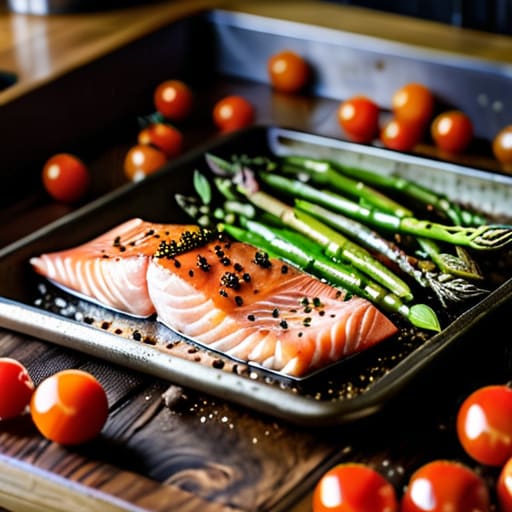
Shrimp and Asparagus Stir-Fry
When you need protein fast, shrimp is your best ally because it cooks in a matter of minutes. Toss some asparagus spears and shrimp into a hot pan with ginger, garlic, and a splash of soy sauce, and you have a meal that is ready before you can even finish a phone call. It is the speed-demon of one-pan cooking.
Black Bean and Corn Quesadillas
This isn’t just for college students; it’s a pragmatic tool for anyone looking to bypass the kitchen entirely. By using a single skillet to crisp up tortillas filled with beans, corn, and cheese, you create a meal that is dense in nutrients and incredibly fast to assemble.
The Efficiency of the Single Pan
“A kitchen shouldn’t be a source of friction. Every extra pan you have to scrub is just more mental clutter stealing your evening. Master the one-pot meal, and you aren’t just saving time on cleanup—you’re reclaiming your ability to actually relax once the work is done.”
Marcus Holloway
Reclaim Your Evenings
At the end of the day, these eight recipes aren’t just about food; they are about reducing decision fatigue. Whether you’re leaning into a hearty one-pot pasta or a streamlined sheet-pan protein, the goal remains the same: minimize the prep, maximize the nutrition, and eliminate the cleanup. By shifting your cooking strategy from complex, multi-stage processes to these high-utility methods, you stop letting your kitchen dictate your schedule. You’re not just making dinner; you’re building a system that works for you, rather than forcing you to work for it.
I’ve spent enough years in high-pressure environments to know that the small frictions—like a sink full of dirty pans at 8:00 PM—are what eventually drain your battery. We often think we need more time, but what we actually need is more intentionality. Use these one-pot methods to automate the mundane aspects of your evening routine. Once the dishes are minimal and the cooking is predictable, you finally have the mental bandwidth to actually sit down, enjoy your meal, and focus on what matters. Now, go close the laptop and get to cooking.
Frequently Asked Questions
How do I prevent the ingredients at the bottom of the pot from burning while the rest of the meal cooks?
It comes down to heat management and liquid ratios. Most people crank the flame to high, thinking it speeds things up—it doesn’t; it just scorches the base. Keep it at a low simmer. Also, don’t skimp on the liquid. If you’re making something dense, add a splash more stock or water than the recipe calls for. If you see sticking, scrape the bottom immediately to incorporate those flavors without the burn.
Can I use a slow cooker or an Instant Pot for these recipes, or are they strictly stovetop-focused?
You can absolutely adapt these for a slow cooker or an Instant Pot. In fact, I’m a big proponent of using them to reclaim your evening. If you’re using a slow cooker, just increase your liquid slightly and expect a longer timeline. For the Instant Pot, keep an eye on the pressure settings to avoid mushy textures. The goal is utility—use whatever tool removes the most friction from your schedule.
What’s the best way to scale these recipes up if I’m meal prepping for the entire week?
Don’t just double the ingredients and hope for the best; that’s how you end up with mushy textures. Scale your proteins and hardy vegetables linearly, but be conservative with spices and liquids. Large batches retain more moisture and trap heat longer, which can overcook your food during the cooling phase. I find it’s more efficient to prep your components in bulk and combine them in smaller, controlled portions when it’s time to eat.
How do I know when to add specific ingredients so nothing turns to mush in a single pot?
Timing is everything. If you dump everything in at once, you’ll end up with a bowl of mush instead of a meal. Think of it as a hierarchy of structural integrity. Start with your aromatics and proteins to build the base. Add hearty vegetables like carrots or potatoes midway. Save the delicate stuff—spinach, peas, or soft herbs—for the final two minutes. Control the sequence, and you control the texture.