Posted on

Beyond Nuggets: Kid-approved Meals They’ll Actually Love

Healthy kid friendly meals for children.

I’ve spent two decades optimizing workflows for corporations, but nothing tests your operational efficiency quite like a Tuesday night with hungry children. Most parents treat dinner like a high-stakes negotiation, wasting precious mental bandwidth on what to cook and how to get it into a kid’s mouth without a meltdown. The reality is that the evening shouldn’t be a battlefield of decision fatigue; it should be a predictable, low-friction process. Finding reliable kid friendly meals isn’t just about nutrition—it’s about reclaiming your evening from the chaos of the kitchen.

In this guide, I’ve stripped away the culinary fluff to bring you eight streamlined meal solutions. These aren’t gourmet experiments that require a chemistry degree; they are practical, efficient, and highly repeatable options designed for high-output households. I’ll show you how to implement these eight ideas to automate your dinner routine, ensuring you spend less time hovering over a stove and more time actually relaxing once the day is done. Let’s get to the utility.

Table of Contents

The Sheet Pan Strategy

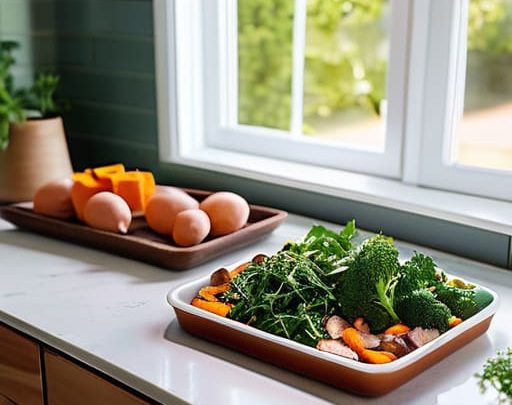
Chicken and vegetables using The Sheet Pan Strategy.

When the workday runs late and the kids are starting to get restless, the last thing you need is a sink full of pots and pans. I’ve found that the sheet pan method is the ultimate way to outsource the heavy lifting to your oven. Toss some chicken thighs, chopped sweet potatoes, and broccoli florets onto a single tray with olive oil and salt, and let the heat do the work while you catch your breath.

Breakfast for Dinner

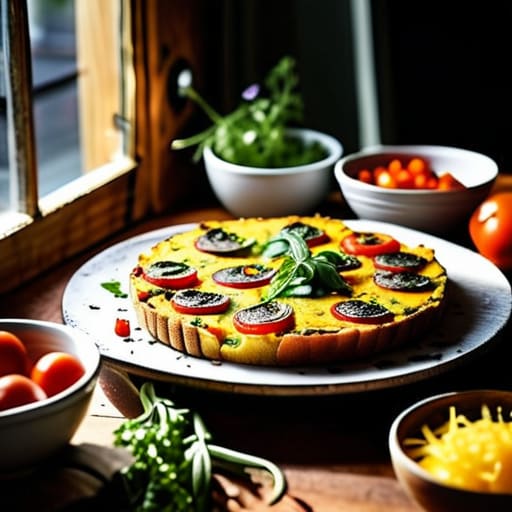
Eggs and toast for breakfast for dinner.

We often overcomplicate the concept of a “proper” dinner, but sometimes the simplest solution is to look backward. Eggs and whole-grain toast are incredibly easy to whip up, and most kids will eat them without a fight. I call this the emergency fallback plan for those nights when your mental bandwidth is at zero.

The One-Pot Pasta Hack

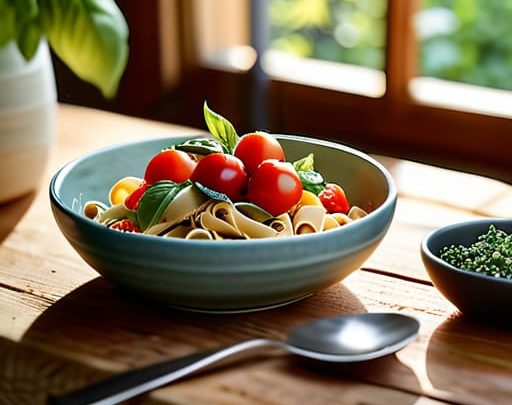
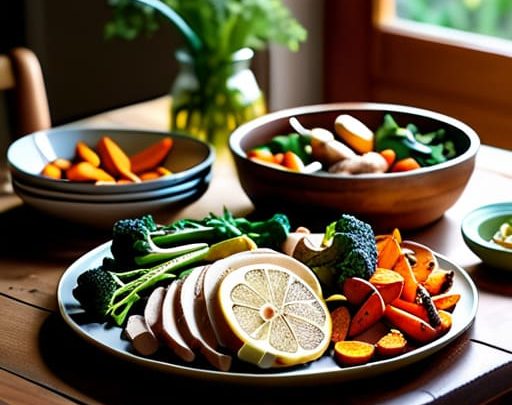
Creamy noodles using The One-Pot Pasta Hack.

Traditional pasta requires boiling water, draining it, and then making a separate sauce—it’s a lot of unnecessary movement. Instead, try the one-pot approach where you cook the noodles directly in a mixture of broth, a little tomato sauce, and milk. This method creates a naturally creamy texture because the starch from the pasta stays in the pot rather than being poured down the drain.

Build-Your-Own Taco Bar

One of the biggest friction points in feeding kids is the “picky eater” variable. Instead of plating a finished meal and hoping for the best, set out small bowls of seasoned ground beef, shredded cheese, lettuce, and mild salsa. This shifts the responsibility of meal assembly onto them, turning dinner into a low-stress activity rather than a negotiation.

Slow Cooker Pulled Chicken

If you want to automate your evening, you need to start thinking about your morning. Throwing two chicken breasts and a jar of high-quality mild salsa into a slow cooker before you head out the door is a set-it-and-forget-it win. By the time you’re wrapping up your last consulting call, the protein is perfectly tender and ready to shred.

Deconstructed Sandwiches

Sometimes, a standard sandwich is too much of a sensory mess for a child, or they just want to pick at things. I recommend the deconstructed approach: a plate with slices of deli turkey, cubes of mild cheese, some whole-grain crackers, and cucumber slices. It’s essentially a simplified charcuterie board for kids.

Muffin Tin Medleys

This might sound like something out of a parenting magazine, but there is real utility in using a muffin tin for meal prep. You can bake small, bite-sized egg muffins with spinach and cheese in advance, or use the compartments to serve a variety of small portions like berries, nuts, and cheese cubes. It turns a meal into a modular experience.

Loaded Baked Potatoes

Potatoes are inexpensive, filling, and incredibly versatile. If you have a microwave or an oven, you have a meal. Scrub a couple of large russet potatoes, prick them with a fork, and let them cook. Once they’re soft, the possibilities for toppings are virtually endless, from simple butter and cheese to leftover chili or steamed broccoli.

## The Goal of the Dinner Table

Feeding kids shouldn’t feel like a second job or a tactical negotiation; the goal is to find the shortest path between a hungry child and a nutritious meal so you can actually sit down and enjoy the evening.

Marcus Holloway

Cutting Through the Kitchen Chaos

At the end of the day, the goal isn’t to become a gourmet chef or to win a culinary competition; it’s about minimizing decision fatigue. Whether you’re leaning on the simplicity of sheet-pan roasted chicken or the predictable comfort of a quick pasta dish, the objective remains the same: get nutritious food on the table without draining your mental battery. By implementing these streamlined meal solutions, you aren’t just feeding your kids; you are reclaiming your evening from the endless cycle of “what’s for dinner?” and the inevitable cleanup that follows.

Don’t let the pressure of perfectionism stall your progress. If a meal falls flat or a new recipe fails, don’t sweat it—just pivot and move on to the next one. Life is far too short to spend every single night fighting battles in the kitchen. Focus on building a repeatable system that works for your specific family dynamic, and use the time you save to actually sit down and connect with the people who matter most. Let the food be the fuel, and let the rest of your time be yours to enjoy.

Frequently Asked Questions

How do I handle picky eaters without turning every dinner into a battlefield?

Stop treating the dinner table like a negotiation room. If you’re fighting over broccoli, you’ve already lost the evening. My approach is simple: decouple the meal from the battle. Serve a “deconstructed” version of your main dish. Let them see the components—plain pasta, a pile of chicken, some raw carrots—without the sauce or the fuss. You provide the nutrition; they provide the autonomy. It reduces friction for you and gives them a sense of control.

What’s the most efficient way to prep these meals on a Sunday so I’m not cooking every single night?

Don’t try to cook everything from scratch on Sunday; that’s a recipe for burnout. Instead, focus on component prepping. Chop your vegetables, brown your proteins, and cook a large batch of a base grain like quinoa or rice. Store these in clear, modular containers. When Tuesday rolls around, you aren’t “cooking”—you’re just assembling. It turns a thirty-minute chore into a five-minute assembly line. Minimize the friction, maximize the recovery time.

Can I adapt these recipes for kids with common food allergies or sensitivities?

Absolutely. Most of these recipes are built on a foundation of simple, whole ingredients, which makes them easy to pivot. If you’re dealing with dairy or gluten sensitivities, swap the cheese for nutritional yeast or a high-quality plant-based alternative, and use grain-free pasta or corn-based options. The goal is to keep the friction low; don’t overthink the substitutions. Just swap the offending ingredient for a safe one and keep moving.

How do I balance "kid-approved" flavors with actual nutritional value so I'm not just feeding them empty calories?

The trick isn’t a complete overhaul; it’s about strategic substitution. Don’t fight the flavor profiles they already like—just upgrade the components. Swap white pasta for whole grain, or blend white beans into a creamy sauce to boost protein and fiber without changing the texture. It’s about reducing friction. If you try to force a kale salad on a toddler, you’ve lost. Aim for “stealth health” by fortifying the familiar rather than introducing the foreign.

Posted on

High-protein Breakfasts to Keep You Satisfied All Morning

Healthy high protein breakfast ideas for satiety.

I’ve spent most of my career watching people burn out before noon, and more often than not, the culprit is a disastrously poor start to the day. We’ve been conditioned to believe that a quick hit of sugar or a plain piece of toast is a “breakfast,” but that’s just a recipe for a mid-morning crash that kills your productivity. If you want to maintain focus and avoid that frantic, caffeine-fueled desperation by 10 AM, you need to stop treating your morning meal as an afterthought. Finding reliable high protein breakfast ideas isn’t just about nutrition; it’s about eliminating the friction that comes with low energy and brain fog.

I don’t have time for overly complicated recipes that require a culinary degree and forty minutes of prep work. You need utility, not a hobby. In the following list, I’ve narrowed down eight specific, high-impact options designed to fuel your brain and keep you satiated without wasting your precious morning bandwidth. These aren’t just meals; they are strategic tools to help you own your schedule from the moment you wake up. Let’s get into it.

Table of Contents

Overnight Oats with a Protein Punch

Overnight Oats with a Protein Punch jar.

Most people treat oatmeal like a sugary dessert, but if you prep it the night before, it becomes a high-performance fuel source. I personally use a base of rolled oats and Greek yogurt, which adds a significant protein density without needing a single scoop of processed powder. Just throw it in a jar, add some chia seeds for texture, and let it sit while you sleep.

The Hard-Boiled Egg Strategy

The Hard-Boiled Egg Strategy for productivity.

If you want to minimize decision fatigue, stop trying to cook breakfast every single morning. I spent years overcomplicating my routine until I realized that a batch of hard-boiled eggs is the ultimate productivity hack. Spend twenty minutes on Sunday boiling a dozen eggs, peel them, and keep them in the fridge.

Savory Cottage Cheese Bowls

Savory Cottage Cheese Bowls with vegetables.

Forget the sweet stuff. If you want to stay satiated until lunch, you need to lean into the savory side of cottage cheese. I like to top a bowl with sliced cucumbers, cherry tomatoes, and a heavy sprinkle of black pepper. It’s a massive protein hit that doesn’t feel like a heavy, sluggish meal.

Smoked Salmon and Rye

There is a certain elegance to simplicity, and nothing beats smoked salmon on a piece of dense, high-fiber rye bread. It’s a classic for a reason. The combination of healthy fats and high-quality protein provides a sustained release of energy that keeps your brain focused during those early meetings.

Greek Yogurt and Nut Power

If you’re someone who needs to eat on the move, a bowl of thick Greek yogurt is your best friend. Skip the fruit-on-the-bottom varieties that are essentially liquid candy; buy plain yogurt and add your own toppings. Throw in some crushed walnuts or almonds to increase the satiety factor through healthy fats.

The Quick Scramble

I know, I know—cooking in the morning feels like a chore. But a three-minute scramble is a small price to pay for avoiding a sugar crash. Use two eggs and a handful of spinach to add some micronutrients without adding much prep time. It’s a straightforward, no-nonsense way to get your protein in.

Protein-Packed Chia Pudding

Chia pudding is often dismissed as a trend, but from an operational standpoint, it’s a masterclass in efficiency. Like the overnight oats, this is a “set it and forget it” meal. The seeds absorb liquid and expand, creating a texture that feels substantial and keeps you full for hours.

Turkey and Egg Breakfast Wraps

For those who need a more substantial meal to power through a heavy workload, a breakfast wrap is the answer. Use a high-protein tortilla, layer on some deli turkey, and add a scrambled egg. It’s essentially a portable nutrition kit that you can eat with one hand if you have to.

The Breakfast Strategy

Stop treating your first meal like an afterthought or a sugar-laden race against the clock. If you want to win the day, you need to fuel it with protein that actually sustains you, rather than a quick hit of glucose that leaves you crashing before your first meeting.

Marcus Holloway

Streamlining Your Morning Fuel

At the end of the day, breakfast shouldn’t be another source of decision fatigue or a frantic scramble before you head out the door. Whether you’re opting for the prep-ahead simplicity of overnight oats or the quick, high-impact efficiency of Greek yogurt and eggs, the goal remains the same: eliminating the mid-morning crash. By choosing options that prioritize protein over processed sugars, you aren’t just eating; you are managing your energy levels for the hours ahead. Pick two or three of these methods that fit your specific workflow, master them, and stop treating your morning nutrition like an afterthought.

I’ve spent enough years watching people burn through their mental bandwidth on trivialities to know that small, automated wins lead to massive long-term gains. When you automate your nutrition, you reclaim the headspace needed to tackle your actual work and the people who matter most. Don’t aim for a culinary masterpiece every Tuesday morning; aim for consistent, functional fuel that keeps your engine running without the friction. Get your system in place, keep it simple, and focus on what actually moves the needle in your life.

Frequently Asked Questions

How much prep time am I actually looking at on a Tuesday morning when I'm already running late?

If you’re already running late, you shouldn’t be standing over a stove. On a typical Tuesday morning, your goal is zero active prep. If you’ve done the heavy lifting—like prepping overnight oats or hard-boiling eggs on Sunday—you’re looking at roughly 60 seconds to grab a container and head out the door. If you haven’t prepped, you’re looking at ten minutes of friction you don’t need. Prep the night before; save your morning for the commute.

Can I hit these protein targets without spending a fortune on supplements or specialty ingredients?

Not at all. In fact, I’d argue that relying on expensive powders and “superfood” powders is just another form of unnecessary friction. You don’t need a specialized grocery aisle to hit your targets. Stick to the basics: eggs, Greek yogurt, canned tuna, and lentils. These are the workhorses of a high-protein diet. They’re predictable, cost-effective, and easy to prep. Buy in bulk, skip the marketing fluff, and focus on real fuel.

What are the best ways to batch-cook these options so I'm not cooking every single day?

Stop treating breakfast like a daily chore. If you’re cooking from scratch every morning, you’ve already lost the battle for your time.

Are there any low-carb or plant-based alternatives that won't leave me feeling hungry an hour later?

If you’re cutting carbs or going plant-based, the trap is eating “light” and ending up hungry by 9:00 AM. To avoid that, you need fat and fiber—they’re your anchors. Try chia seed pudding made with unsweetened almond milk or a savory tofu scramble loaded with spinach and avocado. If you’re going low-carb, skip the fruit and lean into eggs or smoked salmon. Focus on satiety, not just calorie counting. Keep it dense, keep it simple.

Posted on

Delicious Dinners You Can Make on a Tight Budget

How to cook on a budget dinners.

I spent a decade watching consultants charge thousands of dollars for “efficiency audits” that boiled down to one thing: cutting the waste. It’s the same story in your kitchen. Most people think learning how to cook on a budget requires a culinary degree or a sudden, desperate passion for lentils and unseasoned rice. They fall for the trap of “lifestyle influencers” who claim you can eat gourmet on a dime if you just buy the right aesthetic spice rack. That’s nonsense. Real efficiency isn’t about deprivation; it’s about eliminating the friction between a hungry person and a nutritious, low-cost meal.

I’m not here to sell you a dream or a complex 14-step meal prep system that takes up your entire Sunday. I’m going to show you how to apply a bit of operational logic to your grocery spend and your stovetop. We’re going to focus on high-utility ingredients, repeatable workflows, and the kind of systems-based thinking that actually works when you’re exhausted after a long workday. No fluff, no expensive gadgets—just practical methods to reclaim your money and your time.

Table of Contents

Streamlined Meal Planning for Beginners

Streamlined Meal Planning for Beginners modular approach.

Most people approach meal planning like a second job they never applied for, and that’s why they fail. They try to design complex, gourmet menus for seven days straight, only to realize by Wednesday that they’re too exhausted to follow a recipe. If you want to succeed, you need to stop treating it like a creative project and start treating it like an operational workflow. Start with meal planning for beginners by focusing on a “modular” approach rather than specific dishes. Instead of deciding on “Lemon Herb Chicken,” decide on “two proteins, three vegetables, and one grain.” This flexibility allows you to swap ingredients based on what’s actually on sale, reducing the friction of rigid planning.

Once you have a framework, integrate a few grocery shopping hacks to keep your costs predictable. I always tell my clients: never enter a store without a definitive list derived from your plan. If it isn’t on the list, it doesn’t go in the cart. To further optimize, lean heavily on pantry staple recipes—think lentils, rice, and canned beans. These items have a long shelf life and provide a massive safety net for those nights when your schedule goes sideways and you can’t get to the store. Build your foundation on these basics, and the rest becomes much easier to manage.

High Utility Grocery Shopping Hacks

High Utility Grocery Shopping Hacks for budgeting.

If you walk into a grocery store without a plan, you aren’t shopping; you’re gambling. I’ve seen enough spreadsheets to know that impulse buys are the silent killers of a functional budget. To stop the bleeding, you need to treat your shopping trip like an operational task. Start by auditing what you already have. Most people overbuy because they forget they already own three jars of cumin and a bag of lentils. Once you know your baseline, stick to a strict list organized by aisle. This isn’t about deprivation; it’s about reducing food waste by only purchasing what has a clear purpose in your upcoming week.

Next, let’s talk about procurement. If you want to lower your overhead, stop buying everything pre-packaged or “convenience” branded. It’s a tax on your laziness. Instead, lean into affordable protein sources like dried beans, eggs, and seasonal produce. I also recommend a “pantry-first” approach: build your shopping list around what you can stretch. If you have a surplus of rice, buy the frozen vegetables and a cheap cut of meat to complete the circuit. By focusing on these high-utility items, you stop paying for the marketing fluff and start paying for actual caloric value.

Low-Friction Strategies for a Leaner Kitchen

  • Master the “Base Component” method. Instead of cooking complex, one-off recipes, prep large batches of versatile staples like roasted chicken, grains, or beans. You can pivot these into different meals throughout the week, reducing both decision fatigue and food waste.
  • Audit your pantry before you shop. I’ve seen too many people buy a second jar of cumin when they already had one hiding in the back. Use that physical notebook of mine to keep a running inventory; if you don’t need it, don’t buy it.
  • Lean into “low-maintenance” proteins. Meat is almost always your biggest expense. Swap out beef for lentils, eggs, or canned tuna a few times a week. It’s a simple way to slash your grocery bill without needing a culinary degree.
  • Buy frozen, not fresh, for everything except the basics. Frozen vegetables are flash-frozen at peak nutrition and, more importantly, they won’t rot in your crisper drawer because you had a busy Tuesday. It’s an easy way to automate your nutrition.
  • Stop buying pre-cut or pre-packaged convenience items. You are paying a massive premium for someone else to do five minutes of labor. Buy the whole head of garlic and the block of cheese; the extra ten minutes of prep is a small price to pay for the significant cost savings.

The Philosophy of the Plate

“Cooking on a budget isn’t about deprivation or eating bland leftovers; it’s about optimizing your resources. Treat your kitchen like an efficient operation: minimize waste, maximize versatile ingredients, and stop paying the ‘convenience tax’ on meals you could execute in half the time.”

Marcus Holloway

The Bottom Line

Efficient meal planning: The Bottom Line.

At the end of the day, cooking on a budget isn’t about deprivation or eating bland, uninspired meals. It’s about operational efficiency. By implementing a structured meal plan and mastering the art of the high-utility grocery run, you are essentially removing the friction that leads to expensive, last-minute takeout decisions. You’ve learned how to shop with intent and plan with precision. When you treat your kitchen like a well-oiled machine rather than a source of daily chaos, you stop leaking money and start reclaiming your evenings. It’s about automating the mundane so that the act of eating becomes a predictable, manageable part of your routine rather than a constant drain on your mental bandwidth.

Don’t feel like you need to overhaul your entire life by Monday morning. Start small—pick one system we discussed, like a dedicated grocery list or a single batch-cooking session, and execute it. The goal isn’t perfection; it’s consistency over intensity. As I often tell my clients, the most effective systems are the ones you actually use. Once you see the impact on your bank account and your schedule, the momentum will carry you forward. Now, put the phone away, grab your notebook, and start planning your next move.

Frequently Asked Questions

How do I avoid the "food waste trap" when I'm buying in bulk to save money?

Bulk buying is a trap if you don’t have an inventory system. I’ve seen people buy five pounds of spinach to “save money,” only to watch it turn into sludge a week later. That isn’t saving; it’s throwing cash in the bin. Before you hit the bulk aisle, audit your pantry. Only buy non-perishables in volume, and for everything else, use the “First In, First Out” rule. If it’s not in your immediate rotation, don’t scale it up.

What are the most versatile, low-cost staples I should always keep in my pantry?

Stop treating your pantry like a collection of random ingredients; treat it like an inventory of components. I keep my stock lean and focused on versatility. Start with dry grains—rice and oats—and legumes like lentils or chickpeas. They’re cheap, shelf-stable, and form the foundation of almost any meal. Add canned tomatoes, olive oil, and a few versatile aromatics like garlic and onions. If you have these, you can always build a meal without a frantic trip to the store.

Is it actually worth the time investment to meal prep on Sundays, or should I just cook as I go?

Look, if you’re cooking from scratch every single night, you’re burning mental bandwidth you don’t have. I don’t advocate for spending five hours in the kitchen on a Sunday—that’s just another form of unpaid labor. Instead, aim for “component prepping.” Roast two proteins, boil some grains, and chop the heavy veg. It’s about reducing friction during the week so you aren’t making decisions when you’re tired. Prep the components, not the meals.

How can I maintain a decent nutritional balance if I'm relying heavily on cheaper, shelf-stable ingredients?

Don’t fall into the “carb trap.” It’s easy to survive on pasta and white rice, but you’ll crash by noon. Focus on adding high-utility, shelf-stable proteins like canned lentils, chickpeas, or sardines to every meal. Keep a stash of frozen vegetables—they’re nutritionally superior to many “fresh” options that have sat on a truck for a week. It’s about strategic layering: use your cheap staples as a base, then fortify them with these nutrient-dense anchors.

Posted on

Hearty Comfort Food for Your Next Cozy Night in

Hearty easy comfort food recipes for cozy nights.

We’ve all been there. It’s 6:30 PM, your brain is fried from a day of back-to-back meetings, and the last thing you want to do is navigate a complex, twelve-step culinary masterpiece. Most people treat cooking like another high-stakes project management task, but when you’re exhausted, that’s exactly what it feels like. You don’t need a gourmet experience; you need something that hits the spot without draining your remaining mental bandwidth. That’s why I’ve spent time curating a selection of easy comfort food recipes that prioritize utility over vanity.

In this list, I’m cutting through the noise to give you eight specific, high-impact meals. These aren’t just random ideas; they are streamlined solutions designed to get decent food on your table with minimal cleanup and zero stress. I’ll show you how to leverage a few key ingredients to create maximum satisfaction while preserving your most valuable resource: your time. Let’s get straight to the utility and find your new weeknight staples.

Table of Contents

The One-Pot Pasta Method

Cooking with The One-Pot Pasta Method.

I don’t have the patience for a sink full of dishes after a long day of consulting. The secret to a decent meal is the one-pot pasta technique, where you throw your noodles, aromatics, and sauce base into a single vessel at once. It’s not about culinary perfection; it’s about eliminating the cleanup so you can actually enjoy your evening.

Sheet Pan Roasted Chicken and Roots

Sheet Pan Roasted Chicken and Roots.

If you want a meal that feels substantial but requires almost zero active management, look toward the sheet pan. Toss some chicken thighs and chopped root vegetables—carrots, sweet potatoes, or onions—in olive oil and salt, then let the oven do the heavy lifting. I call this passive cooking for a reason; you set the timer and walk away.

Elevated Grilled Cheese

Golden crust on an elevated grilled cheese.

We need to stop treating grilled cheese like a childhood snack and start treating it like a high-utility tool for hunger. Ditch the cheap processed slices and grab a decent sharp cheddar or gruyère. Use real butter on the outside of the bread to ensure a consistent, golden crust every single time.

Slow Cooker Beef Stew

I’ve learned that the best way to manage a busy week is to delegate your cooking to a machine. A slow cooker is essentially a set-and-forget system for your kitchen. Throw in some beef chunks, stock, potatoes, and herbs in the morning, and the complexity of the meal is handled while you’re out in the field.

The Adult Quesadilla

There is a fine line between a lazy meal and a smart one. A quesadilla is the latter if you use it correctly. Skip the flour tortillas that taste like nothing and find something with a bit of structural integrity. Use a high-quality cheese that actually melts rather than just sweating oil.

Loaded Baked Potatoes

A potato is perhaps the most undervalued asset in any kitchen. It is cheap, shelf-stable, and incredibly versatile. If you bake a few large russets at the start of the week, you have a foundation for a meal that can be adapted to whatever leftovers you have in the fridge.

Pantry Pasta Aglio e Olio

There will be nights when your fridge is looking sparse and your energy is even lower. This is when you rely on the pantry. Garlic, olive oil, red pepper flakes, and pasta are the essential components of a meal that costs pennies but tastes like something you actually tried to make.

Breakfast for Dinner

Sometimes the most efficient way to handle dinner is to simply look backward. Scrambled eggs and toast are not just for 7:00 AM. When you’re mentally drained, the low cognitive load of making eggs is a massive advantage. You don’t have to think about seasoning profiles or complex timing.

The Philosophy of the Plate

Comfort food shouldn’t be a logistical nightmare. If a recipe requires twenty ingredients and two hours of standing over a stove, it’s not comfort—it’s a chore. Real comfort is about high-utility nourishment that hits the spot without draining your mental bandwidth.

Marcus Holloway

Cutting Through the Kitchen Chaos

At the end of the day, these eight recipes aren’t about achieving culinary perfection or mastering complex French techniques. They are about reducing friction. Whether you’re leaning on a one-pot pasta to save on cleanup or utilizing a slow cooker to automate your evening, the goal remains the same: getting a decent, nourishing meal on the table without the mental overhead. Stop treating dinner like a high-stakes project that requires hours of prep and a sink full of dishes. Focus on the utility of the meal—the fuel that keeps you going and the comfort that helps you decompress after a long day of navigating the noise.

I’ve spent a lot of my career looking for ways to optimize systems, and I can tell you that your kitchen is no different. When you simplify your food choices, you reclaim more than just time; you reclaim your mental bandwidth. Don’t let the pressure to cook something “impressive” turn a simple Tuesday night into a source of stress. Pick a recipe, execute it with minimal fuss, and get back to the things that actually matter to you. Life is far too short to spend it fighting with complicated recipes when simplicity is the ultimate efficiency.

Frequently Asked Questions

Can I prep these meals ahead of time on a Sunday to save more time during the week?

Absolutely. In fact, if you aren’t prepping on Sunday, you’re leaving mental bandwidth on the table. I treat meal prep like an operational workflow: do the heavy lifting once to reduce friction later. Chop your vegetables, portion out your proteins, and get your grains going while you listen to a record. It turns a chaotic Tuesday night into a simple matter of assembly. Prep smart, eat well, and reclaim your weeknights.

What are the best ways to swap out ingredients if I have specific dietary restrictions or allergies?

Don’t let a dietary restriction turn a simple meal into a logistical nightmare. Treat recipes like modular synths: if one component doesn’t fit the circuit, swap it for a functional equivalent. For dairy, coconut milk or cashew cream works wonders. If you’re avoiding gluten, look for tamari instead of soy sauce. The goal isn’t perfection; it’s utility. Find a substitute that maintains the texture and flavor, then get back to enjoying your meal.

How do I keep these recipes from feeling like "junk food" while still keeping them easy?

The trick is to treat the “easy” part as the base, not the finish line. Don’t swap the comfort for a salad; just upgrade the ingredients. Use real butter instead of margarine, swap processed pasta for something with a better grain profile, and throw in a handful of baby spinach or roasted peppers at the last second. It adds micronutrients and texture without adding complexity. Keep the soul of the dish, just lose the empty calories.

Which of these recipes freeze and reheat the best without losing their texture?

If you’re looking to batch-cook for the long haul, stick to the stews, chili, and braised meats. These recipes actually improve with time because the flavors have more room to develop. Avoid anything with delicate textures—like cream-based sauces or crispy elements—as they’ll turn into a grainy mess once reheated. If it’s liquid-heavy and hearty, it’ll survive the freezer. Focus on the stuff that holds its integrity under pressure.

Posted on

Nutritious Breakfasts You Can Whip Up in Seconds

Quick and healthy breakfast ideas.

I spent two decades in corporate operations, where I learned one universal truth: how you start your morning dictates your entire day’s efficiency. Most people treat breakfast as either a chaotic afterthought or a complex chore that eats up precious mental bandwidth. We’ve been sold this idea that being healthy requires an hour of meal prep and a kitchen full of specialized gadgets, but that’s just unnecessary friction. If you’re constantly hunting for healthy breakfast ideas while your coffee gets cold and your inbox fills up, you aren’t winning; you’re just reacting.

I’ve stripped away the fluff to bring you a streamlined list of eight high-utility options. These aren’t your typical, over-complicated recipes; these are tactical fuel sources designed to get you out the door without sacrificing your nutrition. I’m going to show you how to leverage a few simple, repeatable patterns to automate your morning nutrition. By the time you finish reading this, you’ll have a systematic approach to breakfast that prioritizes both your health and your time. Let’s get to the utility.

Table of Contents

The Overnight Oats Blueprint

The Overnight Oats Blueprint meal prep jar.

If you’re still standing in front of the stove every morning, you’re losing precious mental bandwidth. I started prepping overnight oats about five years ago, and it’s been a total game-changer for my morning workflow. You just grab a jar, throw in some rolled oats, a splash of milk, and whatever seeds or fruit you have on hand, then let it sit in the fridge overnight. It’s the ultimate low-friction meal because the “cooking” happens while you sleep.

Hard-Boiled Eggs: The Portable Protein

Hard-Boiled Eggs: The Portable Protein breakfast.

There is something deeply satisfying about a simple, high-protein breakfast that requires zero assembly in the morning. I keep a carton of hard-boiled eggs in my fridge at all times. They are the perfect tactical breakfast for those days when my schedule shifts or I find myself running out the door earlier than planned. You can eat them plain, or slice them over a piece of whole-grain toast if you actually have an extra sixty seconds to spare.

Greek Yogurt and Nut Clusters

Healthy Greek Yogurt and Nut Clusters.

Most people treat yogurt like a dessert, which is a mistake if you’re looking for sustained energy. If you want to avoid the mid-morning crash, you need to prioritize Greek yogurt for its high protein content. I skip the pre-sweetened, fruit-on-the-bottom varieties—they are essentially sugar bombs disguised as health food. Instead, I buy plain, full-fat Greek yogurt and add my own texture with nuts and seeds.

The High-Utility Avocado Toast

I know, it sounds like a cliché, but when you strip away the brunch pretension, avocado toast is actually a very logical breakfast. It provides a solid foundation of healthy fats and complex carbohydrates that keep your blood sugar stable. To make this work for a busy professional, you have to optimize the prep. I keep pre-mashed avocado in the fridge or simply slice a ripe one while my coffee is brewing.

Nut Butter and Fruit on Rye

When I’m traveling or working from a client site, I don’t have access to a full kitchen, which is where this setup shines. A thick slice of rye bread topped with almond or peanut butter and some sliced apple is incredibly reliable. It’s a dense, nutrient-rich combination that is much more satisfying than a processed granola bar.

ITEM_HEADING: The Green Smoothie Protocol

Smoothies often get a bad reputation because people turn them into liquid candy. If you want to use a smoothie as a legitimate breakfast, you need to follow a specific protocol: protein, fat, and fiber. I use a high-speed blender to toss in a handful of spinach, a scoop of protein powder, some flax seeds, and a bit of frozen berries. This ensures you’re getting a concentrated dose of micronutrients without the sugar spike.

Chia Seed Pudding

If you find yourself craving something slightly more substantial but still want to keep things light, chia pudding is your best bet. Similar to overnight oats, this is a set-it-and-forget-it solution. Chia seeds are incredibly efficient; they absorb liquid and expand, providing a massive amount of fiber and Omega-3 fatty acids. I usually mix them with coconut milk and a dash of vanilla for a cleaner profile.

Savory Cottage Cheese Bowls

Most people think of cottage cheese as a bland, diet-food staple, but they’re missing out on a massive opportunity. If you switch from sweet to savory, it becomes a highly versatile base for a quick meal. I like to top mine with sliced cucumbers, cherry tomatoes, and a sprinkle of black pepper. It’s a refreshing and efficient way to get a massive hit of protein first thing in the morning.

The Breakfast Philosophy

A breakfast shouldn’t be another item on your to-do list; it should be the fuel that clears the path for the rest of your day. If it takes more than ten minutes to prepare, you aren’t eating for health—you’re eating for friction.

Marcus Holloway

Cutting the Morning Friction

At the end of the day, the goal isn’t to become a gourmet chef or follow a complex, multi-step wellness ritual that leaves you feeling more exhausted than when you woke up. Whether you’re opting for the grab-and-go efficiency of overnight oats or the high-protein stability of Greek yogurt, the objective remains the same: eliminate decision fatigue. These eight options work because they remove the friction between waking up and actually starting your day. Pick two or three that fit your current workflow, master them, and stop treating your breakfast like a daily crisis that requires intense negotiation.

I’ve spent enough time in corporate boardrooms to know that how you manage your first hour often dictates the trajectory of your entire afternoon. You don’t need a perfect diet; you just need a sustainable system that fuels your brain without draining your mental bandwidth. Automation isn’t just for your software or your finances; it applies to your physical well-being too. Treat your morning nutrition like any other operational process: make it reliable, make it efficient, and then get out of your own way so you can focus on the work that actually moves the needle.

Frequently Asked Questions

How do I prep these options on a Sunday without them tasting like leftovers by Wednesday?

The secret isn’t just prepping; it’s about managing texture and moisture. Never dress a salad or add dressing on Sunday—keep it in a separate container. For oats or chia pudding, add your fresh fruit or nuts right before eating to avoid sogginess. If you’re prepping proteins, undercook them slightly; they’ll finish during the reheat. Treat your fridge like a staging area, not a final destination. Freshness is a matter of assembly, not just storage.

What’s the best way to balance protein and carbs if I’m heading straight into a high-intensity workday?

Don’t overthink the math; focus on the ratio. For high-intensity days, I aim for a 2:1 ratio of complex carbs to lean protein. You need the glucose for brain function, but the protein prevents the mid-morning crash. Think overnight oats with a heavy scoop of Greek yogurt, or sourdough toast topped with eggs. Get your fuel, stabilize your blood sugar, and get to work. Everything else is just noise.

I don't have much kitchen equipment; can I make these using just a toaster or a microwave?

You don’t need a gourmet kitchen to execute a solid plan. Most of these are designed for low friction. If you’re working with just a toaster and a microwave, you’re still in the game. Use the toaster for your sourdough or bagels, and the microwave for your oats or eggs. It’s not about the gear; it’s about the efficiency. Keep it simple, keep it fast, and get on with your day.

How can I scale these recipes for a family without spending an extra hour in the kitchen?

Scaling up doesn’t require more time, just better logistics. Stop cooking individual portions. Use the “Batch and Multiply” method: if a recipe calls for two eggs, use six. Use larger vessels—a heavy cast-iron skillet or a wide sheet pan—to ensure even cooking without extra effort. I always prep my proteins in bulk on Sunday. It’s about increasing the volume, not the complexity. Cook once, eat thrice. Keep it efficient.

Posted on

Weekly Meal Prep Strategies for Staying Healthy

Healthy meal prep ideas for weekly success.

I spent two decades in corporate operations, where I learned one universal truth: if you don’t design your own systems, someone else’s chaos will design them for you. Most people approach their nutrition like a series of emergency meetings—reactive, stressful, and usually resulting in a subpar outcome. We hit a wall at 6:00 PM, the mental bandwidth is gone, and suddenly we’re settling for takeout because we lack a plan. Implementing consistent healthy meal prep ideas isn’t about becoming a gourmet chef or spending your entire Sunday in the kitchen; it’s about reducing friction so that eating well becomes the path of least resistance.

In this guide, I’m stripping away the fluff and the overly complicated recipes that require a degree in chemistry to execute. I’ve distilled my approach into eight practical, scalable strategies designed to automate your nutrition without draining your soul. You’re going to learn how to build a repeatable framework that works for your schedule, not against it. By the end of this, you won’t just have a list of meals; you’ll have a system for reclaiming your time and your health. Let’s get to work.

Table of Contents

The Grain Bowl Blueprint

The Grain Bowl Blueprint meal prep guide.

Stop trying to reinvent the wheel every Tuesday night. The most efficient way to handle lunch is to master the grain bowl architecture: a base of complex carbs, a lean protein, a heavy dose of vegetables, and a fat-based dressing. I keep a large batch of quinoa or farro in the fridge at all times because they hold their texture far better than rice when reheated.

Sheet Pan Efficiency

Salmon and vegetables for sheet pan efficiency.

If you aren’t using your oven to its full potential, you’re wasting precious time. Sheet pan meals are the ultimate hack for anyone who hates washing a mountain of pots and pans after a long day. I usually toss salmon fillets, broccoli florets, and halved sweet potatoes in olive oil and sea salt, then let the oven do the heavy lifting.

Batch-Cooked Protein Bases

Preparing versatile Batch-Cooked Protein Bases.

Most people fail at meal prepping because they try to prep complete meals that get boring by day three. Instead, I recommend prepping versatile protein components. Spend an hour on Sunday roasting two pounds of chicken thighs or simmering a large pot of seasoned lentils.

The Mason Jar Salad Method

We’ve all been there: you open your Tupperware at work, and your salad is a soggy, unappetizing mess. To avoid this, use the layering technique in glass jars. Put your dressing at the very bottom, followed by hard vegetables like cucumbers or carrots, then your proteins, and finally your leafy greens at the top.

Slow Cooker Stews and Soups

There is something deeply pragmatic about a slow cooker. You can set it in the morning before you head into the office, and by the time you’re winding down in the evening, a nutritious meal is waiting for you. I lean heavily on hearty lentil soups or turkey chili because they actually improve with age.

Roasted Vegetable Bulk Prep

Vegetables are the most important part of your diet, but they are also the most tedious to prepare daily. My solution is to dedicate one tray to a “rainbow” of roasted vegetables—think bell peppers, zucchini, red onion, and cauliflower. Once they are roasted and cooled, they become a highly functional tool for any meal.

The Breakfast Egg Bake

Morning chaos is the enemy of a healthy diet. If you’re scrambling to find something to eat while checking emails, you’re going to grab something processed and sugary. An egg bake or “frittata” is the perfect solution for automating your morning nutrition.

Smart Snack Stations

Hunger doesn’t follow a schedule, and that’s usually when we make our worst dietary choices. To prevent the mid-afternoon slump from turning into a vending machine run, you need to prep your snacks with the same discipline you apply to your meals.

The Philosophy of Prep

Meal prepping isn’t about obsessing over macros or spending your entire Sunday in a kitchen; it’s about building a system that eliminates the decision fatigue of a Tuesday night. Automate your nutrition so you can spend your mental energy on things that actually move the needle.

Marcus Holloway

The Bottom Line

At the end of the day, meal prepping isn’t about becoming a gourmet chef or spending your entire Sunday in a flour-dusted kitchen. It’s about building a repeatable system. Whether you’re batch-cooking grains, prepping versatile proteins, or simply portioning out roasted vegetables, the goal is the same: to remove the decision fatigue that usually hits you at 6:00 PM when you’re tired and hungry. By implementing even two or three of these strategies, you transition from being a reactive consumer to an intentional operator of your own health. You stop reacting to cravings and start executing a plan.

I’ve spent years optimizing workflows for corporations, but the most significant ROI I’ve ever seen came from optimizing my own kitchen. When you automate the mundane task of feeding yourself, you stop leaking mental energy on trivialities. You gain back those quiet evening hours that used to be lost to takeout apps and mindless scrolling. Don’t try to overhaul your entire life overnight; just pick one method from this list and start small. The objective isn’t perfection—it’s reclaiming your time so you can focus on the things that actually move the needle in your life.

Frequently Asked Questions

How do I keep these meals from tasting like cardboard by Thursday?

The mistake most people make is treating meal prep like a static event rather than a system. If you’re eating soggy leftovers, you’re likely overcooking everything on Sunday. Stop that. Under-cook your proteins and grains slightly; they’ll finish during the reheat. More importantly, keep your sauces separate. Don’t drown the meal in dressing on day one. Add fresh acidity—a squeeze of lime or a dash of hot sauce—right before you eat. Texture is everything.

Is it worth the upfront time investment if I only have an hour on Sundays?

An hour is plenty, provided you stop trying to be a Michelin-star chef. Don’t aim for gourmet; aim for efficiency. Use that hour to chop vegetables, cook one large batch of grains, and roast two proteins. It’s about building a modular system, not a buffet. If you spend forty minutes prepping components rather than full recipes, you’ve already won. The ROI on sixty minutes of Sunday effort is massive when measured against your weekday sanity.

What’s the best way to store everything without letting my fridge become a science experiment?

The biggest mistake people make is treating their fridge like a junk drawer. If you want to avoid the “science experiment” phase, you need a system. Invest in a set of uniform, clear glass containers—plastic is a headache and obscures visibility. Label them with a piece of masking tape and a pen. If you can’t see it, you won’t eat it, and if you can’t see it, it’s going to rot. Clear sightlines prevent waste.

How do I scale these portions if my schedule changes or I have guests over?

Don’t overthink it. Treat your meal prep as a modular system, not a rigid contract. If you have guests, don’t cook a new meal; just double the protein and grains from your base components. If you’re traveling, freeze half your portions immediately. I keep a small stack of airtight containers specifically for this reason. Scale the volume, keep the ingredients the same, and you won’t lose the efficiency you worked so hard to build.

Posted on

Level Up Your Flavor: How to Season Food Like a Pro

Expert tips on how to season food.

I spent the better part of my twenties in corporate boardrooms where everything was over-engineered, and frankly, I see that same unnecessary friction in most modern kitchens. You don’t need a twenty-piece artisanal spice kit or a culinary degree to make a decent meal; you just need to stop falling for the marketing hype. Most people spend far too much time reading complex recipes only to realize they still don’t actually know how to season food effectively. They treat spices like a guessing game rather than a systematic tool for flavor.

I’m not here to give you a lecture on the molecular chemistry of aromatics or sell you on expensive, pre-mixed blends that are mostly salt and filler. My goal is to strip away the fluff and give you a pragmatic framework that works every single time. I’ll show you how to build flavor using a few fundamental principles so you can spend less time hovering over a stove and more time actually enjoying your dinner. This is about maximum utility with minimum effort. Let’s get to work.

Table of Contents

Mastering the Essentials Your Essential Spice Pantry Staples

Mastering the Essentials Your Essential Spice Pantry Staples

You don’t need a spice rack that looks like a chemist’s laboratory to make decent meals. In fact, a cluttered pantry is just more mental friction you don’t need. I prefer a lean, high-utility setup of essential spice pantry staples that work across almost any cuisine. Start with the basics: kosher salt, freshly cracked black pepper, garlic powder, and smoked paprika. If you have these, you’re already ahead of most people. Add a few dried aromatic herbs and spices—think oregano, thyme, and cumin—and you have a foundation capable of supporting nearly any protein or vegetable you throw in a pan.

The real secret isn’t the quantity of spices you own, but how you use them to build depth. I’m a big proponent of layering seasoning techniques rather than dumping everything in at the final stage. Think of it like a project rollout: you season the meat early to build a base, then adjust at the end to brighten the dish. Most people miss the mark because they forget that seasoning isn’t just about heat; it’s about balancing salt and acid. If a dish tastes “flat” despite having enough salt, it usually needs a squeeze of lemon or a dash of vinegar to wake it up. Keep it simple, keep it functional, and stop buying spices you’ll only use once.

Enhancing Natural Flavors Without the Unnecessary Fluff

Enhancing Natural Flavors Without the Unnecessary Fluff

Most people treat seasoning like a final, frantic dusting of salt right before the plate hits the table. That’s a mistake. If you want to actually elevate a dish rather than just masking its flaws, you need to understand layering seasoning techniques. I’ve learned through years of trial and error—and more than a few ruined dinners—that flavor is built in stages. You don’t just season the surface; you season the process. This means adding aromatics early to build a foundation and adjusting the profile as the ingredients cook down.

The real secret to professional-grade results isn’t a cabinet full of expensive powders; it’s the art of balancing salt and acid. If a dish tastes “flat” or heavy, your instinct might be to reach for more salt. Usually, that’s the wrong move. Often, what the food actually needs is a squeeze of lemon or a splash of vinegar to brighten the profile and cut through the fat. It’s about creating equilibrium. Once you master that tension between brightness and depth, you stop following recipes blindly and start cooking with intention. It’s a small shift in mindset, but it’s the most efficient way to make simple ingredients taste intentional.

The Efficiency of Flavor: Five Rules for Better Seasoning

  • Season early and often. Don’t wait until the dish is finished to realize it’s bland. Adding salt during the cooking process allows the seasoning to penetrate the core of the ingredients rather than just sitting on the surface.
  • Salt is your primary tool, not a suggestion. Most “bland” food is simply under-salted. Learn to taste as you go; if the flavor feels flat, it usually needs a pinch of salt to wake it up.
  • Respect the acid balance. If a dish tastes heavy or “muddy” despite being well-salted, don’t reach for more salt—reach for lemon juice or vinegar. Acid cuts through fat and provides a brightness that salt alone can’t achieve.
  • Stop using pre-mixed “everything” seasonings for everything. They are often filled with anti-caking agents and excessive sodium. Stick to high-quality individual spices and build your own profiles to maintain control over the outcome.
  • Use heat to your advantage. Toasting whole spices in a dry pan for sixty seconds before grinding them releases essential oils that pre-ground powders simply can’t match. It’s a small time investment that yields a massive return on flavor.

The Philosophy of Flavor

“Seasoning isn’t about adding complexity for the sake of it; it’s about removing the barrier between the ingredient and its potential. If you’re spending more time measuring exotic spices than you are enjoying the meal, you’ve missed the point.”

Marcus Holloway

Cutting Through the Kitchen Noise

Cutting Through the Kitchen Noise with seasoning.

At the end of the day, seasoning isn’t about following a complex manual or buying every overpriced spice blend on the supermarket shelf. It’s about understanding the fundamental mechanics of salt, acid, and heat. If you have your pantry staples organized and you aren’t afraid to taste as you go, you’ve already won half the battle. Don’t get bogged down in the pursuit of culinary perfection or the latest food trends that require twenty different ingredients just to make a chicken breast palatable. Stick to the basics: build your foundation with high-quality salt, use acid to brighten the heavy notes, and keep your process systematic and repeatable.

My goal isn’t to turn you into a professional chef; I want to help you make decent, nourishing food without it becoming another high-friction task on your to-do list. Cooking should serve your life, not consume it. Once you master these core principles, you’ll find that you spend less time worrying about recipes and more time actually enjoying the meal. Stop overcomplicating the process and start trusting your palate. The most efficient way to eat well is to simplify the variables and focus on the quality of what’s on your plate. Now, get in the kitchen and get it done.

Frequently Asked Questions

How do I know if I've added too much salt without ruining the entire dish?

The “tasting test” is your best tool, but don’t just swallow a mouthful. Take a small sip of liquid or a tiny bite, then wait ten seconds. If the salt hits the back of your throat uncomfortably, you’ve crossed the line. To fix it, don’t panic. Dilute the dish with more unsalted base (water, stock, or cream) or add an acid like lemon juice to cut through the brine. It’s about balance, not perfection.

Is there a specific order I should follow when adding spices to prevent them from burning?

Timing is everything. If you throw dried herbs or delicate spices into a screaming-hot pan of oil, you aren’t seasoning your food; you’re creating bitter, charred debris.

Can I use pre-mixed seasoning blends, or is the extra effort of mixing my own worth the time?

Look, I’m a fan of efficiency, but there’s a difference between saving time and sacrificing quality. Pre-mixed blends are fine for a Tuesday night when you’re exhausted, but they often rely on cheap fillers like cornstarch or excessive salt to prevent clumping. If you have ten minutes, mix your own. You control the salt, you control the heat, and you eliminate the friction of mediocre flavor. Use the blends for speed; use your own for results.

How do I adjust the seasoning if a dish ends up tasting flat even after adding salt?

If it’s still flat after salt, you’re likely missing acidity or depth. Salt unlocks flavor, but acid—think a squeeze of lemon or a splash of apple cider vinegar—acts as the conductor that brings everything to the forefront. If that doesn’t work, you need umami. A dash of soy sauce or even a bit of parmesan can provide the structural weight your dish is lacking. Don’t keep dumping salt; change the variables.

Posted on

The Ultimate Guide to Mastering Every Egg Style

Guide on how to cook eggs.

I spent fifteen years in corporate operations watching people turn simple tasks into massive, inefficient projects, and frankly, I see the same thing happening in the kitchen. You don’t need a $500 non-stick pan or a culinary degree to master the basics; you just need to stop listening to the influencers who treat breakfast like a high-stakes science experiment. Most of the advice you find online about how to cook eggs is buried under layers of unnecessary fluff and expensive gadgets that only serve to clutter your counters and waste your time.

I’m not here to teach you how to make a souffle or some over-engineered brunch dish that takes forty minutes to plate. My goal is to show you how to master the fundamentals so you can get a high-quality meal on the table in under five minutes. I’ve stripped away the nonsense to give you a few reliable, repeatable methods that work every single time. We’re going to focus on maximum utility and minimal cleanup, because once you’ve mastered the basics, you can get back to the things that actually matter.

Table of Contents

Mastering Easy Egg Cooking Methods Without the Fluff

Mastering Easy Egg Cooking Methods Without the Fluff

Look, you don’t need a culinary degree to get this right; you just need a system. If you’re looking for speed, soft-scrambling is your best bet. The secret isn’t in the whisking, but in the heat management. Most people blast the pan, resulting in rubbery, dry clumps. Instead, keep your heat medium-low and pull them off the stove just before they look finished. Those residual scrambled egg texture tips I always swear by come down to one thing: carryover cooking. If they look perfect in the pan, they’ll be overdone by the time they hit your plate.

For those mornings when you need to prep in bulk and get out the door, mastering the boil is the ultimate efficiency play. Stop guessing. I keep a mental boiled egg timing guide pinned to my brain: six minutes for a jammy yolk, nine for a solid but creamy center, and twelve for a classic hard boil. It’s about predictable results every single time. If you want to level up your breakfast egg preparation without adding twenty minutes to your routine, focus on these high-leverage movements. Stop experimenting with every meal and start building a repeatable process.

Precision Breakfast Egg Preparation for High Performance Mornings

Precision Breakfast Egg Preparation for High Performance Mornings

If you’re looking to optimize your morning routine, you need to stop treating breakfast as an afterthought and start treating it as a system. For high-performance mornings, I rely on a strict boiled egg timing guide to eliminate the guesswork. I don’t have time to stand over a pot staring at a timer, so I use the “boil and soak” method: bring water to a boil, drop the eggs in, set a timer for exactly six and a half minutes for a jammy yolk, then immediately move them to an ice bath. It’s predictable, repeatable, and requires zero mental bandwidth once you’ve mastered the rhythm.

When I need something faster but still want to maintain a sense of order, I pivot to soft scrambling. Most people ruin their breakfast by overcooking the proteins until they resemble rubber. My go-to scrambled egg texture tips involve pulling the pan off the heat while the eggs still look slightly wet; the residual heat will finish the job on the plate. This prevents that dry, grainy mess and ensures you’re getting actual nutrition rather than just a chore. It’s about minimizing friction while maximizing the output. Keep it simple, keep it precise, and get moving.

Five Rules for Getting It Right Every Time

  • Stop using cold eggs straight from the fridge. If you have the two minutes to spare, let them sit on the counter or drop them in warm water first; it prevents the whites from becoming rubbery during the cook.
  • Invest in a decent non-stick pan. I’ve spent enough time scraping burnt protein off stainless steel to know that life is too short for bad equipment.
  • Control your heat. Most people cook eggs too hot, too fast, and end up with something that looks more like industrial rubber than breakfast. Low and slow wins every single time.
  • Season at the very end. If you’re making scrambled eggs, salt them right before they hit the plate. Salting too early can draw out moisture and mess with the texture.
  • Keep a timer handy. Don’t rely on “vibes” or visual cues alone. If you want consistency, use a timer so you can focus on your coffee or your morning briefing instead of staring at a pan.

The Philosophy of the Morning Meal

“Cooking eggs isn’t about culinary artistry; it’s about mastering a repeatable process. Get the technique right, minimize the cleanup, and stop treating breakfast like a project. You have bigger things to solve today.”

Marcus Holloway

Getting It Done

Cooking eggs for Getting It Done.

At the end of the day, cooking eggs isn’t about culinary artistry; it’s about eliminating decision fatigue in the early hours. Whether you’re opting for the low-maintenance reliability of soft-boiled eggs or the high-precision speed of a well-executed scramble, the goal remains the same: consistency. You now have the fundamental techniques to move from guesswork to a repeatable process. Stop treating your breakfast like a chore and start treating it like a systematic win that sets the tone for your entire morning.

I spent years in corporate meetings discussing “optimization” while my actual daily habits were a mess of inefficiency. It took me a long time to realize that true productivity starts with these small, frictionless moments. Mastering something as simple as an egg might seem trivial, but it’s really about reclaiming your mental bandwidth. When you automate the mundane, you clear the deck for the work that actually moves the needle. Now, put the phone down, get in the kitchen, and go make something useful.

Frequently Asked Questions

What’s the most efficient way to clean up the pan without wasting time scrubbing?

Don’t let a burnt pan derail your morning momentum. The trick is to stop scrubbing and start using heat. While the pan is still warm—not scalding, just warm—pour in a bit of water and a drop of dish soap. Set it on the stove for two minutes. The steam does the heavy lifting, loosening the proteins so you can just wipe it clean with a sponge. Efficiency isn’t about effort; it’s about leverage.

How do I know if my eggs are actually fresh before I crack them into the pan?

Don’t guess—just use the float test. It’s the most reliable way to avoid wasting a perfectly good breakfast. Fill a bowl with water and drop the egg in. If it sinks and lays flat on its side, it’s fresh. If it stands upright but stays submerged, it’s getting older, but still fine to use. If it floats to the top? Toss it. It’s not worth the risk of a bad meal.

Is there a way to meal prep eggs for the week without them turning rubbery?

The trick is to stop overcooking them. If you’re hard-boiling for the week, pull them out the second the yolk sets. Any longer and you’re just making rubber balls. Once they’re done, plunge them straight into an ice bath—that stops the residual heat from ruining the texture. Store them in their shells in the fridge; they stay fresh longer and keep that moisture locked in. It’s a small tweak, but it saves your breakfast.

What’s the best way to store leftover cooked eggs so they stay edible?

Don’t just toss them in a bowl and hope for the best. If you want them to stay edible, get them into an airtight container immediately. Once they’ve cooled down, stick them in the fridge. Hard-boiled eggs can last about a week, but once you peel them, the clock starts ticking faster—try to eat those within a day or two. Keep it simple, keep it sealed, and avoid the soggy mess.

Posted on

Cooking Basics: Simple Meals for Absolute Beginners

Easy meals for beginners cooking basics.

I’ve spent a good portion of my career optimizing workflows for massive corporations, but I’ve realized the most critical system you’ll ever manage is your own daily routine. Most people treat dinner like a high-stakes project management crisis, staring blankly at a fridge full of ingredients and feeling the mental weight of a thousand decisions. It’s a massive drain on your cognitive bandwidth. If you’re looking for easy meals for beginners, you shouldn’t be searching for gourmet recipes that require a culinary degree; you should be looking for low-friction solutions that get you fed without the headache.

I’m not here to teach you how to make a soufflé or master French mother sauces. My goal is to help you strip away the unnecessary complexity of cooking so you can reclaim your evening. In the following list, I’ve broken down eight high-utility options that prioritize efficiency and minimal cleanup. These are the foundational builds of a functional kitchen—meals that are reliable, nutritious, and, most importantly, designed to get you back to your life with zero wasted effort.

Table of Contents

The Sheet Pan Standard

Easy cooking with The Sheet Pan Standard.

If you want to minimize cleanup, the sheet pan is your best friend. You essentially toss a protein—think chicken thighs or salmon fillets—onto a tray with some chopped vegetables like broccoli or bell peppers, drizzle with olive oil and salt, and let the oven do the heavy lifting. It’s a low-friction approach to cooking that removes the need to stand over a hot stove monitoring multiple pans.

One-Pot Pasta Logic

Cooking with One-Pot Pasta Logic.

I’ve always been a proponent of systems that reduce the number of moving parts. One-pot pasta is exactly that. Instead of boiling water in one pot and simmering sauce in another, you throw your dry pasta, aromatics, canned tomatoes, and broth into a single vessel. As the pasta cooks, it releases starch that naturally thickens the sauce, creating a cohesive meal with minimal effort.

The Rotisserie Shortcut

Using The Rotisserie Shortcut for quick meals.

There is no shame in utilizing existing infrastructure to save your own time. A store-bought rotisserie chicken is perhaps the most underrated tool in a busy professional’s arsenal. It is pre-cooked, seasoned, and requires zero preparation. I often pick one up on my way home to serve as the foundation for several different meals throughout the week.

Elevated Breakfast for Dinner

Eggs are the ultimate high-utility food. They are inexpensive, store for a long time, and cook in under five minutes. If you find yourself too drained to tackle a “real” recipe after a long day of consulting, a sophisticated omelet or a couple of fried eggs over toast is a perfectly acceptable solution. It’s nutritiously dense and requires almost no cognitive load to execute.

The Grain Bowl Strategy

Think of a grain bowl as a customizable assembly line. You start with a base of a pre-cooked grain—quinoa or brown rice works well—and then layer on a protein, a healthy fat like avocado, and some raw or roasted vegetables. It’s a structured framework that allows you to use whatever ingredients you currently have on hand without needing a formal recipe.

Slow Cooker Staples

The slow cooker is essentially an automated kitchen assistant. You spend fifteen minutes in the morning loading it with raw ingredients—beef stew chunks, potatoes, carrots, and broth—and then you simply walk away. By the time you’ve finished your workday, the heavy lifting is done, and a hot meal is waiting for you.

Loaded Sandwiches and Wraps

Sometimes, the most efficient path is the one that requires no heat at all. A high-quality sandwich or wrap is often overlooked as a “real” meal, but it doesn’t have to be. Use hearty whole-grain bread, a solid protein like deli turkey or chickpeas, and plenty of texture from cucumbers or sprouts. It’s a frictionless way to eat well when you’re short on time.

The Stir-Fry Method

Stir-frying is the fastest way to turn a collection of random ingredients into a cohesive meal. The high heat cooks everything quickly, which preserves the texture of the vegetables and keeps the process moving. It’s a dynamic way to cook that rewards you with a massive amount of flavor in a very short window of time.

The Philosophy of the Plate

Cooking shouldn’t be a second job; it’s just fuel for the life you’re actually trying to live. If a recipe requires more mental bandwidth than you have left at 6:00 PM, it’s a bad recipe. Focus on high-utility ingredients, minimize the cleanup, and stop treating every Tuesday like a culinary exam.

Marcus Holloway

Streamline Your Kitchen

At the end of the day, cooking shouldn’t feel like a second job. Whether you’re leaning on the efficiency of a sheet-pan roast or the sheer simplicity of a high-quality grain bowl, the goal remains the same: eliminate the decision fatigue that comes with hungry evenings. You don’t need a pantry full of exotic spices or a kitchen that looks like a professional studio to eat well. By mastering these eight foundational methods, you aren’t just making food; you are building a repeatable system that protects your most valuable resource—your time. Stick to the basics, keep your ingredients accessible, and stop overcomplicating the process.

I spent years in the corporate world thinking that more complexity meant more value, but I was wrong. The real luxury is found in the things that work seamlessly without constant intervention. Apply that same logic to your kitchen. Don’t aim for culinary perfection; aim for functional consistency. Once you automate these simple meal patterns, you’ll find you have more mental bandwidth for the things that actually move the needle in your life. Now, put down the phone, grab your notebook, and start with just one of these recipes this week. The friction is gone; all that’s left is the utility.

Frequently Asked Questions

How do I avoid the "decision fatigue" of deciding what to cook every single night?

The secret isn’t finding better recipes; it’s reducing the number of choices you have to make. Stop treating every Tuesday like a culinary experiment. I use a “template” system: Monday is always grain bowls, Wednesday is always stir-fry, Friday is always something thrown in the oven. When you pre-decide the framework, you eliminate the mental friction. Automate the structure, and you’ll find you actually have the energy to enjoy the food.

What’s the most efficient way to prep these ingredients without spending my entire Sunday in the kitchen?

Don’t fall into the “meal prep marathon” trap. You don’t need a dedicated Sunday session to stay efficient. Instead, use the “component method.” When you’re already cooking one thing, double the batch. Chop all your aromatics—onions, garlic, peppers—in one single session and store them in airtight containers. It takes ten minutes once, and it saves you ten minutes every single night. Prep the components, not the meals. Minimize the friction.

Are there specific kitchen tools I actually need, or am I just buying more clutter?

Most kitchen gadgets are just expensive clutter designed to solve problems you don’t actually have. You don’t need a specialized avocado slicer or a garlic press that takes ten minutes to clean. Stick to the fundamentals: one high-quality chef’s knife, a heavy cast-iron skillet, a reliable Dutch oven, and a solid wooden cutting board. If a tool doesn’t serve at least three different functions, leave it on the shelf. Keep your counters clear and your workflow simple.

How can I keep these meals nutritious without adding a dozen extra steps to the process?

Don’t overthink it. Nutrition shouldn’t require a chemistry degree or an hour of prep. My rule of thumb is the “add, don’t subtract” method. Instead of cooking complex new dishes, just toss a handful of pre-washed baby spinach into your pasta or add a scoop of canned chickpeas to your grain bowl. It’s about layering simple, whole foods into the framework you’ve already built. Minimal effort, maximum utility.

Posted on

Stop Eating Boring Salads: How to Make Them Exciting

Tips on how to make salad interesting.

I spent most of my twenties eating sad, wilted piles of iceberg lettuce that tasted like nothing but water and regret. I used to think that if I wanted to fix it, I needed to buy expensive, pre-packaged “superfood” kits or spend forty minutes prepping some complicated vinaigrette that ended up tasting like vinegar and sadness. Most of the advice you find online about how to make salad interesting is just marketing fluff designed to make you spend more money at the grocery store. You don’t need a boutique organic market to have a decent meal; you just need to understand the basic mechanics of flavor.

I’m not here to give you a recipe for a complicated seasonal masterpiece that takes an hour to prep. Instead, I’m going to give you a high-utility framework for building a bowl that actually satisfies. We are going to focus on the fundamental pillars of texture, acid, and fat so you can stop treating lunch like a chore. My goal is to help you automate your nutrition without sacrificing your sanity or your palate. Let’s get to the utility.

Table of Contents

Mastering Flavor Balancing in Salads Without the Fluff

Mastering Flavor Balancing in Salads Without the Fluff

Most people treat a salad like a chore—a pile of wilted greens they eat because they feel they “should.” If you want to stop viewing lunch as a task to be completed, you need to understand flavor balancing in salads. It isn’t about magic; it’s about chemistry. You need a baseline of fat (oil or avocado), an acid (lemon or vinegar) to cut through that fat, and a hit of salt to wake up the vegetables. If your salad tastes flat, you didn’t fail at cooking; you just forgot the acid.

Once you have the liquid foundation down, stop relying on store-bought bottles that are mostly sugar and preservatives. I prefer keeping three basic salad dressing recipes in my fridge at all times—usually a vinaigrette, a creamy tahini base, and a citrus-heavy option. This gives you a modular system. From there, you layer in your components. Don’t just throw things in a bowl; think about salad ingredient combinations that offer contrast. If you have soft goat cheese, you need something sharp like pickled onions. If you have bitter arugula, you need something sweet like sliced pears or dried cranberries. It’s about creating a system that works every single time.

Efficient Salad Ingredient Combinations for Maximum Impact

Efficient Salad Ingredient Combinations for Maximum Impact

If you’re tired of staring at a wilted pile of arugula, stop treating your greens like an afterthought and start treating them like an assembly line. The secret to high-impact salad ingredient combinations isn’t about finding exotic superfoods; it’s about the strategic deployment of contrast. I like to follow a simple three-part framework: a sturdy base, a high-impact protein or fat, and a “disruptor.” Think shaved fennel and citrus for brightness, or roasted chickpeas and toasted pumpkin seeds for adding texture to salads. If every bite feels the same, you’re going to abandon the bowl halfway through.

Efficiency is the name of the game here, especially if you’re doing any kind of nutritious salad meal prep for the work week. Don’t overcomplicate it. Pick one heavy hitter—like a creamy goat cheese or a handful of candied walnuts—and pair it with something acidic, like pickled red onions or a sharp vinaigrette. This creates a repeatable system. You aren’t just tossing food in a bowl; you are engineering a repeatable sensory experience that requires minimal cognitive load. Once you master these basic ratios, you can swap ingredients in and out without ever having to consult a recipe again.

The Five-Point Checklist for Salad Utility

  • Texture is non-negotiable. If your salad is just a pile of soft leaves, you’re basically eating wet paper. You need a mechanical element—toasted seeds, crushed nuts, or even sourdough croutons—to provide resistance when you bite. It keeps the brain engaged.
  • Don’t ignore the acid. A heavy, oily dressing is a mistake; it coats the tongue and kills your palate. You need a sharp hit of lemon juice, apple cider vinegar, or pickled onions to cut through the fat and reset your taste buds between bites.
  • Use the “Salt and Fat” rule. If a salad tastes “flat,” it’s usually because you’ve neglected the seasoning. A sprinkle of flaky sea salt and a high-quality fat—like feta, avocado, or even a bit of shaved parmesan—transforms a side dish into a meal.
  • Build with seasonal efficiency. Don’t waste time hunting for out-of-season produce that tastes like nothing. If it’s autumn, use roasted squash; if it’s summer, use stone fruit. Seasonal ingredients carry more natural flavor, which means you spend less time trying to fix them with heavy dressings.
  • Stop overcomplicating the prep. You don’t need fifteen ingredients to make a great salad. Pick one base (greens), one crunch (nuts/seeds), one creamy element (cheese/avocado), one acid (vinegar/citrus), and one savory hit (protein/salt). That’s the framework. Everything else is just noise.

The Philosophy of the Bowl

A salad shouldn’t be a chore you endure to check a nutrition box; it should be a deliberate assembly of texture and acid that actually justifies the time you spent making it.

Marcus Holloway

The Bottom Line on Salad Utility

The Bottom Line on Salad Utility.

At the end of the day, making a salad interesting isn’t about following a complex recipe or buying expensive, niche ingredients from a specialty grocer. It’s about applying a logical framework: balance your acid and fat, layer your textures, and ensure you have enough salt to pull the whole thing together. Stop treating your greens like an afterthought or a chore you have to endure to meet a nutritional quota. Once you understand the mechanics of flavor, you can stop searching for inspiration and start building meals that actually satisfy. It is a simple matter of systematic optimization rather than culinary guesswork.

I spent years in corporate environments where lunch was nothing more than a way to refuel between meetings—usually something bland, soggy, and utterly forgettable. I realized that if I didn’t take control of my midday meal, I was essentially wasting a significant portion of my day on something that provided zero joy. Don’t let your nutrition become another source of friction in your schedule. Use these frameworks to automate your meal prep so that you can spend less time thinking about what to eat and more time focusing on the work that actually matters. Now, go grab your notebook, write down your favorite combinations, and get to it.

Frequently Asked Questions

How do I prevent my salads from turning into a soggy mess by lunchtime?

Stop treating your salad like a pre-mixed bowl of disappointment. If you want crunch at noon, you need a tiered assembly strategy. Pack your heavy, moisture-resistant items—think chickpeas, cucumbers, or hearty grains—at the bottom. Keep your delicate greens and any sliced tomatoes at the very top, far away from the moisture. Most importantly: leave the dressing for the moment you actually sit down to eat. Use a small, separate container. No exceptions.

Is there a way to make these salads more filling so I'm not reaching for snacks an hour later?

The problem isn’t your salad; it’s your satiety strategy. If you’re hungry an hour later, you’ve built a side dish, not a meal. You need to integrate high-utility fuel: complex carbohydrates and clean proteins. Add a half-cup of quinoa, some chickpeas, or a handful of roasted nuts. Don’t skimp on healthy fats, either—avocado or olive oil provides the long-burning energy your brain needs to stay focused. Stop snacking; start fueling.

What are the best low-effort dressings for when I don't have time to prep from scratch?

When you’re short on time, stop overthinking it. Grab a high-quality, extra virgin olive oil and a bottle of aged balsamic or apple cider vinegar. That’s your base. If you want more depth without the work, keep a jar of good Dijon mustard and some flaky sea salt in the fridge. Whisk them together with the oil and vinegar in a small jar. It takes thirty seconds, and it beats a mediocre bottled dressing every time.

How do I scale these combinations for meal prepping an entire week without losing the quality?

Don’t prep the whole salad at once; that’s a recipe for soggy, depressing leaves. Instead, treat it like an assembly line. Prep your “hard” components—grains, roasted proteins, and hearty vegetables—in bulk on Sunday. Keep your greens and dressings separate in airtight containers. When lunch rolls around, grab your pre-portioned base, toss in the fresh stuff, and dress it right before eating. It takes thirty seconds, but it preserves the texture that makes the meal worth eating.