I spent the better part of my twenties in corporate boardrooms where everything was over-engineered, and frankly, I see that same unnecessary friction in most modern kitchens. You don’t need a twenty-piece artisanal spice kit or a culinary degree to make a decent meal; you just need to stop falling for the marketing hype. Most people spend far too much time reading complex recipes only to realize they still don’t actually know how to season food effectively. They treat spices like a guessing game rather than a systematic tool for flavor.
I’m not here to give you a lecture on the molecular chemistry of aromatics or sell you on expensive, pre-mixed blends that are mostly salt and filler. My goal is to strip away the fluff and give you a pragmatic framework that works every single time. I’ll show you how to build flavor using a few fundamental principles so you can spend less time hovering over a stove and more time actually enjoying your dinner. This is about maximum utility with minimum effort. Let’s get to work.
Table of Contents
Mastering the Essentials Your Essential Spice Pantry Staples
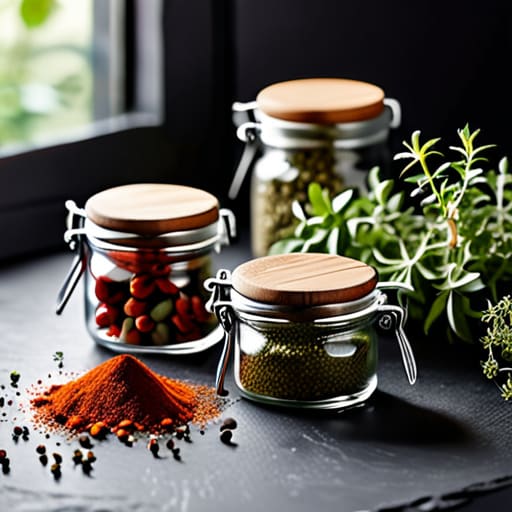
You don’t need a spice rack that looks like a chemist’s laboratory to make decent meals. In fact, a cluttered pantry is just more mental friction you don’t need. I prefer a lean, high-utility setup of essential spice pantry staples that work across almost any cuisine. Start with the basics: kosher salt, freshly cracked black pepper, garlic powder, and smoked paprika. If you have these, you’re already ahead of most people. Add a few dried aromatic herbs and spices—think oregano, thyme, and cumin—and you have a foundation capable of supporting nearly any protein or vegetable you throw in a pan.
The real secret isn’t the quantity of spices you own, but how you use them to build depth. I’m a big proponent of layering seasoning techniques rather than dumping everything in at the final stage. Think of it like a project rollout: you season the meat early to build a base, then adjust at the end to brighten the dish. Most people miss the mark because they forget that seasoning isn’t just about heat; it’s about balancing salt and acid. If a dish tastes “flat” despite having enough salt, it usually needs a squeeze of lemon or a dash of vinegar to wake it up. Keep it simple, keep it functional, and stop buying spices you’ll only use once.
Enhancing Natural Flavors Without the Unnecessary Fluff
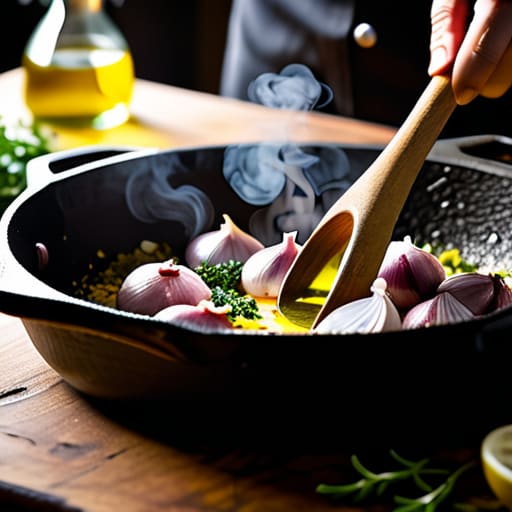
Most people treat seasoning like a final, frantic dusting of salt right before the plate hits the table. That’s a mistake. If you want to actually elevate a dish rather than just masking its flaws, you need to understand layering seasoning techniques. I’ve learned through years of trial and error—and more than a few ruined dinners—that flavor is built in stages. You don’t just season the surface; you season the process. This means adding aromatics early to build a foundation and adjusting the profile as the ingredients cook down.
The real secret to professional-grade results isn’t a cabinet full of expensive powders; it’s the art of balancing salt and acid. If a dish tastes “flat” or heavy, your instinct might be to reach for more salt. Usually, that’s the wrong move. Often, what the food actually needs is a squeeze of lemon or a splash of vinegar to brighten the profile and cut through the fat. It’s about creating equilibrium. Once you master that tension between brightness and depth, you stop following recipes blindly and start cooking with intention. It’s a small shift in mindset, but it’s the most efficient way to make simple ingredients taste intentional.
The Efficiency of Flavor: Five Rules for Better Seasoning
- Season early and often. Don’t wait until the dish is finished to realize it’s bland. Adding salt during the cooking process allows the seasoning to penetrate the core of the ingredients rather than just sitting on the surface.
- Salt is your primary tool, not a suggestion. Most “bland” food is simply under-salted. Learn to taste as you go; if the flavor feels flat, it usually needs a pinch of salt to wake it up.
- Respect the acid balance. If a dish tastes heavy or “muddy” despite being well-salted, don’t reach for more salt—reach for lemon juice or vinegar. Acid cuts through fat and provides a brightness that salt alone can’t achieve.
- Stop using pre-mixed “everything” seasonings for everything. They are often filled with anti-caking agents and excessive sodium. Stick to high-quality individual spices and build your own profiles to maintain control over the outcome.
- Use heat to your advantage. Toasting whole spices in a dry pan for sixty seconds before grinding them releases essential oils that pre-ground powders simply can’t match. It’s a small time investment that yields a massive return on flavor.
The Philosophy of Flavor
“Seasoning isn’t about adding complexity for the sake of it; it’s about removing the barrier between the ingredient and its potential. If you’re spending more time measuring exotic spices than you are enjoying the meal, you’ve missed the point.”
Marcus Holloway
Cutting Through the Kitchen Noise
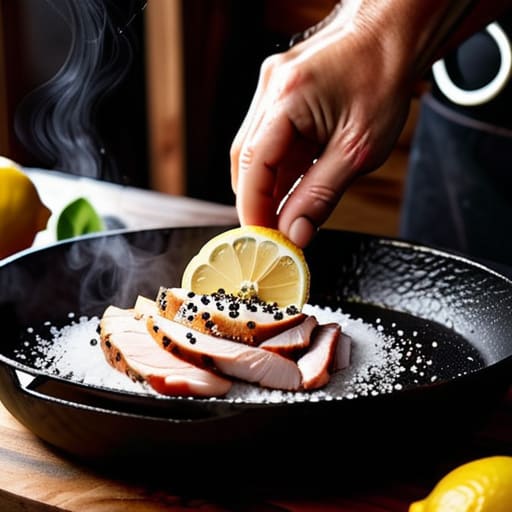
At the end of the day, seasoning isn’t about following a complex manual or buying every overpriced spice blend on the supermarket shelf. It’s about understanding the fundamental mechanics of salt, acid, and heat. If you have your pantry staples organized and you aren’t afraid to taste as you go, you’ve already won half the battle. Don’t get bogged down in the pursuit of culinary perfection or the latest food trends that require twenty different ingredients just to make a chicken breast palatable. Stick to the basics: build your foundation with high-quality salt, use acid to brighten the heavy notes, and keep your process systematic and repeatable.
My goal isn’t to turn you into a professional chef; I want to help you make decent, nourishing food without it becoming another high-friction task on your to-do list. Cooking should serve your life, not consume it. Once you master these core principles, you’ll find that you spend less time worrying about recipes and more time actually enjoying the meal. Stop overcomplicating the process and start trusting your palate. The most efficient way to eat well is to simplify the variables and focus on the quality of what’s on your plate. Now, get in the kitchen and get it done.
Frequently Asked Questions
How do I know if I've added too much salt without ruining the entire dish?
The “tasting test” is your best tool, but don’t just swallow a mouthful. Take a small sip of liquid or a tiny bite, then wait ten seconds. If the salt hits the back of your throat uncomfortably, you’ve crossed the line. To fix it, don’t panic. Dilute the dish with more unsalted base (water, stock, or cream) or add an acid like lemon juice to cut through the brine. It’s about balance, not perfection.
Is there a specific order I should follow when adding spices to prevent them from burning?
Timing is everything. If you throw dried herbs or delicate spices into a screaming-hot pan of oil, you aren’t seasoning your food; you’re creating bitter, charred debris.
Can I use pre-mixed seasoning blends, or is the extra effort of mixing my own worth the time?
Look, I’m a fan of efficiency, but there’s a difference between saving time and sacrificing quality. Pre-mixed blends are fine for a Tuesday night when you’re exhausted, but they often rely on cheap fillers like cornstarch or excessive salt to prevent clumping. If you have ten minutes, mix your own. You control the salt, you control the heat, and you eliminate the friction of mediocre flavor. Use the blends for speed; use your own for results.
How do I adjust the seasoning if a dish ends up tasting flat even after adding salt?
If it’s still flat after salt, you’re likely missing acidity or depth. Salt unlocks flavor, but acid—think a squeeze of lemon or a splash of apple cider vinegar—acts as the conductor that brings everything to the forefront. If that doesn’t work, you need umami. A dash of soy sauce or even a bit of parmesan can provide the structural weight your dish is lacking. Don’t keep dumping salt; change the variables.