I spent two decades in corporate operations, where I learned one universal truth: how you start your morning dictates your entire day’s efficiency. Most people treat breakfast as either a chaotic afterthought or a complex chore that eats up precious mental bandwidth. We’ve been sold this idea that being healthy requires an hour of meal prep and a kitchen full of specialized gadgets, but that’s just unnecessary friction. If you’re constantly hunting for healthy breakfast ideas while your coffee gets cold and your inbox fills up, you aren’t winning; you’re just reacting.
I’ve stripped away the fluff to bring you a streamlined list of eight high-utility options. These aren’t your typical, over-complicated recipes; these are tactical fuel sources designed to get you out the door without sacrificing your nutrition. I’m going to show you how to leverage a few simple, repeatable patterns to automate your morning nutrition. By the time you finish reading this, you’ll have a systematic approach to breakfast that prioritizes both your health and your time. Let’s get to the utility.
Table of Contents
The Overnight Oats Blueprint
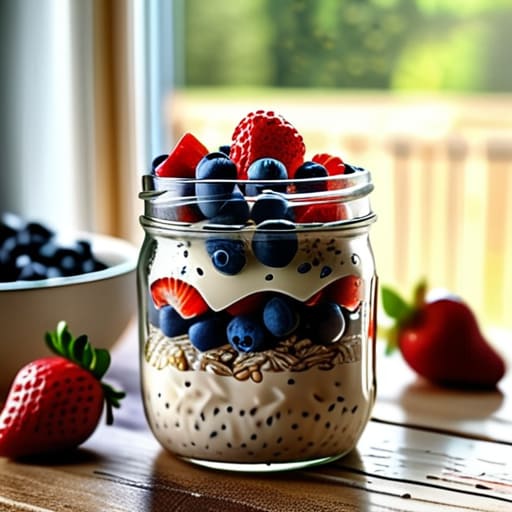
If you’re still standing in front of the stove every morning, you’re losing precious mental bandwidth. I started prepping overnight oats about five years ago, and it’s been a total game-changer for my morning workflow. You just grab a jar, throw in some rolled oats, a splash of milk, and whatever seeds or fruit you have on hand, then let it sit in the fridge overnight. It’s the ultimate low-friction meal because the “cooking” happens while you sleep.
Hard-Boiled Eggs: The Portable Protein

There is something deeply satisfying about a simple, high-protein breakfast that requires zero assembly in the morning. I keep a carton of hard-boiled eggs in my fridge at all times. They are the perfect tactical breakfast for those days when my schedule shifts or I find myself running out the door earlier than planned. You can eat them plain, or slice them over a piece of whole-grain toast if you actually have an extra sixty seconds to spare.
Greek Yogurt and Nut Clusters
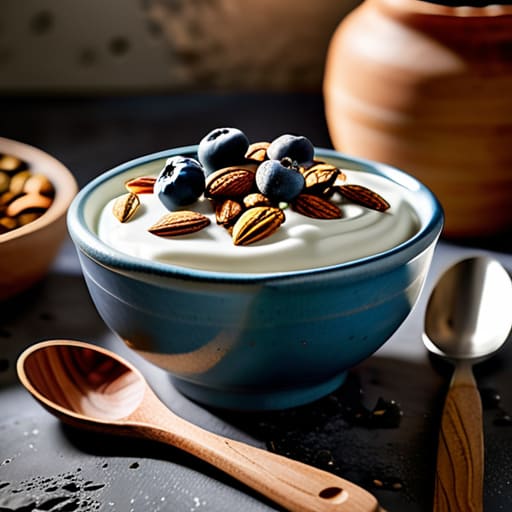
Most people treat yogurt like a dessert, which is a mistake if you’re looking for sustained energy. If you want to avoid the mid-morning crash, you need to prioritize Greek yogurt for its high protein content. I skip the pre-sweetened, fruit-on-the-bottom varieties—they are essentially sugar bombs disguised as health food. Instead, I buy plain, full-fat Greek yogurt and add my own texture with nuts and seeds.
The High-Utility Avocado Toast
I know, it sounds like a cliché, but when you strip away the brunch pretension, avocado toast is actually a very logical breakfast. It provides a solid foundation of healthy fats and complex carbohydrates that keep your blood sugar stable. To make this work for a busy professional, you have to optimize the prep. I keep pre-mashed avocado in the fridge or simply slice a ripe one while my coffee is brewing.
Nut Butter and Fruit on Rye
When I’m traveling or working from a client site, I don’t have access to a full kitchen, which is where this setup shines. A thick slice of rye bread topped with almond or peanut butter and some sliced apple is incredibly reliable. It’s a dense, nutrient-rich combination that is much more satisfying than a processed granola bar.
ITEM_HEADING: The Green Smoothie Protocol
Smoothies often get a bad reputation because people turn them into liquid candy. If you want to use a smoothie as a legitimate breakfast, you need to follow a specific protocol: protein, fat, and fiber. I use a high-speed blender to toss in a handful of spinach, a scoop of protein powder, some flax seeds, and a bit of frozen berries. This ensures you’re getting a concentrated dose of micronutrients without the sugar spike.
Chia Seed Pudding
If you find yourself craving something slightly more substantial but still want to keep things light, chia pudding is your best bet. Similar to overnight oats, this is a set-it-and-forget-it solution. Chia seeds are incredibly efficient; they absorb liquid and expand, providing a massive amount of fiber and Omega-3 fatty acids. I usually mix them with coconut milk and a dash of vanilla for a cleaner profile.
Savory Cottage Cheese Bowls
Most people think of cottage cheese as a bland, diet-food staple, but they’re missing out on a massive opportunity. If you switch from sweet to savory, it becomes a highly versatile base for a quick meal. I like to top mine with sliced cucumbers, cherry tomatoes, and a sprinkle of black pepper. It’s a refreshing and efficient way to get a massive hit of protein first thing in the morning.
The Breakfast Philosophy
A breakfast shouldn’t be another item on your to-do list; it should be the fuel that clears the path for the rest of your day. If it takes more than ten minutes to prepare, you aren’t eating for health—you’re eating for friction.
Marcus Holloway
Cutting the Morning Friction
At the end of the day, the goal isn’t to become a gourmet chef or follow a complex, multi-step wellness ritual that leaves you feeling more exhausted than when you woke up. Whether you’re opting for the grab-and-go efficiency of overnight oats or the high-protein stability of Greek yogurt, the objective remains the same: eliminate decision fatigue. These eight options work because they remove the friction between waking up and actually starting your day. Pick two or three that fit your current workflow, master them, and stop treating your breakfast like a daily crisis that requires intense negotiation.
I’ve spent enough time in corporate boardrooms to know that how you manage your first hour often dictates the trajectory of your entire afternoon. You don’t need a perfect diet; you just need a sustainable system that fuels your brain without draining your mental bandwidth. Automation isn’t just for your software or your finances; it applies to your physical well-being too. Treat your morning nutrition like any other operational process: make it reliable, make it efficient, and then get out of your own way so you can focus on the work that actually moves the needle.
Frequently Asked Questions
How do I prep these options on a Sunday without them tasting like leftovers by Wednesday?
The secret isn’t just prepping; it’s about managing texture and moisture. Never dress a salad or add dressing on Sunday—keep it in a separate container. For oats or chia pudding, add your fresh fruit or nuts right before eating to avoid sogginess. If you’re prepping proteins, undercook them slightly; they’ll finish during the reheat. Treat your fridge like a staging area, not a final destination. Freshness is a matter of assembly, not just storage.
What’s the best way to balance protein and carbs if I’m heading straight into a high-intensity workday?
Don’t overthink the math; focus on the ratio. For high-intensity days, I aim for a 2:1 ratio of complex carbs to lean protein. You need the glucose for brain function, but the protein prevents the mid-morning crash. Think overnight oats with a heavy scoop of Greek yogurt, or sourdough toast topped with eggs. Get your fuel, stabilize your blood sugar, and get to work. Everything else is just noise.
I don't have much kitchen equipment; can I make these using just a toaster or a microwave?
You don’t need a gourmet kitchen to execute a solid plan. Most of these are designed for low friction. If you’re working with just a toaster and a microwave, you’re still in the game. Use the toaster for your sourdough or bagels, and the microwave for your oats or eggs. It’s not about the gear; it’s about the efficiency. Keep it simple, keep it fast, and get on with your day.
How can I scale these recipes for a family without spending an extra hour in the kitchen?
Scaling up doesn’t require more time, just better logistics. Stop cooking individual portions. Use the “Batch and Multiply” method: if a recipe calls for two eggs, use six. Use larger vessels—a heavy cast-iron skillet or a wide sheet pan—to ensure even cooking without extra effort. I always prep my proteins in bulk on Sunday. It’s about increasing the volume, not the complexity. Cook once, eat thrice. Keep it efficient.