I’ve spent most of my career sitting in glass-walled conference rooms, watching talented people burn through their mental energy by mid-afternoon. The culprit usually isn’t the workload; it’s the decision fatigue that sets in when you realize you have nothing prepared for midday. We treat lunch like an afterthought, a chaotic scramble between meetings that leaves us either starving or slumped over a pile of takeout containers. If you want to maintain your focus, you need to stop treating your nutrition like a secondary crisis and start looking for quick lunch ideas that actually serve your schedule rather than sabotaging it.
In this guide, I’m stripping away the culinary fluff to give you eight high-utility options. These aren’t elaborate recipes that require a culinary degree or an hour of prep; they are streamlined systems designed for maximum efficiency and minimal cleanup. I’ll show you how to assemble nutritious, satisfying meals in minutes so you can reclaim your break and get back to the work that actually matters. Let’s cut the noise and get to the utility.
Table of Contents
The Adult Lunchable
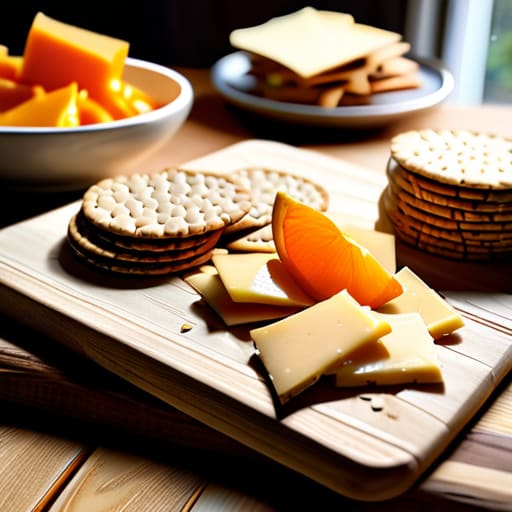
I call this the “no-cook contingency plan.” It’s essentially a curated selection of high-quality charcuterie, but without the pretension of a fancy board. Grab some sharp cheddar, a handful of almonds, some sliced deli turkey, and a few whole-grain crackers. It requires zero heat and almost zero cleanup, which is exactly what you need when your morning meetings run over.
The Mason Jar Salad
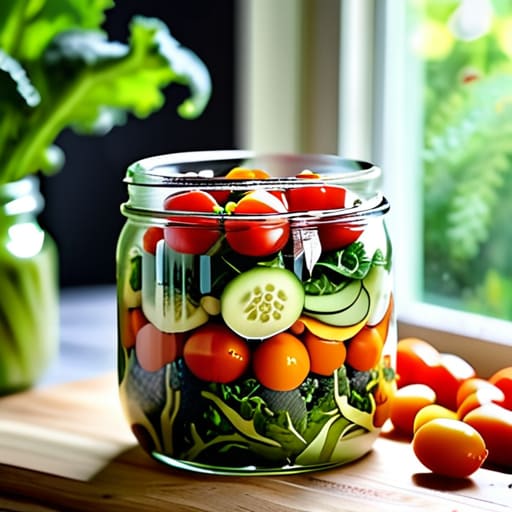
Most people hate salads because they end up as a soggy, wilted mess by noon. If you want to do this right, you have to respect the layering logic. Put your heavy dressings and hearty vegetables—think chickpeas, cucumbers, or carrots—at the very bottom. Your greens go at the very top, far away from the moisture, so they stay crisp and fresh until you’re ready to shake it all up.
The Five-Minute Grain Bowl
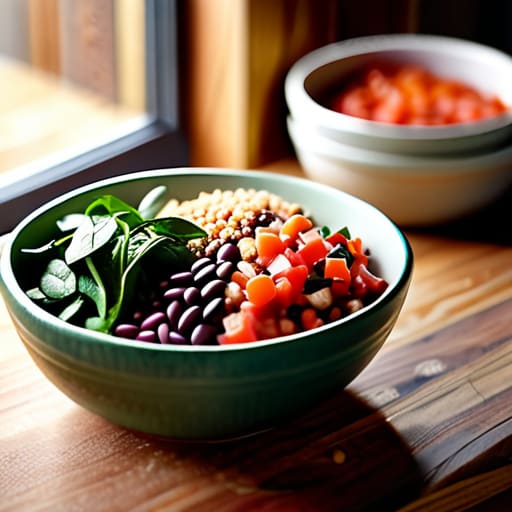
You don’t need to be a chef to master the grain bowl; you just need to be a smart shopper. I keep a stash of pre-cooked, vacuum-sealed quinoa or brown rice in my pantry. Toss a pouch into a bowl, add a handful of baby spinach, some canned black beans, and a dollop of store-bought salsa. It’s minimalist fuel at its finest.
High-Protein Avocado Toast
Let’s be honest: toast is a bit of a cliché, but it works because it’s incredibly efficient. To turn this from a breakfast item into a legitimate lunch, you need to increase the protein profile. Top your sourdough with mashed avocado, but then add a hard-boiled egg or a layer of smoked salmon to give it some substance.
The Mediterranean Wrap
Wraps are the ultimate portable meal for anyone who isn’t tethered to a desk. Use a large whole-wheat tortilla and spread a thick layer of hummus across the surface—this acts as your structural adhesive. Pile on some feta cheese, sliced olives, and pre-washed arugula, then roll it up tight.
Rotisserie Chicken Shortcuts
If you want to eat like a person who actually has time to live, buy a rotisserie chicken every Sunday. It is the most cost-effective hack in the grocery store. Shred the meat while it’s still warm and divide it into containers for the week. You now have a high-quality protein base for almost any quick meal.
The Tuna and White Bean Mash
This is my go-to when I need something that feels “real” but requires no stove or microwave. Mix a can of tuna with a can of rinsed cannellini beans, a splash of olive oil, and some dried oregano. The beans add the complex carbohydrates and fiber that tuna alone lacks, making it a much more stable energy source.
Overnight Oats (The Savory Pivot)
We usually think of oats as a sweet breakfast, but if you’re looking for a quick lunch, the savory route is a game-changer. Prepare your oats with water or broth instead of milk, and skip the cinnamon and honey. Instead, stir in some nutritional yeast, salt, and pepper.
The Cost of Decision Fatigue
“A lunch break shouldn’t be another project on your to-do list. If you’re spending twenty minutes deciding what to eat, you’ve already lost the afternoon. Build a system for your midday meal so your brain can stay focused on the work that actually moves the needle.”
Marcus Holloway
The Bottom Line
At the end of the day, these eight options aren’t about becoming a gourmet chef; they are about eliminating decision fatigue. Whether you’re leaning on the assembly-line simplicity of a grain bowl or the zero-prep utility of a high-quality deli wrap, the goal remains the same: fuel your body without draining your mental battery. By standardizing your midday meal, you stop treating lunch like a problem to be solved and start treating it as a functional reset. Stop letting the question of “what should I eat?” hijack your focus during your most productive hours.
I spent years in the corporate grind watching people burn out because they couldn’t manage the small, friction-filled moments of their day. We often think we need massive lifestyle overhauls to find balance, but real efficiency is found in these small, automated wins. Use these ideas to build a repeatable system that works for you. Once you reclaim that hour from the chaos of meal planning and cleanup, you’ll realize that time is the only currency that actually matters. Now, go get back to what you were actually supposed to be doing.
Frequently Asked Questions
How do I keep these meals from getting soggy if I'm prepping them a day or two in advance?
The secret is structural separation. Never let your dressings or wet ingredients touch your base until you’re ready to eat. I use small, reusable containers for vinaigrettes or sauces and keep them separate from greens or grains. If you’re prepping salads, put the heavy, moisture-resistant items like chickpeas or cucumbers at the bottom and the delicate leaves at the top. It’s a small adjustment that eliminates the mush and saves your lunch.
What’s the most efficient way to shop for these ingredients without spending my entire Sunday in the grocery aisles?
Stop treating grocery shopping like a weekend hobby. If you want your Sunday back, use a digital list app and shop by aisle, not by item. Better yet, batch your orders. Pick one day a week, use a single online grocery service to grab everything on your list, and have it delivered. It costs a few extra dollars, but you’re buying back your time. That’s the real ROI.
Can I adapt these ideas for a limited setup, like if I only have access to a microwave and a kettle at my desk?
Absolutely. In fact, I prefer it. Constraints breed efficiency. If you’re limited to a kettle and a microwave, stop looking for recipes and start looking for components. Think couscous or instant oats for the kettle; pre-cooked grains or frozen veggie medleys for the microwave. It’s about assembly, not cooking. You aren’t running a bistro; you’re fueling a machine. Keep the footprint small, the cleanup zero, and the utility high.
How do I balance these quick options with actual nutritional value so I don't crash by 3:00 PM?
The 3:00 PM crash is almost always a glucose spike followed by a hard landing. To avoid it, stop treating “quick” as an excuse for “empty.” Every meal needs a structural foundation: protein, healthy fats, and fiber. If you’re grabbing a wrap, ensure there’s actual chicken or chickpeas inside, not just flour and sauce. Think of food as fuel for your cognitive bandwidth. If it lacks substance, it’s just a distraction.