I spent two decades in corporate operations, where I learned that the smallest inefficiencies are often the most expensive. We see it in business, and we see it in our kitchens. There is nothing that drains my mental bandwidth faster than standing in front of an open fridge at 6:30 PM, staring at a void, and realizing I have nothing to cook. Most people treat grocery shopping like a weekly chore rather than a strategic deployment of resources. By failing to maintain a set of pantry staples to always have on hand, you aren’t just risking a mediocre meal; you are wasting precious decision-making energy on a problem that should have been solved months ago.
I’m not interested in gourmet hoarding or complex recipes that require a trip to a specialty market. My approach is about building a foundation of utility. In this list, I’m breaking down the eight specific items that will allow you to automate your meal prep and reduce daily friction. These aren’t just ingredients; they are the building blocks of a low-maintenance life. Once you have these in your arsenal, you’ll stop reacting to hunger and start operating with intention. Let’s get to work.
Table of Contents
High-Quality Extra Virgin Olive Oil
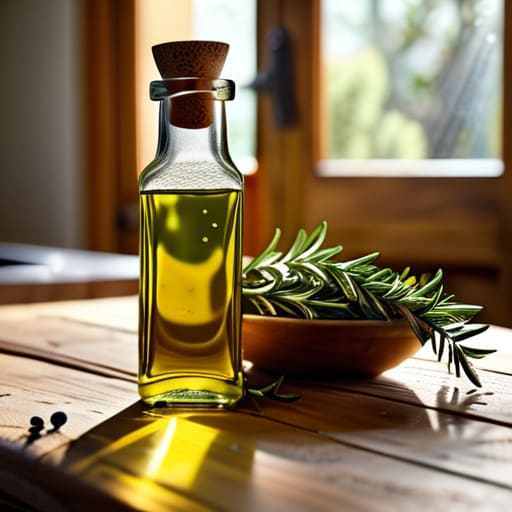
Most people treat oil like an afterthought, but it’s the foundation of almost everything you’ll cook. I don’t care about fancy marketing claims; I care about consistency and flavor. If you have a decent bottle of extra virgin olive oil on hand, you’ve already won half the battle for a quick sauté or a simple salad dressing.
Dried Pasta Varieties
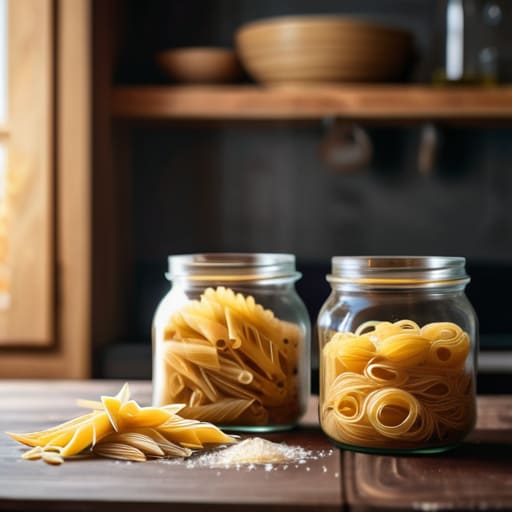
Pasta is the ultimate fallback for a reason. It’s shelf-stable, inexpensive, and remarkably versatile. I keep at least two shapes in my pantry at all times: a long strand like spaghetti for when I want something classic, and a short shape like penne for when I’m feeling a bit more structured.
Kosher Salt and Black Peppercorns
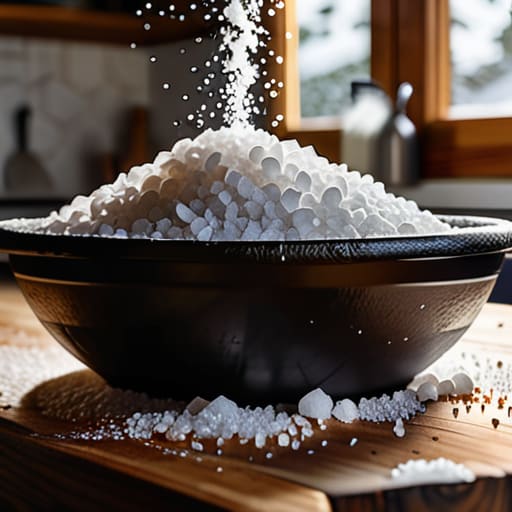
If you’re still using that tiny, flimsy shaker of table salt, we need to talk. A box of kosher salt is a fundamental tool for anyone who wants to cook with precision and speed. The larger grains make it much easier to control how much seasoning you’re actually adding to a pan.
Canned Beans and Legumes
I look at canned beans as a way to automate my protein intake. Whether it’s chickpeas, black beans, or cannellini, these are the building blocks of a quick meal. You can toss them into a salad, simmer them into a soup, or even mash them up for a makeshift spread.
Long-Grain Rice
Rice is the ultimate canvas. It’s a staple because it’s predictable, and in a world of constant variables, predictability is a virtue. A bag of jasmine or basmati rice provides a reliable base for almost any protein or vegetable you might have lying around.
All-Purpose Flour
You might think you don’t need flour if you aren’t a baker, but that’s a mistake. Flour is a structural component in much more than just cakes. It’s what you use to thicken a sauce, create a roux, or coat a piece of protein for a quick pan-fry.
Low-Sodium Chicken or Vegetable Stock
Stock is the “secret sauce” of efficient cooking. Instead of using water to cook your grains or thin out a sauce, using stock adds a layer of depth that makes a massive difference. I always keep a few cartons—or better yet, concentrated bouillon—on hand for this exact reason.
Garlic and Onions
These aren’t just ingredients; they are the aromatic foundation of the modern kitchen. Almost every savory dish starts with the ritual of chopping an onion or mincing some garlic. They have a long enough shelf life to be considered “pantry staples,” even if they live in a cool, dark corner.
The Philosophy of Preparedness
A well-stocked pantry isn’t about hoarding supplies; it’s about buying back your decision-making power. When the basics are already there, you stop reacting to hunger and start managing your time.
Marcus Holloway
The Bottom Line
Building this inventory isn’t about becoming a gourmet chef or hoarding supplies; it’s about eliminating decision fatigue. By keeping these eight essentials—from your grains and oils to your basic aromatics—on hand, you’ve effectively built a safety net for your evening routine. You no longer have to stand in front of an empty fridge at 6:00 PM, wondering if a meal is even possible. This setup transforms your kitchen from a source of stress into a reliable system that works for you, rather than the other way around.
At the end of the day, my goal isn’t to teach you how to cook, but to help you reclaim your mental bandwidth. Every minute you spend scouring the grocery aisles for a single missing ingredient is a minute stolen from your rest, your hobbies, or your family. Treat your pantry like any other operational system: automate the basics so you can focus on the high-value parts of your life. Once you get the foundation right, you’ll find that simplicity is the ultimate efficiency. Now, go close the kitchen and enjoy your evening.
Frequently Asked Questions
How do I know when these items are actually going bad if they aren't refrigerated?
Trust your senses, not just the expiration date. For dry goods, I look for “off” smells—rancid oil scents in nuts or spices are a dead giveaway. If you see tiny webs or clumps in your flour or grains, toss them; that’s pest activity. For canned goods, check the integrity of the seal. If the lid is bulging or dented deeply, don’t risk it. When in doubt, throw it out. It’s not worth the mental clutter.
Is it worth buying in bulk to save money, or does that just lead to more waste?
It depends entirely on your consumption math. If you’re buying a massive bag of flour because it’s 20% cheaper, but half of it ends up in the bin due to pests or expiration, you didn’t save money—you just paid upfront for trash. Buy in bulk only for high-velocity, non-perishable items you use weekly. For everything else, stick to standard sizes. Don’t let “savings” create more mental clutter and waste.
What are the best ways to organize these supplies so I don't buy duplicates?
Don’t rely on your memory; it’s a finite resource. I use a simple “one-in, one-out” rule combined with a single, dedicated clipboard hanging on the pantry door. Every Sunday, I do a quick visual sweep and jot down what’s running low in my notebook. If it’s not on the list, it doesn’t go in the cart. This eliminates the “do we have olive oil?” panic and stops the cycle of buying duplicates.
Are there specific brands I should stick to, or is generic better for these basics?
Don’t get caught in the brand trap. For most of these, generic is your best friend—it’s the same molecular structure for half the price. I usually go store-brand for salt, sugar, and flour; there’s no reason to pay a premium for a logo on a bag of baking soda. However, I do splurge on olive oil and spices. If the quality is low, the dish is ruined, and you’ve wasted your time. Stick to generic for the basics, but don’t skimp on the flavor drivers.