I spent fifteen years watching consultants charge six figures to “optimize” workflows, only to realize most people are applying that same broken logic to their homes. You don’t need a $500 smart oven or a Pinterest-perfect pantry filled with matching glass jars to be efficient; in fact, most of those expensive gadgets are just more friction disguised as progress. I’ve seen far too many people drown in “lifestyle” content that makes cooking feel like a second job. If you’re looking for those superficial, aesthetic-only kitchen tips and tricks that look great in a magazine but fail the moment you’re actually tired and hungry, you’re in the wrong place.
My approach is different. I look at your kitchen through the lens of an operations consultant: I want to identify the bottlenecks, eliminate the wasted movement, and build a system that actually works when you’re running on four hours of sleep. I’m going to share the practical, no-nonsense systems I’ve developed to automate the mundane parts of meal prep and organization. We aren’t here to decorate; we are here to reclaim your time and make sure your kitchen serves you, rather than the other way around.
Table of Contents
Mastering Meal Prep Efficiency Without the Chaos
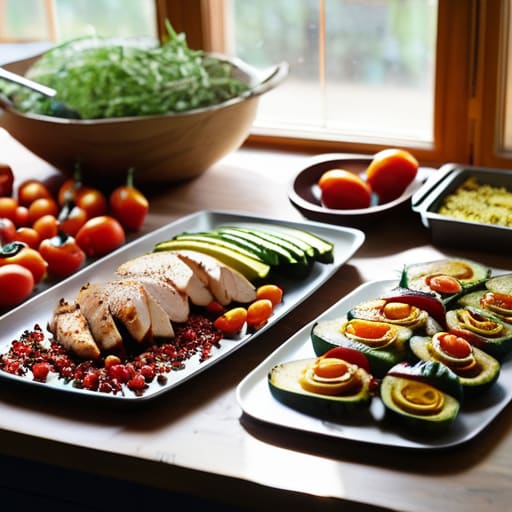
Most people approach meal prep like a chaotic weekend chore rather than a streamlined operational process. They end up standing over a cutting board for two hours, feeling overwhelmed by the sheer volume of ingredients. If you want to achieve true meal prep efficiency, you need to stop thinking about individual recipes and start thinking about components. Instead of cooking five different meals, prep versatile building blocks: a large batch of roasted vegetables, two proteins, and a versatile grain. This modular approach allows you to assemble different combinations throughout the week without feeling like you’re eating the same leftovers every single night.
The second half of the equation is how you manage what you’ve actually prepared. This is where most people fail, leading to a fridge full of mystery containers and a mounting pile of spoiled produce. Invest in high-quality, uniform food storage solutions—think glass containers that actually seal and stack neatly. When everything is visible and organized, you stop buying duplicates and start reducing food waste effectively. It’s about creating a closed-loop system where you know exactly what is on hand, reducing the mental load of deciding “what’s for dinner” when you’re tired after a long day.
Advanced Food Storage Solutions to Protect Your Inventory
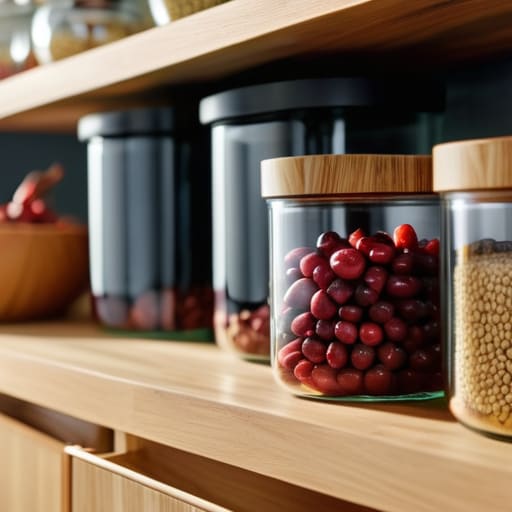
If you’re still relying on mismatched plastic containers and half-rolled grocery bags, you aren’t just being messy—you’re burning money. I view your pantry and fridge as an inventory system, much like any warehouse I’ve audited. To stop the bleeding, you need to invest in uniform, airtight food storage solutions that actually seal. When you can see exactly what you have through clear, stackable glass, you eliminate the mental tax of “guessing” if the spinach is still edible.
Stop treating your leftovers like an afterthought. I’ve found that the most effective way to handle reducing food waste is to implement a “First In, First Out” (FIFO) system, a simple concept from logistics that works perfectly in a home kitchen. Move older items to the front of the shelf and keep the new stuff in the back. It sounds basic, but it removes the friction of decision fatigue when you’re tired after a long workday.
Finally, get serious about your temperature zones. Don’t just shove everything into the fridge and hope for the best. Use dedicated bins for proteins and separate containers for produce to prevent cross-contamination and spoilage. Treat your ingredients with respect, and they’ll reward you by lasting longer and tasting better.
Optimize Your Workflow: Five Tactical Upgrades for Your Kitchen
- Stop the drawer shuffle. Group your tools by frequency of use—keep your most-used knives, tongs, and spatulas in a reachable zone, and move the specialized gadgets you use once a year to the high cabinets or the pantry.
- Master the “Clean as You Go” rule. If you have thirty seconds while the onions sauté or the water boils, wash the cutting board or clear the counter. Never let a mountain of dishes accumulate at the end of a meal; it kills your momentum.
- Standardize your mise en place. Don’t start cooking until every ingredient is chopped, measured, and staged in small bowls. It eliminates the frantic mid-recipe scramble and prevents you from burning the garlic while you’re busy peeling ginger.
- Audit your countertop real estate. If an appliance isn’t sitting out because you use it every single morning, it doesn’t belong on the counter. Clear surfaces reduce mental clutter and make cleaning significantly faster.
- Create a “Command Center” for your grocery logistics. Keep a dedicated spot—a magnetic notepad on the fridge or a specific digital list—where you note depleted supplies the second you notice them. If it isn’t on the list, it doesn’t exist when you’re at the store.
## The Philosophy of Kitchen Utility
“A kitchen shouldn’t be a place where you fight your tools; it should be a well-oiled system that works for you, so you can spend less time prepping and more time actually eating.”
Marcus Holloway
Cutting Through the Kitchen Chaos
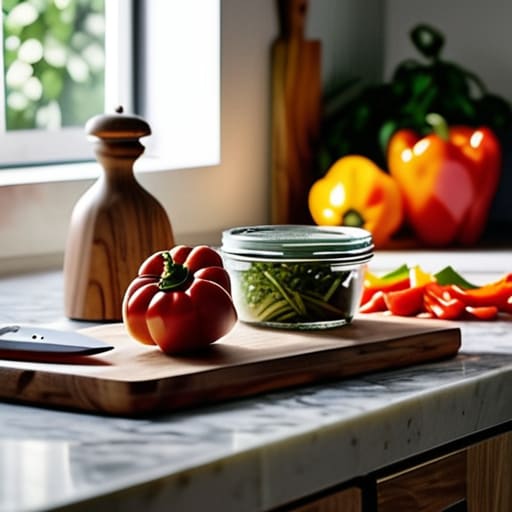
At the end of the day, optimizing your kitchen isn’t about becoming a gourmet chef or buying every expensive gadget on the market. It’s about building a reliable system. We’ve covered how to streamline your meal prep to avoid that mid-week decision fatigue and how to treat your food storage like a professional inventory to stop wasting money on spoiled ingredients. When you apply these principles—organizing your workspace for flow and protecting your resources through smart storage—you aren’t just cooking; you are eliminating unnecessary friction from your daily routine.
My advice is to start small. Don’t try to overhaul your entire pantry and prep schedule in a single afternoon. Pick one friction point—maybe it’s the cluttered spice drawer or the lack of a clear meal plan—and fix it. Once that system runs on autopilot, move to the next. The goal isn’t to spend more time in the kitchen, but to spend less time managing the mess so you can actually enjoy the meal. Automate the mundane, reclaim your evening, and get back to what truly matters.
Frequently Asked Questions
How much time should I actually be spending on meal prep each week to make it worth the effort?
If you’re spending more than two hours a week on prep, your system is broken. You aren’t looking for a hobby; you’re looking for utility. Aim for a single, focused block—ideally 90 minutes on a Sunday—to handle your heavy lifting: chopping, roasting, and portioning. Anything more is just performative productivity. The goal is to minimize daily decision fatigue, not to turn your kitchen into a second full-time job. Keep it lean.
What are the best low-maintenance tools for someone who wants to automate cooking without buying a dozen gadgets?
You don’t need a drawer full of single-use gadgets to win. Focus on high-utility tools that do the heavy lifting for you. A solid Dutch oven handles everything from stews to roasting with zero fuss. An immersion blender turns prep into a thirty-second task, and a reliable digital scale removes the guesswork from scaling recipes. Buy tools that serve multiple functions; if it only does one thing, it’s just more clutter.
How do I organize my pantry so I don't end up overbuying ingredients I already have?
Stop treating your pantry like a junk drawer. To prevent overbuying, you need a visual inventory system. Group like-items together—grains, canned goods, spices—and use clear, airtight containers. If you can’t see the bottom of the jar, you’ve already lost control. I keep a running list in my notebook of my “staple” quantities. Before you hit the store, check the list, not the shelf. If you can’t see it, don’t buy it.
Is it worth investing in high-end containers, or can I get the same results with basic glass jars?
Look, don’t fall for the marketing trap. You don’t need $50 airtight canisters to keep your oats fresh. Plain glass jars—even repurposed ones—work perfectly fine if the seal is tight. The real value in high-end containers isn’t the brand; it’s the modularity and the stackability. If a system allows you to reclaim shelf space and see your inventory at a glance, it’s worth the investment. Otherwise, stick to the basics.